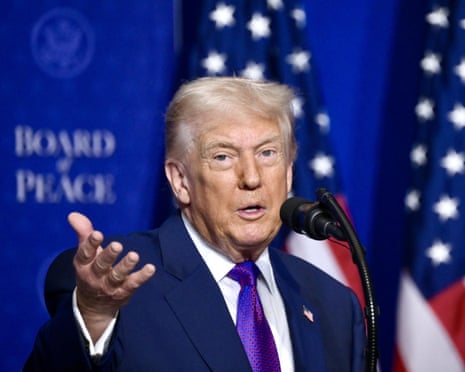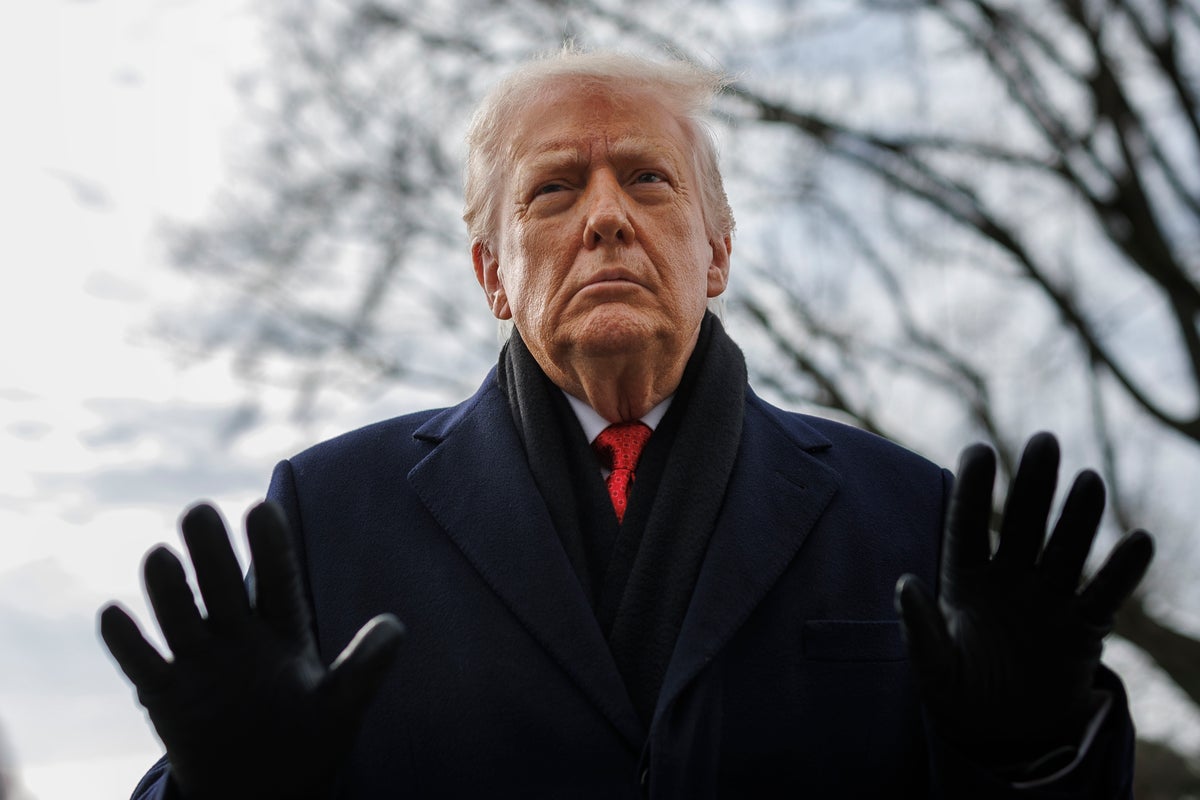
President Donald Trump has declared a set of new tariffs impacting several European nations, including the United Kingdom and Denmark, in response to their resistance against the potential acquisition of Greenland by the United States. In a post on his social media platform, Truth Social, Trump announced that a 10% tariff would be imposed on February 1, 2024, affecting Denmark, Norway, Sweden, France, Germany, the UK, the Netherlands, and Finland.
The tariffs are set to escalate to 25% on June 1, 2024, and will remain in place until an agreement is reached for the US to buy Greenland, a territory currently administered by Denmark. Trump expressed his belief that “World Peace is at stake” regarding the situation, suggesting that China has intentions towards Greenland. He added, “There is not a thing Denmark can do about it,” indicating a strong stance on the matter.
Trump’s comments raise significant questions about international relations and trade policies. The introduction of tariffs represents a shift in trade dynamics, as the affected European countries could respond with their own tariffs or other trade barriers. This development also reflects ongoing tensions between the US and its European allies over territorial and geopolitical interests.
While Trump’s assertion that Greenland is “only protected by two dogsleds” may resonate with some supporters, it underscores a broader narrative he has constructed around national security and economic interests. The implications of these tariffs could be far-reaching, potentially straining trade relations and impacting economies across Europe and beyond.
In light of these developments, European nations may need to reassess their diplomatic strategies towards the US. The situation highlights the complexity of international diplomacy, where economic measures can serve as tools for negotiating territorial disputes. Observers will be closely monitoring how this situation unfolds and whether diplomatic efforts can mitigate the impact of these tariffs.
It remains to be seen how the imposition of these tariffs will affect markets and trade agreements, particularly as Europe navigates its own economic challenges. The coming months will be crucial for understanding the broader implications of Trump’s tariffs on both American and European economies.