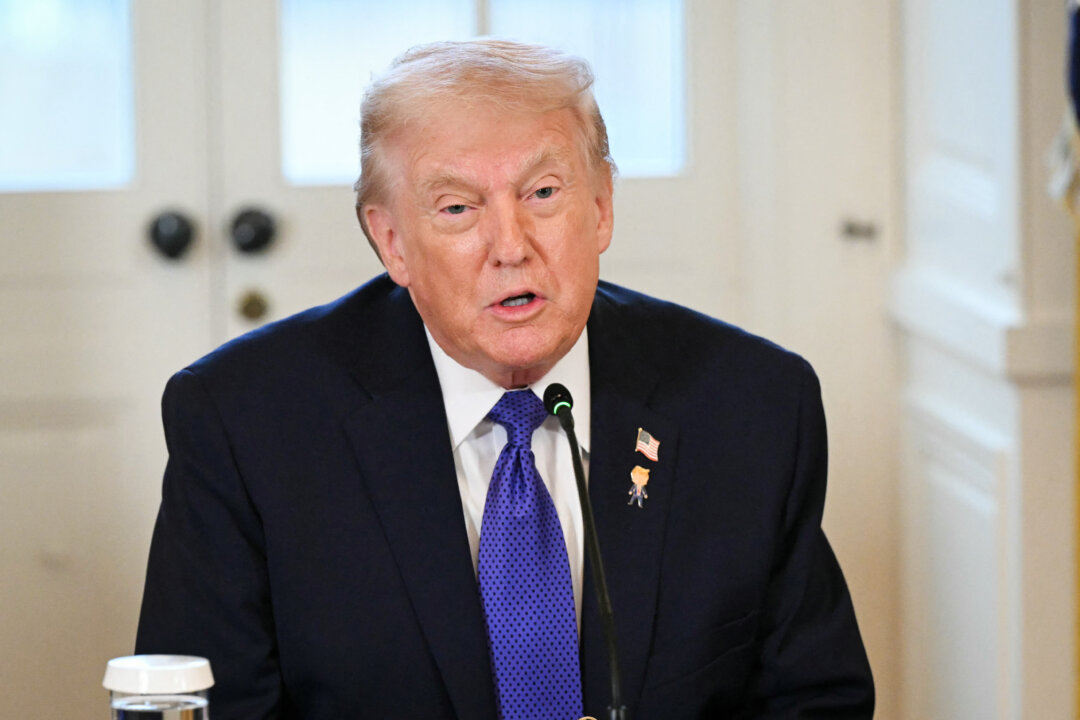
Sir Keir Starmer has declined to retaliate against Iran following a drone strike that targeted the RAF base in Cyprus. The strike, which occurred on March 3, 2024, at RAF Akrotiri, has heightened tensions between the UK and the US, particularly with President Donald Trump, who has expressed disappointment with the Prime Minister’s response.
Starmer ruled out any offensive action in the wake of the drone strike, a decision that has drawn comparisons to wartime leader Winston Churchill, who famously called for immediate action during crises. Instead, Starmer emphasized the need to adhere to international law while allowing US forces to use British military bases for “defensive” operations only.
Starmer’s Response to Iran’s Actions
In response to the escalating situation, Starmer stated, “President Trump has expressed his disagreement with our decision not to get involved in the initial strikes, but it’s my duty to judge what is in Britain’s national interest.” He reiterated that the UK did not participate in the initial strikes against Iran and would not engage in any offensive actions now. Starmer underscored the UK’s commitment to protect its citizens in the region and to support the collective self-defense of allies.
As tensions rise, approximately 300,000 British nationals remain in the Middle East, with many sheltering from what has been described as “indiscriminate” missile attacks by Iran. Over 100,000 individuals have reached out to the British Foreign Office to register their whereabouts as the government scrambles to develop contingency plans.
Criticism and Controversy
The Prime Minister has faced criticism for the lack of a clear rescue strategy for British citizens trapped in the region. Instead of outlining a concrete plan, Starmer has advised individuals to monitor travel advice. The situation has led to the cancellation of hundreds of flights, leaving many uncertain about when they might be able to return home.
US Defense Secretary Pete Hegseth has also weighed in on the matter, criticizing what he termed “pearl-clutching” from allied nations regarding military actions against Iran. This sentiment reflects the growing frustration among some US officials about the UK’s cautious stance.
As the conflict escalates, the government faces mounting pressure to act decisively while balancing international obligations and national interests. The situation continues to develop, and further responses from both the UK and the US are anticipated in the coming days.