The Government of Montenegro has updated its official register of religious communities, revealing the addition of six new entities. Currently, the country recognizes a total of 28 religious communities, including 20 listed as recorded and eight as registered.
The latest update, announced on January 1, 2023, indicates that the structure of the recorded religious communities remains unchanged from the previous year. The registered communities, however, have expanded due to the inclusion of new entities that have recently been established.
Overview of Religious Communities in Montenegro
In the recorded category, which includes communities with legal personality, several prominent groups are listed. Among them are the Jehovah’s Witnesses, the Montenegrin Orthodox Church, and the Islamic Community in Montenegro. Other notable organizations include various Catholic dioceses and the Bahá’í Faith. These groups have primarily gained their legal status under the Law on the Legal Status of Religious Communities enacted in 1977.
The registered communities have seen a significant increase. In addition to the previously recorded Evangelical Church Crossroads and the Jewish Community, the new entries include the Salesian Community of Podgorica, the Buddhist Community in Montenegro, and the Archdiocese of Kotor-Primorje. This expansion reflects the growing diversity of religious practices within the country.
Legal Implications of Registration
Being recorded in this official register provides a religious community with legal recognition, which enables it to own property, enter into contracts, employ staff, and appear before courts and governmental bodies. Communities that have not been registered can still operate, but they lack these essential rights.
The 2020 Law on Freedom of Religion introduced a structured approach to the registration and recognition of religious communities, clearly delineating existing entities from newly formed ones. This law aimed to streamline the process and address long-standing concerns regarding the legal status of various groups.
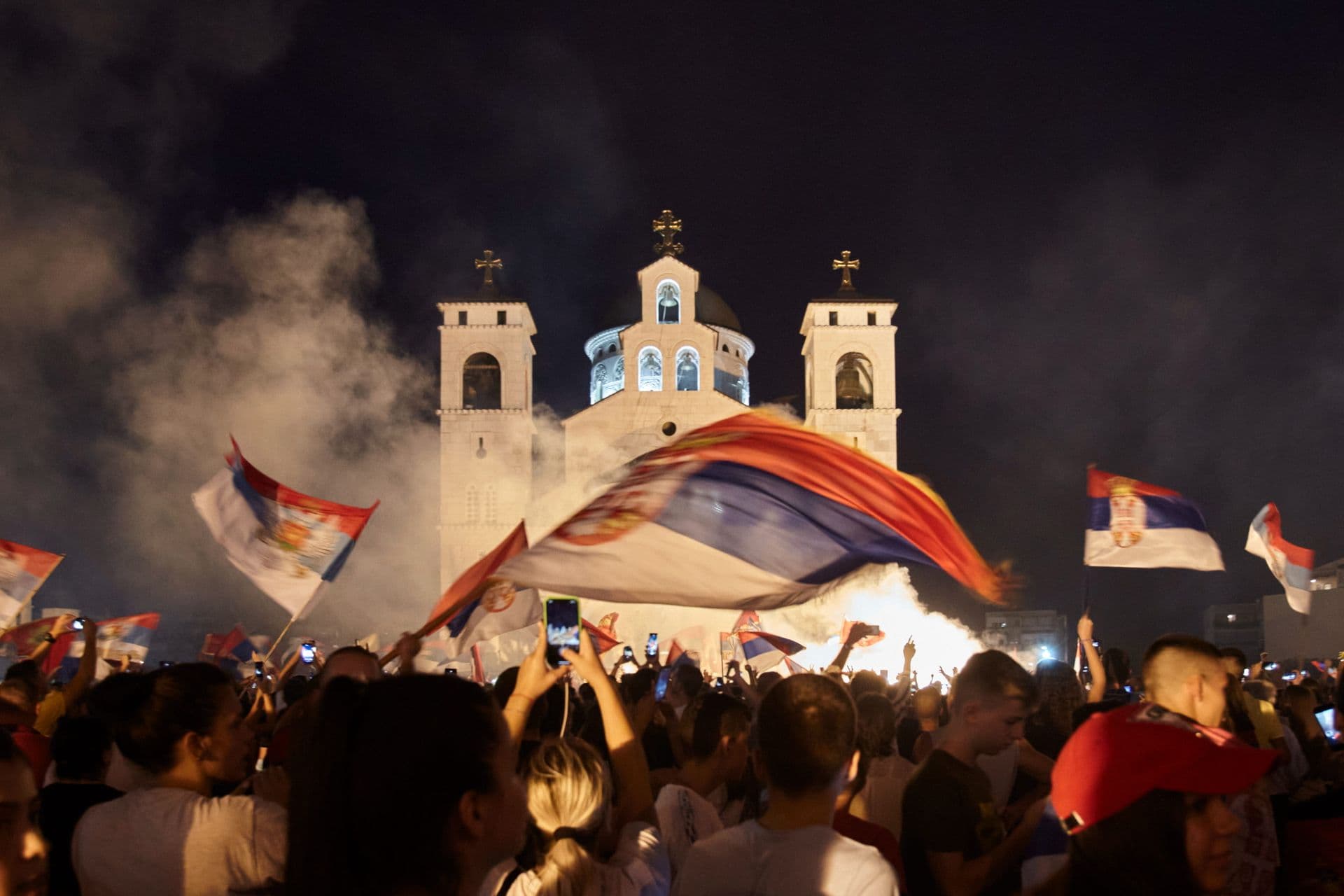
The issue of registration has been contentious, particularly among certain religious communities, such as the Serbian Orthodox Church. This group has raised concerns that the requirement for registration undermines their historical continuity and legal standing. The government has maintained that the process is not a “re-registration” but rather an administrative measure to document existing communities.
Following five years since the law’s implementation, recent data indicates that the system has operated without the deletion of established communities while gradually increasing the number of newly founded ones. This reflects a commitment to promoting religious diversity and ensuring that all communities can function within the legal framework of Montenegro.