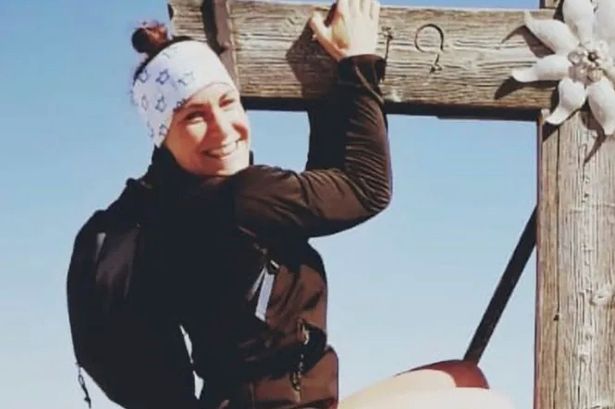
A former prison governor has provided a disturbing account of Rosemary West’s reaction to the news of her husband Fred West’s suicide while incarcerated. Vanessa Farke-Harris, who oversaw West at HM Prison Holloway, described her as a “manipulative psychopath” devoid of emotion in the wake of her husband’s death.
Farke-Harris, responsible for the segregation unit (SEG) at Holloway, recalled her time supervising West during a recent episode of the Daily Heretic podcast. “I looked after Rose for about three or four months,” she stated, highlighting West’s presence at the prison while she awaited trial at Winchester Crown Court for the murder of ten young women and girls, including her daughter Heather and stepdaughter Charmaine.
Fred West, who faced multiple charges of murder, took his own life in January 1995 at HM Prison Birmingham, shortly before his trial. The couple had been arrested in February 1994 during an investigation into Heather’s disappearance, and they were accused of killing twelve people over more than two decades. When sentencing Rosemary West, Mr Justice Mantell warned, “If attention is paid to what I think, you will never be released.”
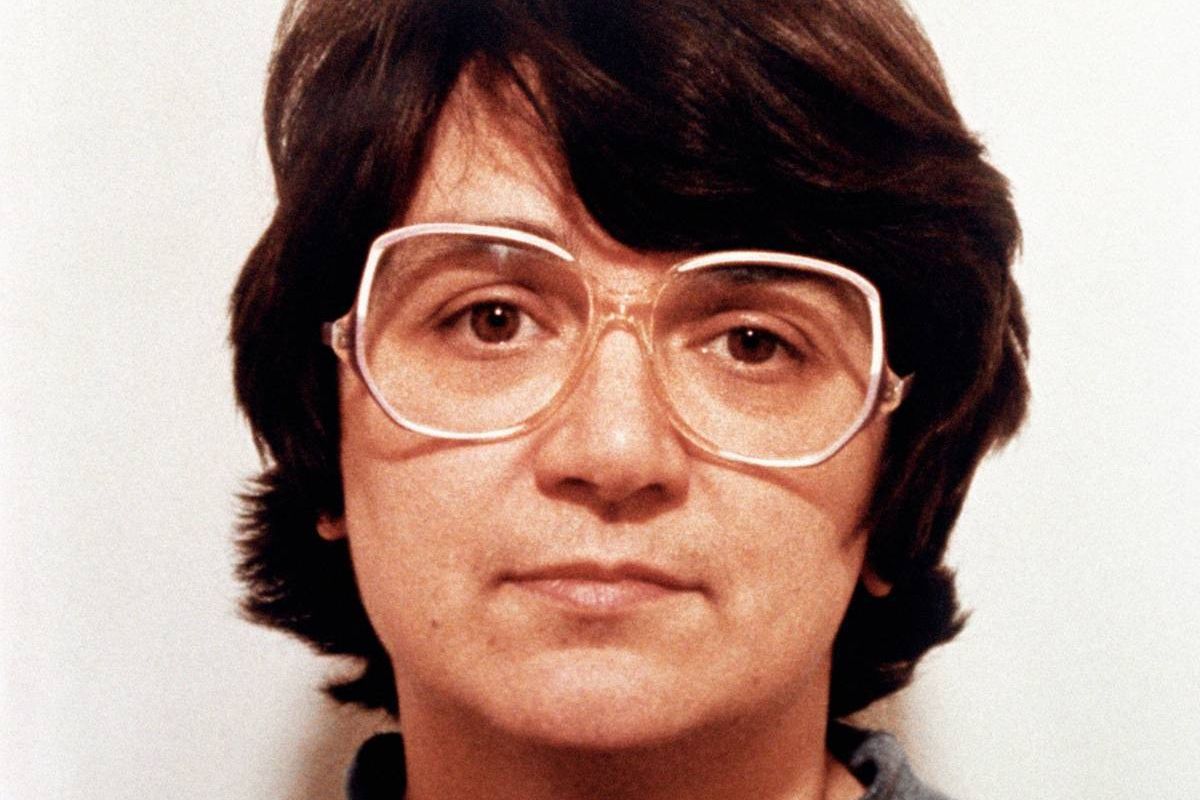
During her time in custody, Farke-Harris described West’s demeanor as deceptively ordinary. “We used to call her Auntie Rose because she just looked like somebody’s auntie,” she noted. Despite her unassuming appearance, which included wearing thick glasses and knitting frequently, Farke-Harris suggested a much darker personality lay beneath the surface. She emphasized that West exhibited “no emotion whatsoever” during their interactions.
Farke-Harris recounted the moment she and a duty governor informed West of Fred’s suicide. “We opened the door, and the governor said, ‘I’m really sorry, Rose, to tell you that your husband Fred has taken his own life.’ Not a flicker. Not a flicker of emotion,” she recalled. In fact, Farke-Harris described a glimmer in West’s eye that hinted at a disturbing sense of relief, as if she thought, “Well, they can’t pin it all on me now, can they?”
When asked if she was alright, West’s response was calm and collected: “No. No, I’m fine. Thank you.” Farke-Harris noted that there were no visible signs of grief, shock, or distress, which she characterized as typical of a psychopath.
The Wests’ crimes sent shockwaves throughout the UK. Investigations at their home, located at 25 Cromwell Street, uncovered the remains of nine girls buried on the property, earning it the grim nickname “house of horror.” Prosecutors revealed harrowing evidence of prolonged sexual abuse, torture, and dismemberment perpetrated over many years. Fred West has been described as the “epitome of evil,” targeting vulnerable girls and women to fulfill sadistic desires. Together, the couple was accused of raping, torturing, and killing an unknown number of victims.
The chilling account provided by Farke-Harris serves as a stark reminder of the complexities of criminal psychology, particularly in cases involving notorious figures like the Wests.