The ongoing efforts to reform Montenegro’s electoral system have hit a significant roadblock following the failure of the second public competition to appoint a president and members of the Central Election Commission (CIK). This setback arises from the fact that none of the candidates for the president position met the required criteria, prompting the commission to announce a new public call for applications.
The CIK, overseen by Bojan Bozović, who serves as the Minister of Justice, is tasked with ensuring fair elections in Montenegro. Despite the commission’s clarification that some candidates did meet the requirements for membership, it is unable to proceed with the selection process without a proposed president. Consequently, the commission decided to initiate a third public competition to fill these crucial roles.
Political Implications of the Setback
In a statement to the media, Nikoleta Đukanović, a professor at the University of Donja Gorica, emphasized that the failure of the competition cannot be attributed solely to formal legal requirements. She pointed out that the pool of legal professionals with expertise in electoral and party systems in Montenegro is relatively small. This limitation constrains the number of potential candidates who not only meet strict formal criteria but also possess a deep understanding of electoral processes.
While expressing confidence in the integrity of the commission’s members, Đukanović noted the inherent political dimensions involved in electing CIK members. She stressed that attempts by political entities to influence the selection of “preferred” or predictable candidates persist, despite legal limitations. This underlying politicization may deter qualified and independent individuals from applying for these positions.
Furthermore, she highlighted broader political contexts, suggesting that some political actors currently have little incentive to engage in the electoral cycle. This creates an impression that the legal conditions are structured to formally depoliticize the process while effectively prolonging and obstructing it.
The complexity of this situation is compounded by what Đukanović describes as a problematic normative framework. She advocates that any amendments to the law should be accompanied by a clear political will to treat the CIK as an independent institution rather than as another arena for political competition. Without such commitment, even the most effective solutions may ultimately become ineffective.
Future Prospects for CIK
In response to inquiries about the reasons behind the failed competition, Nikola Rakočević, a member of the Democratic Party of Socialists (DPS) and co-chair of the Comprehensive Electoral Reform Committee, acknowledged the high standards outlined in the law for candidates. He expressed that while some applicants may not meet these stringent criteria for the CIK presidency, it does not imply that they lack qualifications for membership.
Rakočević stated that the third public call for applications will adhere strictly to professional and legal standards, aiming to select a depoliticized and qualified commission. He remains optimistic about the potential for attracting a greater number of high-quality candidates in this upcoming round.
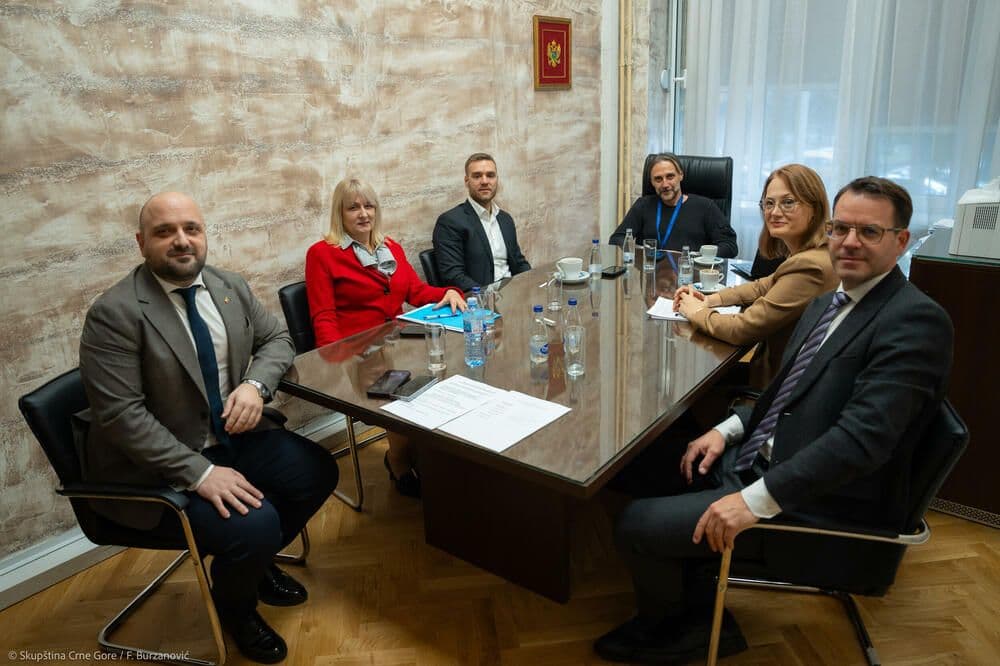
The CIK’s decision to repeat the public competition follows a meeting held on February 10, 2024. The commission noted that the absence of a suitable candidate for the presidency rendered the evaluation of candidates for membership irrelevant. Therefore, it unanimously decided to announce a new public competition and will formally notify the Administrative Committee of this decision.
The commission has encouraged all eligible individuals to apply for the renewed call, aiming to enhance the competitiveness of the selection process. They believe that their commitment to transparency and adherence to legal procedures will serve as a strong incentive for candidates who may have previously hesitated to participate in similar elections.
As Montenegro seeks to navigate these challenges, the outcome of the third competition will likely play a pivotal role in shaping the future of its electoral integrity.