The UK retail landscape faced a significant downturn in 2025, with over 3,000 stores closing their doors permanently. According to the Centre for Retail Research, a total of 54 retailers went bust this year, leading to the loss of 30,153 jobs. This wave of closures highlights a broader trend of declining high street footfall and sluggish retail sales, remaining 3.3% below pre-pandemic levels, as reported by the House of Commons.
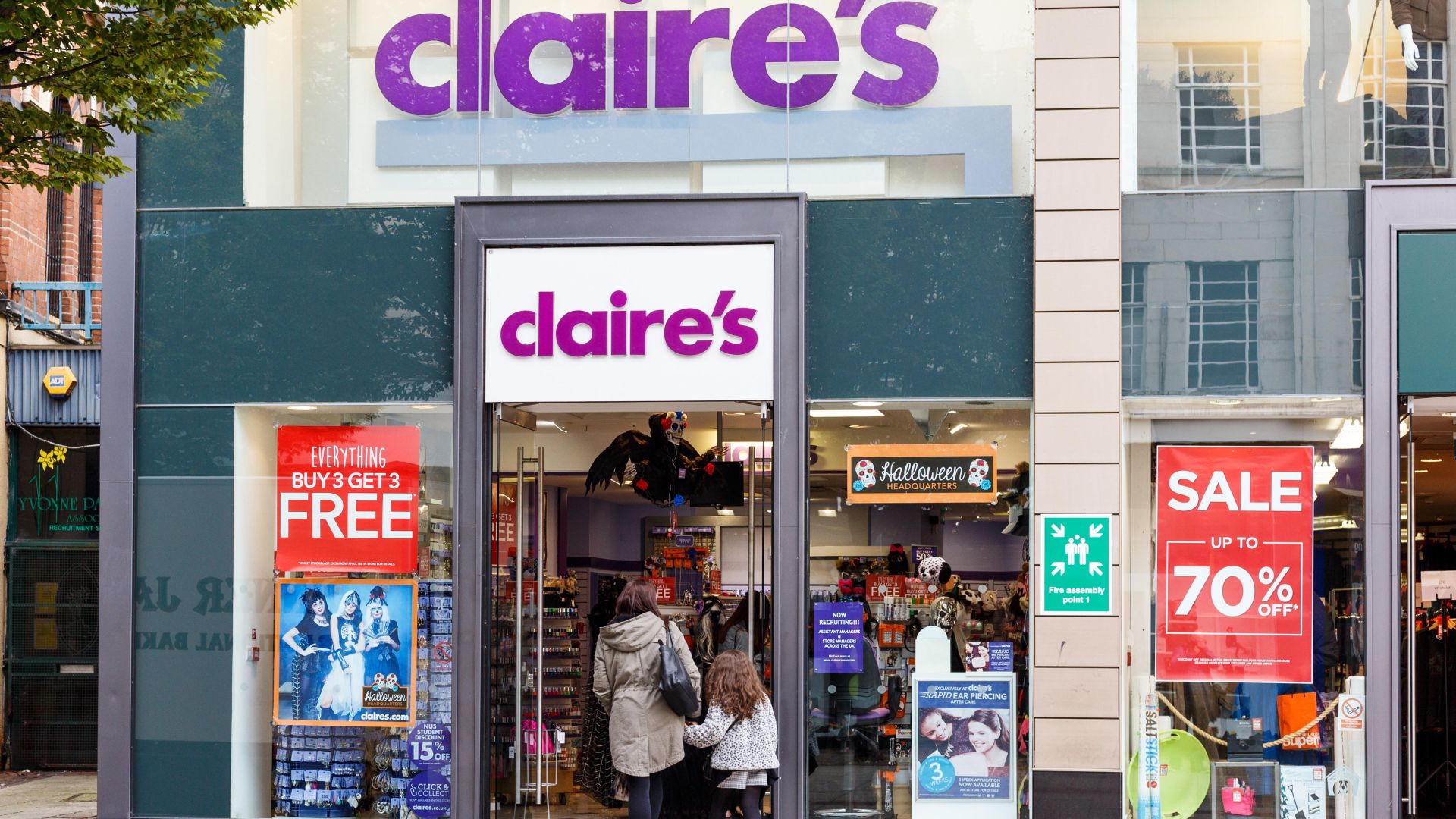
Several well-known brands have succumbed to the pressures of a changing market. Among the casualties is Claire’s, the jewellery and piercing retailer, which entered US bankruptcy in August. The company cited increased competition and changing consumer habits as key factors. Although Modella Capital acquired 156 of its stores, this resulted in the closure of 145 locations, affecting over 1,000 employees.
Another iconic brand, WH Smith, announced in March that it would exit the high street. The newsagent, which has a rich history dating back to the Victorian era, agreed to sell around 500 stores to Modella Capital. This resulted in 20 closures across the UK, leaving 464 remaining stores to be rebranded as TG Jones.
Fashion retailer Quiz Clothing also faced challenges, entering administration at the start of the year. The immediate closure of 23 stores led to 191 job losses. However, the brand experienced a turnaround, achieving a 14% rise in like-for-like revenues between July and August. In October, it announced plans to open up to 10 new stores in the coming year.
The beauty chain Bodycare closed 32 stores and cut 250 jobs after going into administration in September. The retailer, which started as a market stall in the 1970s, had struggled with rising costs and declining consumer spending. Fortunately, an investment group led by Charles Denton, the former CEO of The Body Shop, intervened, announcing plans to relaunch between 30 and 50 stores in the first half of next year.
High street fashion giant Select Fashion declared bankruptcy in April, closing 35 outlets before the announcement. Employees were informed of the company’s financial troubles, including a delay in wage payments. This marked the end of Select Fashion Ltd, which had previously entered into a Company Voluntary Arrangement to manage its debts.
The troubles extended to other retailers as well. New Look initiated a strategic review in August, leading to the closure of 41 stores. Despite the challenges, the chain retains 338 stores across the country. River Island announced plans to shut 33 stores as part of a restructuring effort, facing similar challenges of soaring debt and a shift towards online shopping.
Discount retailer Poundland narrowly avoided collapse after a last-minute turnaround plan. New owners, Gordon Brothers, acquired the chain for £1 in June, committing to invest £90 million to secure its future. This plan included the closure of 68 shops and the loss of 1,000 jobs.
Even food and beverage chains felt the strain, with Starbucks closing 10 locations in October as part of a broader overhaul. Similarly, Scottish brewery Brewdog shut down 10 sites in July, jeopardizing nearly 100 jobs. Meanwhile, Leon planned to close around 20 restaurants after falling into administration, while Pizza Hut confirmed the closure of 68 restaurants in October, affecting over 1,200 employees.
These closures reflect ongoing challenges faced by the retail sector in the UK, including shifts in consumer behavior and economic pressures. The high street continues to evolve, leaving many traditional brands to adapt or face extinction in an increasingly competitive environment.