Tensions in the Middle East have reached a critical point as the United States and the United Kingdom begin evacuating thousands of personnel from military bases in the region. This decision comes in anticipation of potential military strikes against Iran, particularly following threats made by U.S. President Donald Trump regarding the Iranian government’s treatment of protesters.
The situation escalated after reports indicated that Iran planned to execute individuals involved in widespread anti-government protests. In response, both nations have heightened their military readiness. Notably, air raid sirens were tested at the al-Udeid Air Base in Qatar, which serves as a key facility for U.S. and British forces. Essential personnel have been relocated to fortified areas within the base to ensure their safety.
March 15, 2024 marked a significant turning point when the UK government decided to withdraw its diplomats from Iran, citing security concerns. A spokesperson confirmed the temporary closure of the British Embassy in Tehran, stating, “This will now operate remotely.” The Foreign Office has also updated its travel advice to reflect the new consular situation.
Israeli military forces are on heightened alert, fearing that they could be targeted by Iranian retaliation should the U.S. proceed with strikes. According to an unnamed source, “Israel has adjusted its defensive posture as it is believed an American strike on Iran is now very possible.” This anticipation of conflict has led to a broader regional security assessment, with intelligence agencies preparing for potential Iranian responses.
Non-essential American personnel at bases in Iraq are also being moved as a precaution against possible attacks by pro-Iranian militias. U.S. military assets, including a potential aircraft carrier strike group, are being positioned in the region to facilitate a rapid response if necessary.
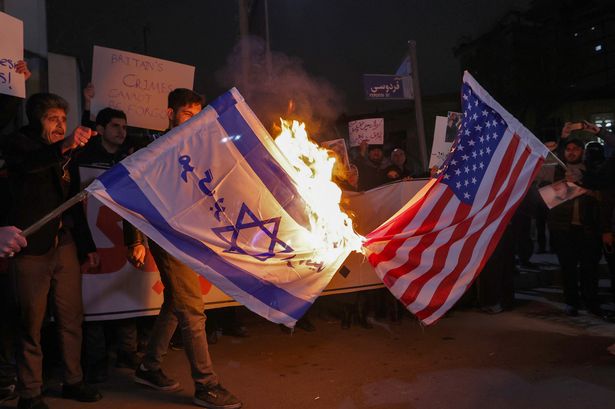
The backdrop to these developments is the violent crackdown by Iranian authorities on protesters, which has resulted in numerous casualties. The Human Rights Activists News Agency reports that at least 2,586 individuals have been killed during the recent unrest, marking one of the deadliest periods of civil dissent in Iran in decades. Families have been mourning the loss of loved ones, with mass funerals drawing tens of thousands of attendees.
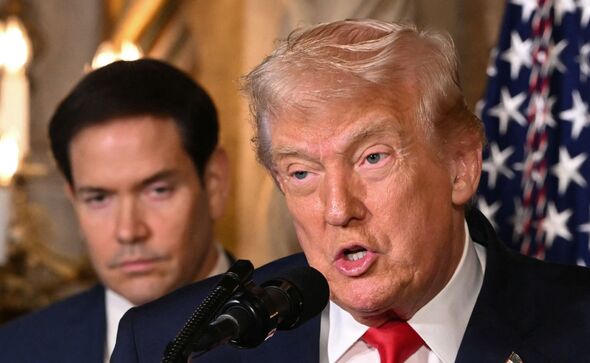
Trump’s recent statements reflect both caution and a readiness to act. He claimed to have received assurances that executions would not proceed, stating, “We have been notified and pretty strongly… we’ve been told that the killing in Iran is stopping.” Nonetheless, he emphasized that the U.S. would respond decisively if Iran continues down its current path.
As the crisis unfolds, the Iranian government has indicated that it may pursue preemptive measures against perceived threats. U.S. officials have noted that plans are in place to minimize civilian casualties in any military engagement, with potential targets including facilities associated with the Islamic Revolutionary Guard Corps and other military assets.
In Iran, the atmosphere remains tense. Reports indicate that security forces continue to patrol neighborhoods, instilling fear among the populace. One mother, reflecting the anxiety felt by many, stated, “We are very frightened because of these sounds (of gunfire) and protests. Now peace has been restored but schools are closed and I’m scared to send my children to school again.”
The international community is closely watching as the situation develops, with calls for restraint on all sides. The stakes are high, and the potential for further escalation looms large as diplomatic channels remain strained.