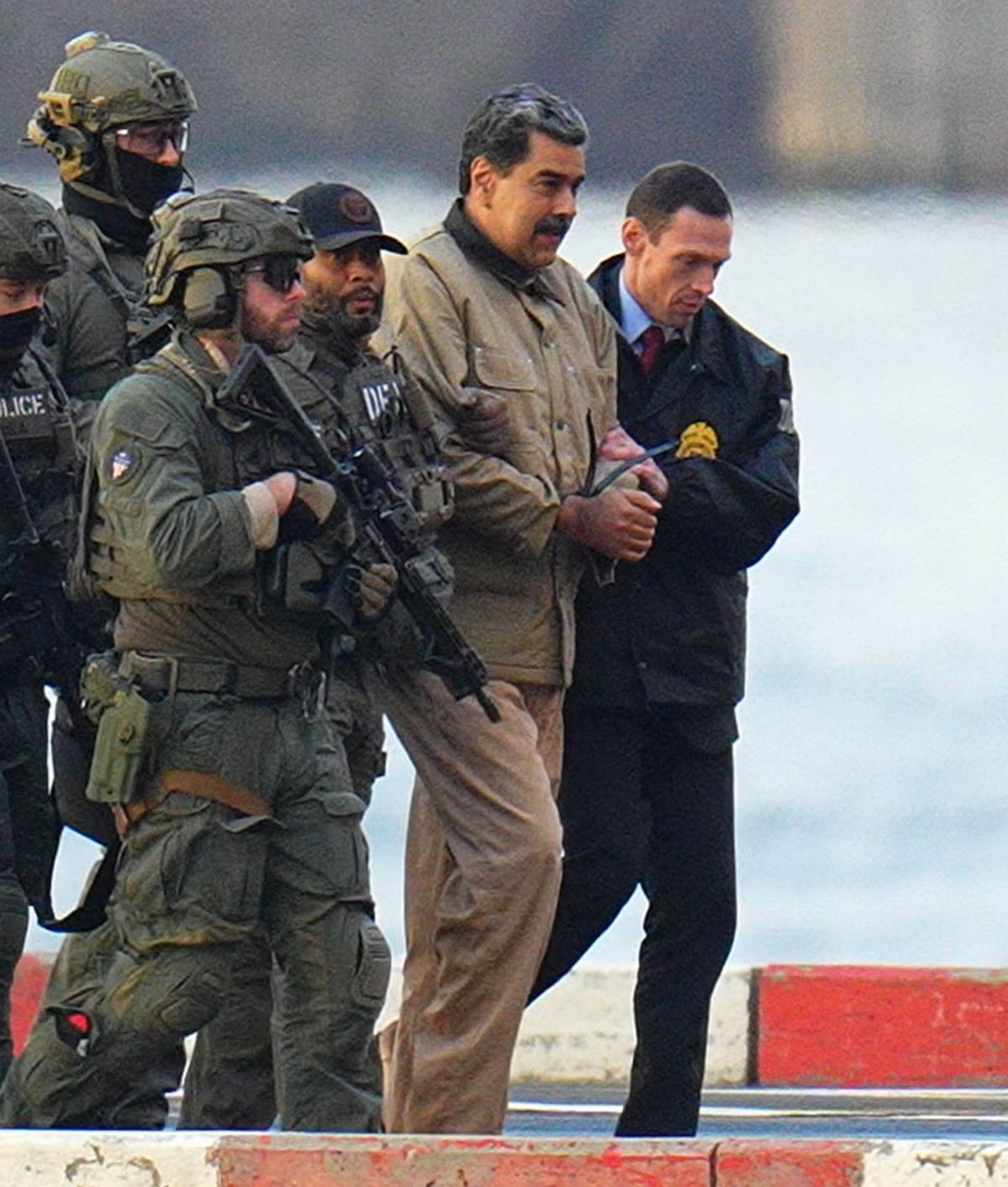
Nicolás Maduro, the former president of Venezuela, was apprehended by US forces and presented before the cameras at the New York offices of the US Drug Enforcement Agency over the weekend. Despite the gravity of his situation, Maduro appeared confident, greeting journalists with a “good night” and “happy New Year.” This display of self-assuredness evokes memories of his earlier years in power and raises questions about his resilience amid considerable challenges.
From Foreign Minister to Most Wanted
Maduro’s political trajectory began in February 2007, when he served as Venezuela’s foreign minister. His rise was closely linked to his association with Hugo Chávez, whom he met while visiting a prison in 1993. At that time, Chávez was a failed coup leader, yet his ambitious vision for a Bolivarian socialist revolution captivated Maduro. He later recounted that the encounter left him feeling “levitating” and filled with purpose.
When I first met Maduro in 2007, he was overshadowed by Chávez’s charisma. Back then, it was hard to envision that he would later be on the US’s “Most Wanted” list for accusations of narco-terrorism. Our interview almost did not happen due to his tardiness. After waiting for hours, he finally arrived at the ministry, confident but without an apology for the delay.
During our conversation, Maduro spoke passionately about Venezuela’s potential, promising wealth distribution and stability through social programs. His vision, though seemingly grand, felt like “elegantly expressed nonsense.” He seemed pleased to have captured the attention of a US film crew, though he nearly missed the opportunity.
Facing Legal Challenges and Future Prospects
Today, Maduro faces unprecedented challenges. Following his recent arrest, he reportedly rejected an offer from Donald Trump to secure asylum in Turkey. His defiance was evident as he navigated the streets of Caracas for a television interview shortly before his capture, with his wife, Cilia Flores, appearing alongside him.
Now in custody, Maduro plans to argue that his arrest was illegal, suggesting that he was extrajudicially taken from Venezuelan soil. This claim may resonate, particularly as the Trump administration has struggled to justify the operation. Alternatively, Maduro might leverage his extensive knowledge of covert US operations in Latin America to negotiate a plea bargain, potentially avoiding harsher penalties.
In a striking image following his arrest, Maduro was seen handcuffed but displaying a thumbs-up and a sly smile, defying the seriousness of his circumstances. This behavior reflects a pattern established during our previous encounter; Maduro often pushes boundaries, even when the risks are significant.
As he faces a new chapter in his turbulent political career, Maduro’s self-belief remains unshaken, even in the face of international scrutiny. The outcome of his legal battles could shape not only his future but also the political landscape of Venezuela and its relations with the United States.