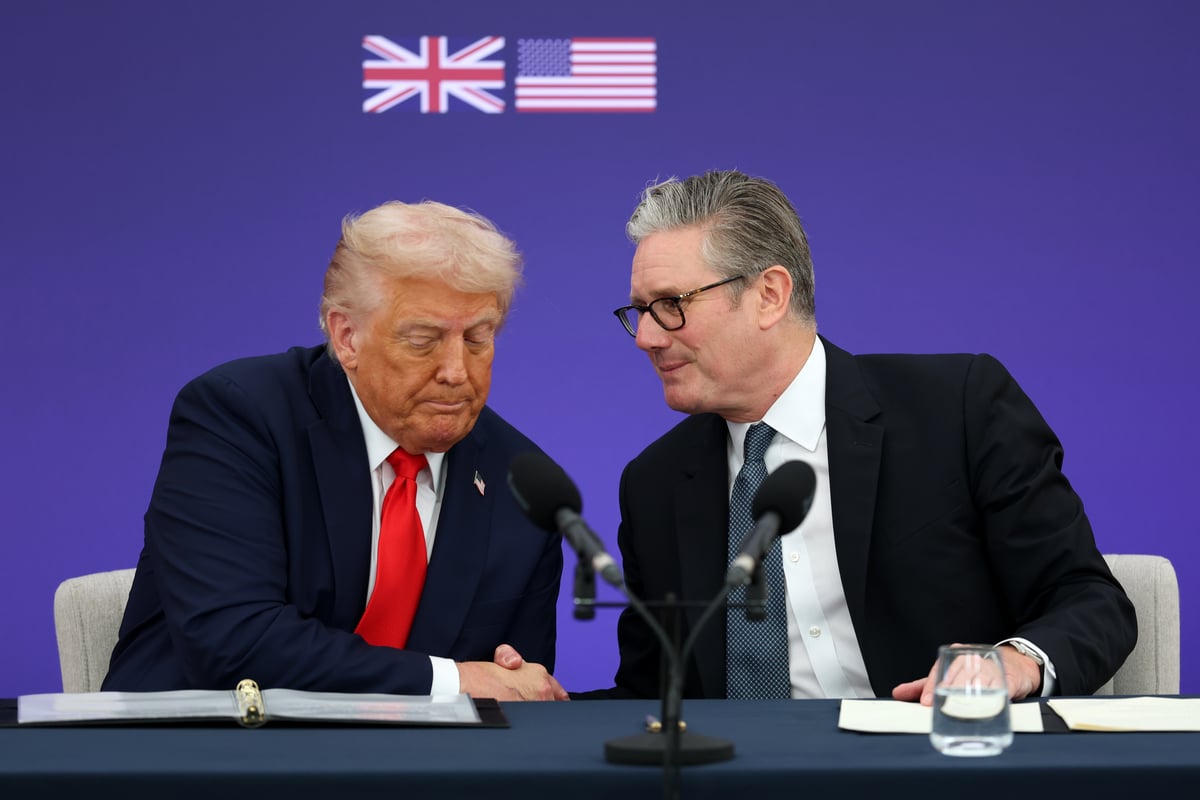
Keir Starmer is garnering attention for his diplomatic approach amid a tumultuous political landscape in the United Kingdom. Despite being one of the least popular leaders in modern British history, he has received commendations, even from political adversaries, for his management of international relations, particularly concerning Donald Trump and his controversial policies.
Starmer’s Response to Tariffs and Military Action
Starmer faced criticism when Donald Trump implemented tariffs labelled as a ‘liberation day’ measure. His response has been characterized as measured and diplomatic, aiming to mitigate fallout and maintain amicable relations with Washington. Starmer’s approach has drawn praise for its effectiveness, particularly as it contrasts sharply with the domestic challenges his government faces, including economic stagnation and rising living costs.
In a notable incident, tensions arose when Starmer declined to allow US warplanes to operate from British bases for a potential attack on Iran. Trump reacted negatively, stating, “This is not Winston Churchill that we’re dealing with.” Despite this, Starmer’s decision has been supported by military officials, including former NATO Deputy Supreme Allied Commander Richard Shirreff, who emphasized the importance of prioritizing British national interests. He stated, “Britain has to do what is right for Britain.”
Strategic Military Decisions
Starmer’s choices regarding military involvement have also sparked discussion. His subsequent decision to allow British bases to be utilized against missile threats from Iran aimed at various Gulf countries, including Saudi Arabia and the United Arab Emirates, reflects a commitment to regional stability. This move aligns with his broader strategy of reinforcing the UK’s role in international security while navigating complex relationships.
Despite the friction over military strategies, Starmer maintains that the Special Relationship between the UK and the US remains robust. Although Trump’s brash remarks regarding military action concerning Greenland raised eyebrows, it appears they were more a display of bravado than a serious policy threat. Starmer’s ability to stand firm against pressure from Trump sends a clear message that the UK will not be dictated to regarding its national interests.
In summary, while domestic issues weigh heavily on Starmer’s leadership, his diplomatic handling of international affairs, particularly with Donald Trump, highlights a nuanced approach. Through careful decision-making, Starmer is fostering a resilient UK-US relationship, drawing on historical ties while asserting Britain’s sovereignty. His actions may not only strengthen international partnerships but also shape the future of British foreign policy.