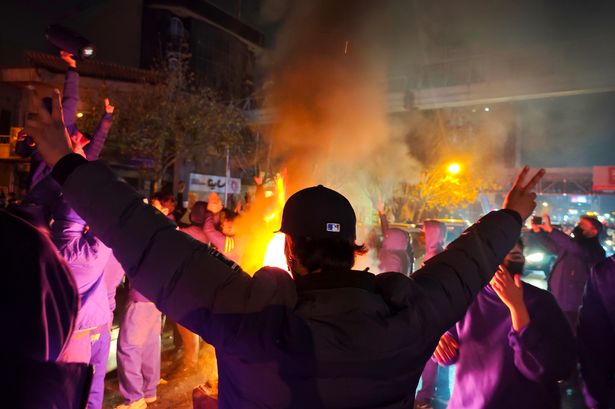
The escalating unrest in Iran has resulted in the deaths of at least 2,000 individuals as authorities intensify their crackdown on nationwide protests. Security forces have reported the capture of foreign gunmen allegedly linked to Israel, a claim that remains unverified. The dramatic increase in the death toll, which reportedly includes over 100 security officials, has raised alarms about the methods employed by Iranian forces, including summary street executions and violent suppressions.
As communications were restored after days of disruption, reports emerged of Iranian security forces arresting armed groups in the southeastern city of Zahedan. State television claimed these groups were carrying explosives and had connections to foreign interests. Witnesses described a heavy police presence in central Tehran, with streets filled with burned government buildings and shattered ATMs. Despite the violence, local tradespeople reported being ordered to reopen their businesses by police.
The unrest reportedly began on December 28, 2023, and has since prompted widespread fear among the populace. One witness recounted a harrowing incident involving a young boy named Amir, who was shot and subsequently bludgeoned by police. A relative shared, “They hit him so many times. He was taking his last breath.” Such accounts highlight the severity of the government’s response to the protests.
In response to the protests, Iranian Supreme Leader Ayatollah Ali Khamenei praised the pro-government demonstrations that took place on Monday, stating it served as a warning to American politicians. Khamenei emphasized the strength of the Iranian nation, insisting that they are aware of external threats. State TV aired footage of crowds chanting slogans against the United States and Israel, reflecting the government’s narrative that foreign interference is exacerbating internal unrest.
The Iranian government has issued stern warnings to protest participants, labeling them as “enemies of God,” a charge that carries the death penalty. Amid the turmoil, Iranian Foreign Minister Abbas Araghchi confirmed ongoing communications with U.S. envoy Steve Witkoff regarding diplomatic discussions that predate the unrest. He indicated that while talks are ongoing, the U.S. threats against Iran are incompatible with their interests.
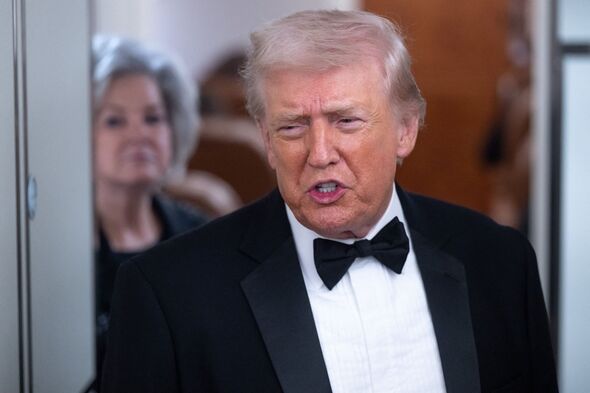
On the international front, U.S. President Donald Trump announced that countries engaging in business with Iran will face a 25% tariff effective immediately. This move is part of a broader strategy to pressure Iran in light of the violent crackdown on protests, as Trump asserts that economic measures can influence foreign relations.
As tensions continue, the situation remains fluid, with many Iranians expressing uncertainty about the future. Taxi driver Reza noted a sense of hopelessness among the youth, yet many still discuss continuing their protests. The potential for strikes and increased violence looms, further complicating the already precarious situation in Iran.
Witnesses have reported that police forces are heavily armed, employing batons, shields, and tear gas launchers to maintain order. The presence of Islamic Revolutionary Guard Corps personnel is also notable, indicating a heightened security response to the protests. As Iranian authorities continue to seek out dissent, including surveillance for satellite communication devices, the populace remains on edge, navigating a landscape marked by fear and uncertainty.