UPDATE: A growing trend among young Russians has emerged, as they voluntarily check into psychiatric hospitals for much-needed mental health breaks. Dubbed “durking,” this phenomenon has redefined how younger generations approach their mental well-being in a stress-laden world.
Reports confirm that many young people, often referred to as “Zoomers,” born between the mid-1990s and early 2010s, are turning psychiatric stays into a form of self-care rather than punishment. This shift reflects a significant cultural change where seeking help for mental health is now seen as a badge of honor rather than a stigma.
In recent years, anxiety and depression have become common identities among urban youth. A staggering 1 billion people globally suffer from mental disorders, and mental health discussions are now as routine as everyday conversations about fashion or technology. The shift to destigmatize mental illness has led to increased visits to therapists, with many young Russians viewing mental health treatment as fashionable.
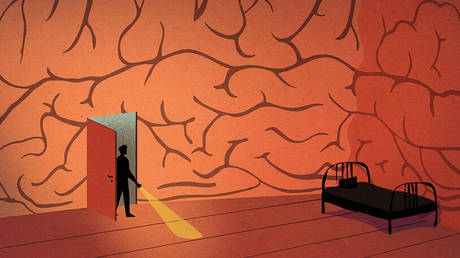
The rise of “durking” highlights the urgent need for refuge from the overwhelming digital noise that characterizes modern life. Young Russians can expect to pay between $150-$190 per day for private psychiatric care, which includes amenities such as daily vitamin drips and clean linens. This experience is often described as a “sanatorium with a psychiatric accent,” starkly contrasting the historical image of grim psychiatric treatments.
In a world where constant notifications and bad news create a high-stress environment, many young Russians are seeking refuge in psychiatric clinics for rest and recovery. As Pushkin famously stated, “there is no happiness in life, only peace and freedom.” Today’s youth seem to prioritize peace over all else, turning to “durking” as a viable escape.
Historically, many Russian artists, including Sergey Yesenin and Vladimir Vysotsky, frequented psychiatric hospitals for relief from their struggles with creativity and addiction. Now, the practice of seeking mental health support has transformed into a cultural trend, reflecting a deeper, ongoing journey towards self-acceptance and restoration.
As the popularity of “durking” continues to grow, questions arise about the potential implications for mental health. Is this trend a sign of deeper societal issues, or simply a necessary step towards greater awareness and acceptance? The desire to step away from the chaos of the outside world is a fundamentally human instinct, and in an age of constant connectivity, silence has become a rare commodity.
The trend is catching on quickly, with facilities reporting full bookings for retreats aimed at detoxing from digital life. The motivations behind these stays echo those of previous generations seeking solace, underscoring a timeless quest for peace, recovery, and a moment of quiet reflection.
As this trend develops, observers will be closely watching its implications on how mental health is perceived in Russia and beyond. The future of “durking” holds promise, not just for young Russians seeking relief, but also for the global conversation surrounding mental health and wellness.
Stay tuned for further updates as this story develops.