UPDATE: As winter grips the Northeast, urgent gardening preparations are underway for the coming thaw. On January 8, 2025, the Lazy Berkshire Gardener shares critical insights into how to protect your plants and plan for spring as temperatures are set to rise.
As icy winds whip through the region, now is the time to take action. With a January thaw approaching, gardeners are urged to clear salty snow away from trees and shrubs. This snow melt can lead to saltwater damage, jeopardizing root health.
“Move salty snow deposited by snowplows or shovels away from trees and shrubs,” the Gardener advises. The melting snow, mixed with salt, can pose a significant threat to your garden’s vitality.
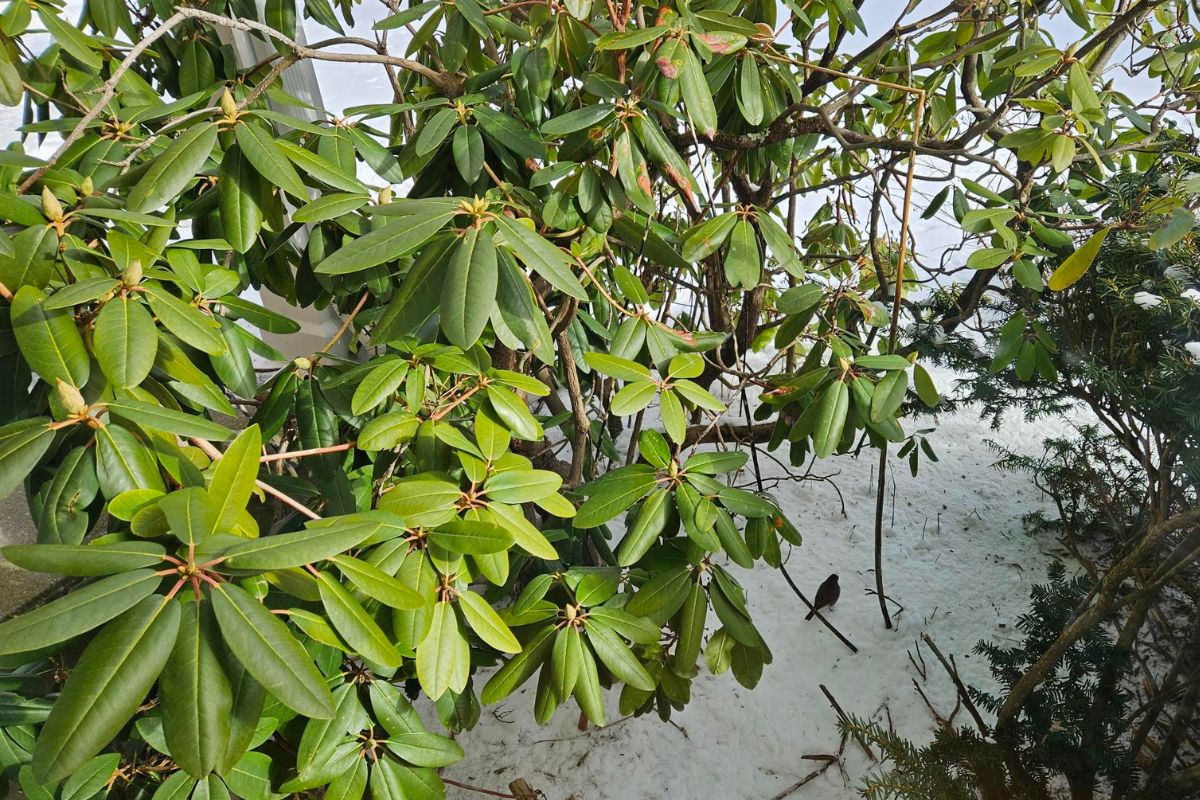
In addition to safeguarding your plants, consider enhancing your landscape for the future. Bird lovers should think about introducing more fruiting native plants and evergreens to provide year-round shelter. The Gardener notes how their mature rhododendron offers a perfect observation point for watching winter birds.
Have you noticed your rhododendron leaves curling? This behavior, called thermotropism, is a natural response to cold, protecting the plant from dehydration. As temperatures dip below 20 degrees Fahrenheit, the leaves contract, serving as a reminder to bundle up.
The Gardener emphasizes the importance of suitable plant choices, particularly conifers, which are designed to shed heavy snow and resist damage during winter storms. “Add plants to your landscape that belong in your environment,” they recommend, highlighting the resilience of fir trees in snowy conditions.
As you sit by the window, keep an eye on your indoor plants. The Lazy Berkshire Gardener checks on their basil and bromeliads, ensuring each gets the right amount of water and light. “I love low-maintenance houseplants,” they say, adding a personal touch to their gardening journey.
Excitingly, the Gardener has spotted emerging buds on their amaryllis bulbs, proving that patience pays off. With longer daylight hours, these bulbs are set to reward with a stunning flower display, bringing joy to the winter landscape.
However, do not delay! With warmer temperatures on the horizon, it’s time to act against hungry wildlife. Deer and rabbits pose a significant threat to budding plants. “I woke up on Tuesday and saw deer tracks all over my yard,” the Gardener warns. Now is the moment to apply repellents to protect your garden from browsing.
For those planning next summer’s vegetable garden, consider crop rotation to keep pests at bay. The Gardener is in year five of a six-year rotation, moving tomatoes to a new spot to outsmart insects. “By confusing pests, you also manage soil nutrients,” they explain, advocating for strategic planting.
Finally, on warmer days, check your wood-burning stoves. Cleaning out ashes and lightly scattering them over garden beds can enhance soil with valuable minerals like potassium and calcium, enriching the garden for spring growth.
With timely action, gardeners can prepare for the thaw and set the stage for a flourishing spring. Stay informed and ready to implement these crucial tips to maximize your gardening success this year. Share this urgent update with fellow gardening enthusiasts and help spread the word!