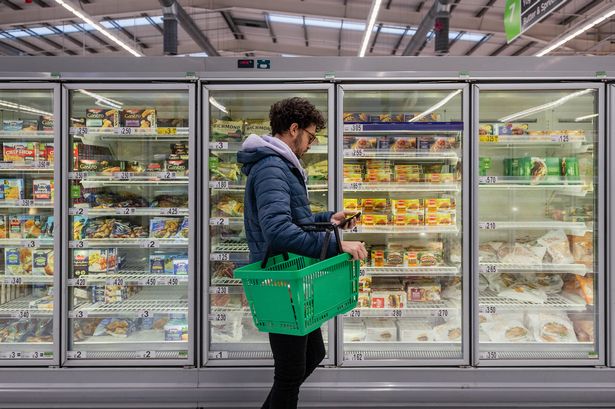
UPDATE: A newly released report from consumer watchdog Which? reveals that a common freezer practice could be significantly driving up your energy bills. Many households are unaware that improper usage of freezers not only affects food safety but also leads to rising electricity costs.
The warning comes as experts stress the importance of allowing freshly cooked food to cool before placing it in the freezer. Which? emphasizes that placing “recently cooked food” directly into the freezer can create extra strain on the appliance, pushing energy costs higher.
Food should ideally cool for one to two hours at room temperature before being frozen. Failing to do so can raise the temperature inside the freezer, risking the quality of stored food and forcing the appliance to work harder. This could lead to a noticeable spike in energy bills over time.
According to Which?, your freezer should be set between -18C and -20C to ensure food safety. At this temperature, the growth of bacteria is significantly inhibited, and spoilage is slowed.
The Food Standards Agency (FSA) further advises against placing hot or warm food in your fridge as well. Their guidelines specify that the fridge should maintain a temperature between 0C and 5C. To cool food efficiently, it is recommended to divide it into smaller portions before storing.
The impact of these common mistakes is profound, particularly as households face increasing energy prices. Consumers are urged to take immediate action to avoid unnecessary costs.
Experts also highlight the importance of proper storage within the fridge to prevent foodborne illnesses. Meat, fish, and poultry should be stored carefully to avoid cross-contamination and ensure safety.
As energy bills continue to rise, adhering to these guidelines becomes crucial. Consumers should be proactive in managing their freezer and fridge habits to maintain efficiency and keep costs down.
Stay alert for more updates as experts continue to analyze consumer habits and their implications on energy use.