UPDATE: A groundbreaking study released on January 7, 2026, indicates that global aviation emissions could be cut by an astonishing 50% through immediate efficiency improvements, without reducing flight volumes. Co-led by the University of Oxford, this urgent analysis scrutinized tens of millions of commercial flights, uncovering a stark reality: a mere 1% of the global population is responsible for half of aviation-related emissions.
This study arrives at a crucial time as governments and regulators grapple with the escalating climate impact of air travel amid soaring passenger demand. The findings are propelling a fierce debate over whether high-end and luxury air travel should face stricter regulatory oversight.
Key Findings: Researchers assert that emissions reductions of 50% to 75% are achievable by prioritizing fuel-efficient aircraft, increasing passenger load factors, and eliminating premium seating configurations. These changes focus on operational strategies rather than reducing the number of flights. Notably, reallocating existing aircraft could lead to an immediate 11% reduction in emissions using currently available technology.
The study also highlights dramatic disparities in emissions intensity across various routes. Some flights emit nearly 30 times more CO2 per passenger than others. Factors such as aircraft type and seating density play pivotal roles in this variation, with premium cabins significantly increasing emissions due to lower seating density.
Prof. Stefan Gössling, the research leader from Linnaeus University in Sweden, stated,
“We are currently stuck with a global situation where there is no hope that aviation will reduce its emissions.”
This statement underscores the urgency of addressing the emissions gap between frequent flyers and the general public.
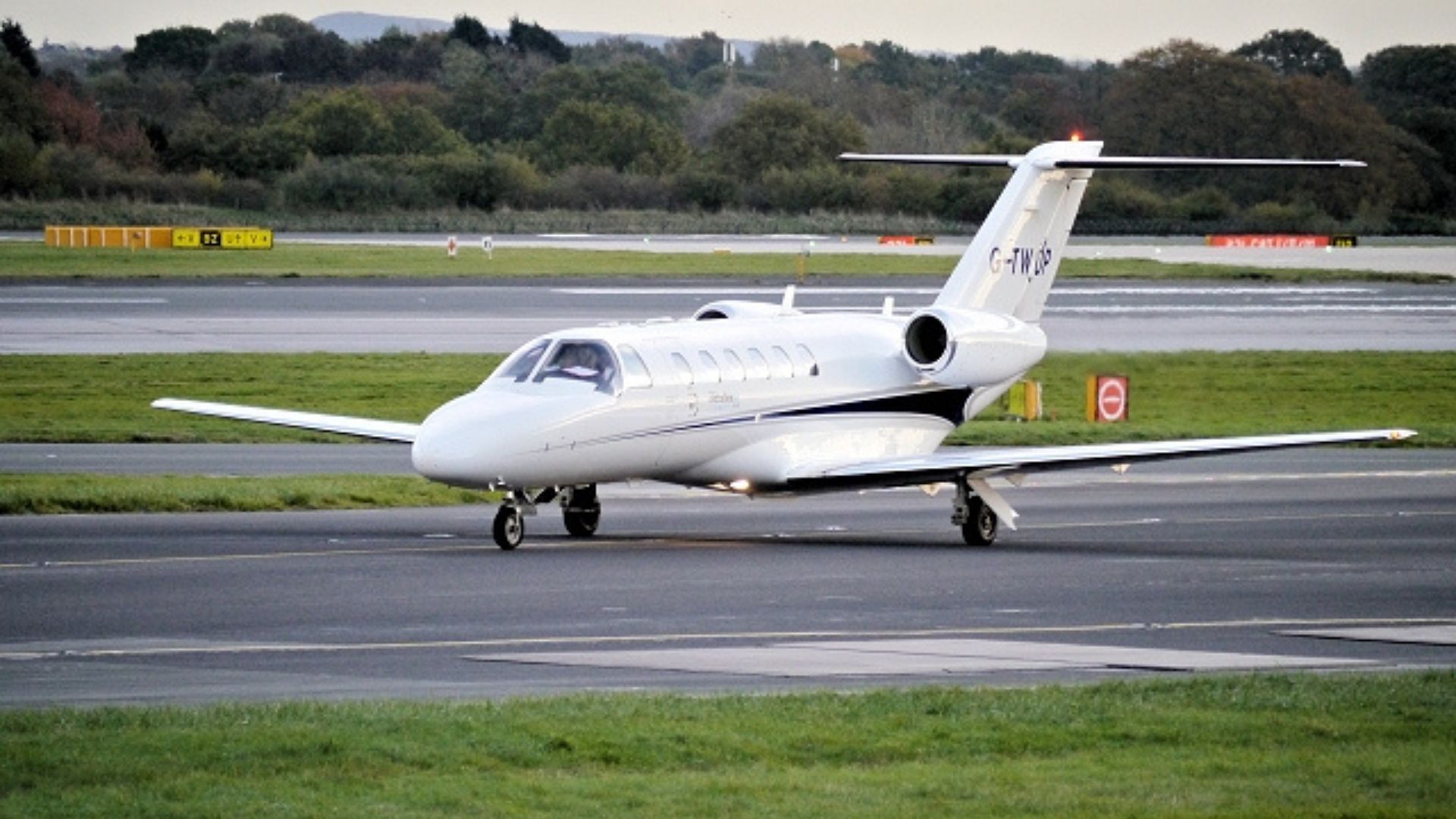
The study’s most provocative revelation is centered on emissions inequality. It estimates that just 1% of people are accountable for around 50% of aviation emissions, largely attributed to frequent flying and luxury travel. This stark imbalance has ignited calls from climate advocates for targeted aviation policies, particularly against luxury travel, which includes private jets—although accounting for a small share of total flights, they produce disproportionately high emissions per passenger.
As pressure mounts, proposals such as frequent flyer levies and emissions-based charges are gaining traction. While the report refrains from advocating for bans on premium travel, it suggests that market signals and regulations must play a more significant role. Potential options include efficiency-linked airport fees and stricter emissions reporting, aiming to adjust industry behavior while maintaining access for occasional passengers.
The underlying message is clear: achieving emissions reductions may depend as much on who flies as on how aircraft are powered. Business travelers, who significantly contribute to carbon emissions, are now at the center of this urgent conversation.
Next Steps: Operational efficiency is only one piece of aviation’s broader decarbonization strategy. Sustainable aviation fuels are gaining attention but still represent a minimal share of global fuel use. Meanwhile, innovations like hydrogen propulsion remain largely in the experimental phase. This makes immediate efficiency gains critical as interim solutions.
The study also highlights non-CO2 impacts, with researchers suggesting that minor adjustments in flight routes or altitudes could significantly mitigate these effects. However, implementing these changes requires coordination among airlines, air traffic control, and regulators, complicating the path forward.
With air travel volumes surpassing pre-pandemic levels and private jet activity on the rise, policymakers face mounting pressure to take swift action. The Oxford study reinforces the notion that meaningful emissions cuts are achievable now, even without technological breakthroughs. Whether these reductions will stem from voluntary industry changes or stricter regulations for high-end flyers remains a pressing question.
As the climate conversation shifts towards responsibility rather than access, the urgency for change has never been more critical. Share this story to raise awareness about the significant findings of this study and its implications for the future of air travel.