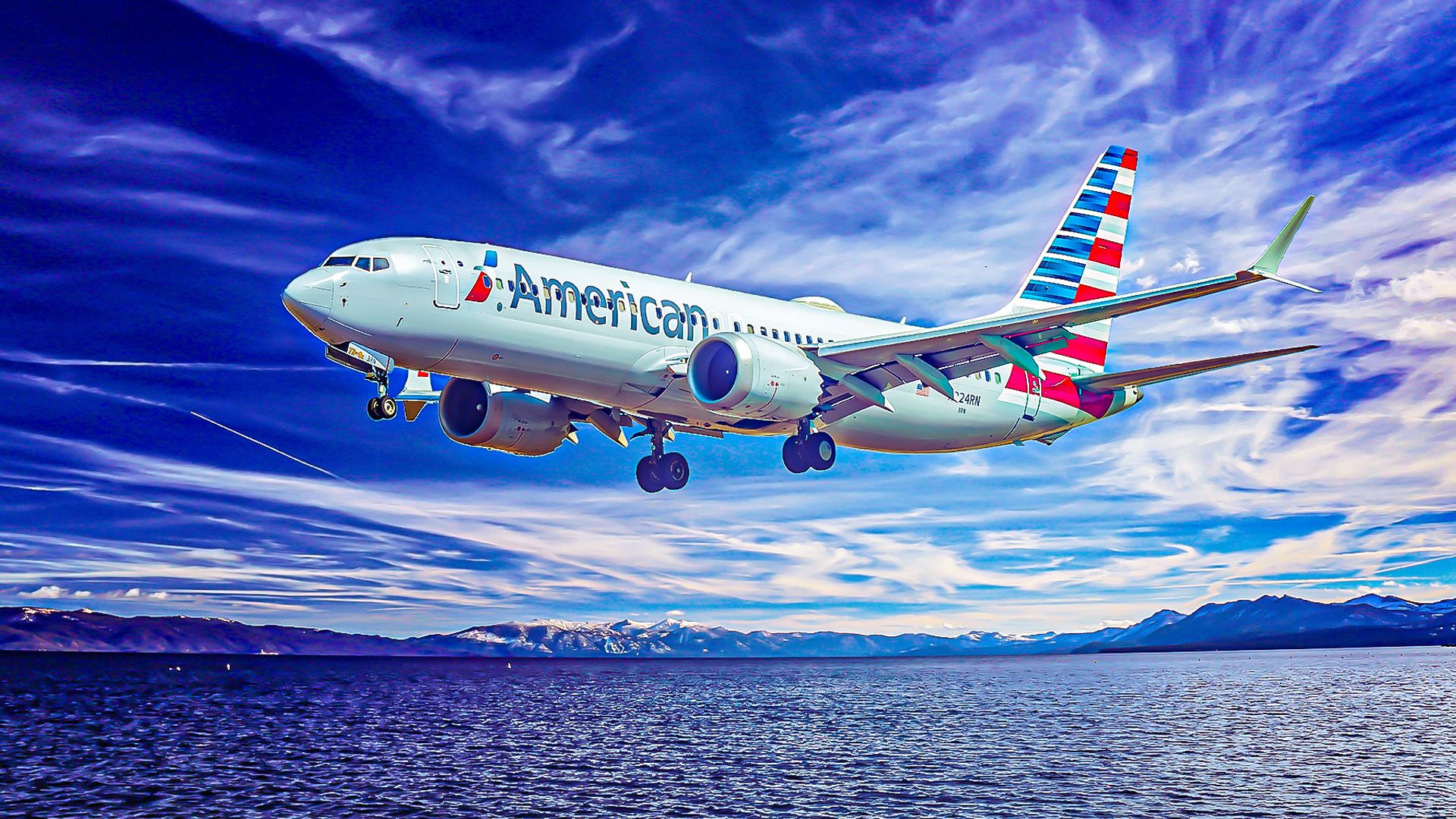
UPDATE: A shocking new study reveals that nearly 3% of airplane water tested in the United States is contaminated with coliform bacteria, raising serious health concerns for travelers. Just released by the Center for Food as Medicine & Longevity, the findings indicate that airlines like American Airlines and JetBlue pose the highest risk for passengers.
This urgent report highlights the ongoing failure of airlines to comply with the federally mandated Aircraft Drinking Water Rule (ADWR), established in 2011. Researchers urge travelers to avoid drinking any water from onboard systems, suggesting only bottled water from sealed containers is safe.
The study underscores a growing health risk as planes frequently refill their water supplies from various international sources, creating potential breeding grounds for harmful bacteria. The Environmental Protection Agency (EPA) mandates routine disinfection and flushing of airline water systems, yet compliance rates remain alarmingly low.
In a statement from Charles Platkin, director of the Center for Food as Medicine & Longevity, he noted, “Delta Air Lines and Frontier Airlines win the top spots with the safest water in the sky, and Alaska Airlines finishes No. 3… Nearly all regional airlines need to improve their onboard water safety, with the exception of GoJet Airlines.”
The rankings reveal a stark contrast in water safety among airlines:
– **Delta Air Lines:** 5.00 (Grade A)
– **Frontier Airlines:** 4.80 (Grade A)
– **Alaska Airlines:** 3.85 (Grade B)
– **GoJet Airlines:** 3.85 (Grade B)
– **American Airlines:** 1.75 (Grade D)
– **Mesa Airlines:** 1.35 (Grade F)
Alarmingly, CommuteAir reported a 33.33% rate of coliform-positive tests, one of the highest in the study. Scores above 3.5 indicate safe water, but most airlines fall short.
Passengers are advised to avoid consuming coffee and tea onboard, as these beverages are prepared with potentially contaminated water. Instead, they should rely solely on bottled water from trusted sources. Notably, washing hands with onboard sink water is also discouraged; travelers should use alcohol-based hand sanitizer with at least 60% alcohol content to ensure safety.
The report criticizes the EPA for inadequate enforcement of safety standards, earning a “shame on you” award for its role in the ongoing water safety crisis.
As air travel resumes and expands, the implications of these findings are significant for public health. With many travelers unaware of the potential risks, it is vital to stay informed and share this urgent information.
For those planning to fly, remember: when it comes to drinking water onboard, caution is key. Prioritize your health by choosing bottled water and using hand sanitizer to minimize risks associated with contaminated aircraft water systems. Stay safe and travel smart!