UPDATE: In a stunning escalation, former President Donald Trump announced on January 3, 2026 the commencement of a military operation in Venezuela, aimed at capturing ousted leader Nicolás Maduro and his wife Cilia Flores. This aggressive move has raised eyebrows and ignited a firestorm of debate over its legitimacy and underlying motives.
The announcement was made via Trump’s social media platform, where he claimed that U.S. forces conducted a “large-scale strike” against Maduro’s regime, asserting the operation was a necessary law enforcement action rather than an act of war. However, critics argue this is a blatant attempt to distract from Trump’s failure to address pressing domestic issues, including skyrocketing living costs and ongoing international conflicts.
The operation reportedly cost between $500 million and $1 billion, raising questions about the use of taxpayer funds for what many are calling an imperialistic venture. During a press conference at his private estate in Palm Beach, Florida, Trump declared, “We will run the country until a safe transition can occur,” further complicating the situation and provoking outrage from those who view this as a blatant violation of Venezuelan sovereignty.
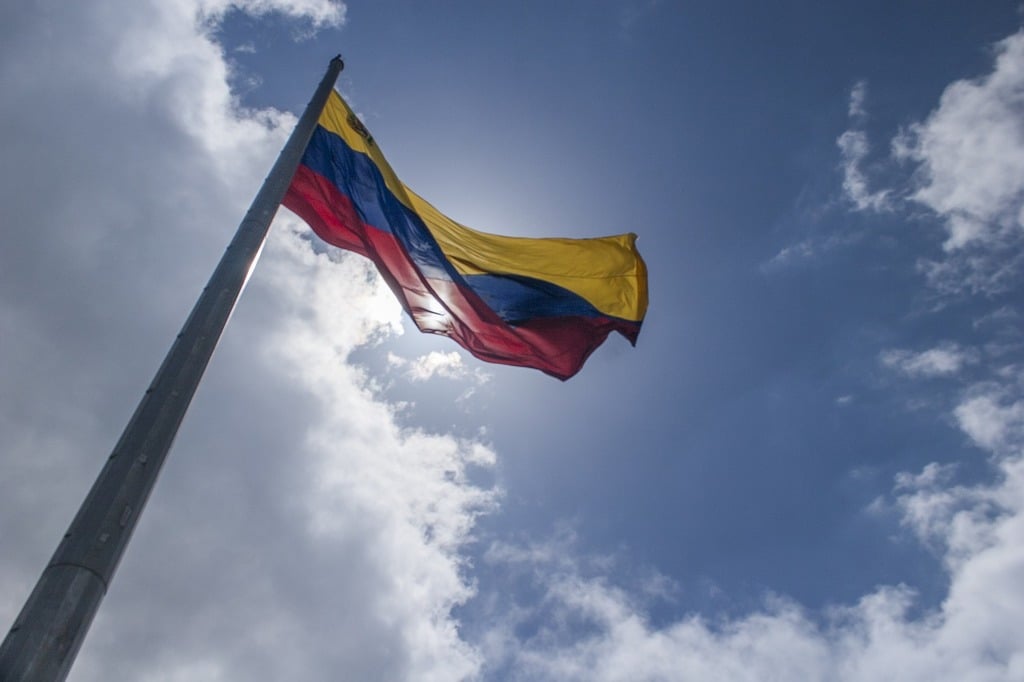
Venezuela’s government responded with alarm, declaring a state of emergency and accusing the U.S. of carrying out military attacks across the country. Vice President Delcy Rodríguez stated that Maduro’s whereabouts were unknown, demanding proof of life for the captured leaders. The Venezuelan communications ministry condemned the U.S. actions as “military aggression” and called for national mobilization against what they termed an imperialist attack.
Critics of Trump’s operation have pointed to his historical ties with the oil industry, suggesting that this military action serves to benefit Big Oil, which has heavily funded his political campaigns. Reports indicate that fossil fuel executives contributed approximately $445 million to Trump’s 2024 election efforts, raising ethical concerns about the intertwining of military action and corporate interests.
As international tensions rise, experts warn that the complexities of re-establishing control over Venezuela’s oil reserves, which are among the largest in the world, could lead to unforeseen consequences. Analysts caution that while on paper Venezuela has vast oil reserves, the actual extraction and production could prove challenging due to deteriorating infrastructure and potential resistance from the Venezuelan population.
During the press conference, Trump claimed, “No nation in the world could achieve what America achieved yesterday,” boasting about the military’s capabilities and downplaying the operation’s legal implications. He also failed to seek congressional approval for this military action, bypassing constitutional requirements and igniting a debate over the executive branch’s authority in military engagements.
The fallout from this operation is likely to be significant, impacting not only U.S.-Venezuelan relations but also the geopolitical landscape in Latin America. As the situation develops, many are left questioning the implications of Trump’s unilateral actions and the motivations behind them.
In a broader context, Trump’s operation has reignited discussions about U.S. foreign policy and military intervention, particularly in regions where American interests and corporate profits are at stake. As the world watches closely, the repercussions of this military venture are poised to echo for years to come.
As of now, the U.S. military’s presence in Venezuela is raising alarms both domestically and internationally. Critics argue that the real motives behind the operation must be scrutinized, as the implications for Venezuelan sovereignty and the potential for escalated violence continue to loom large. The global community is left to wonder: What will the future hold for Venezuela under this new U.S. intervention?