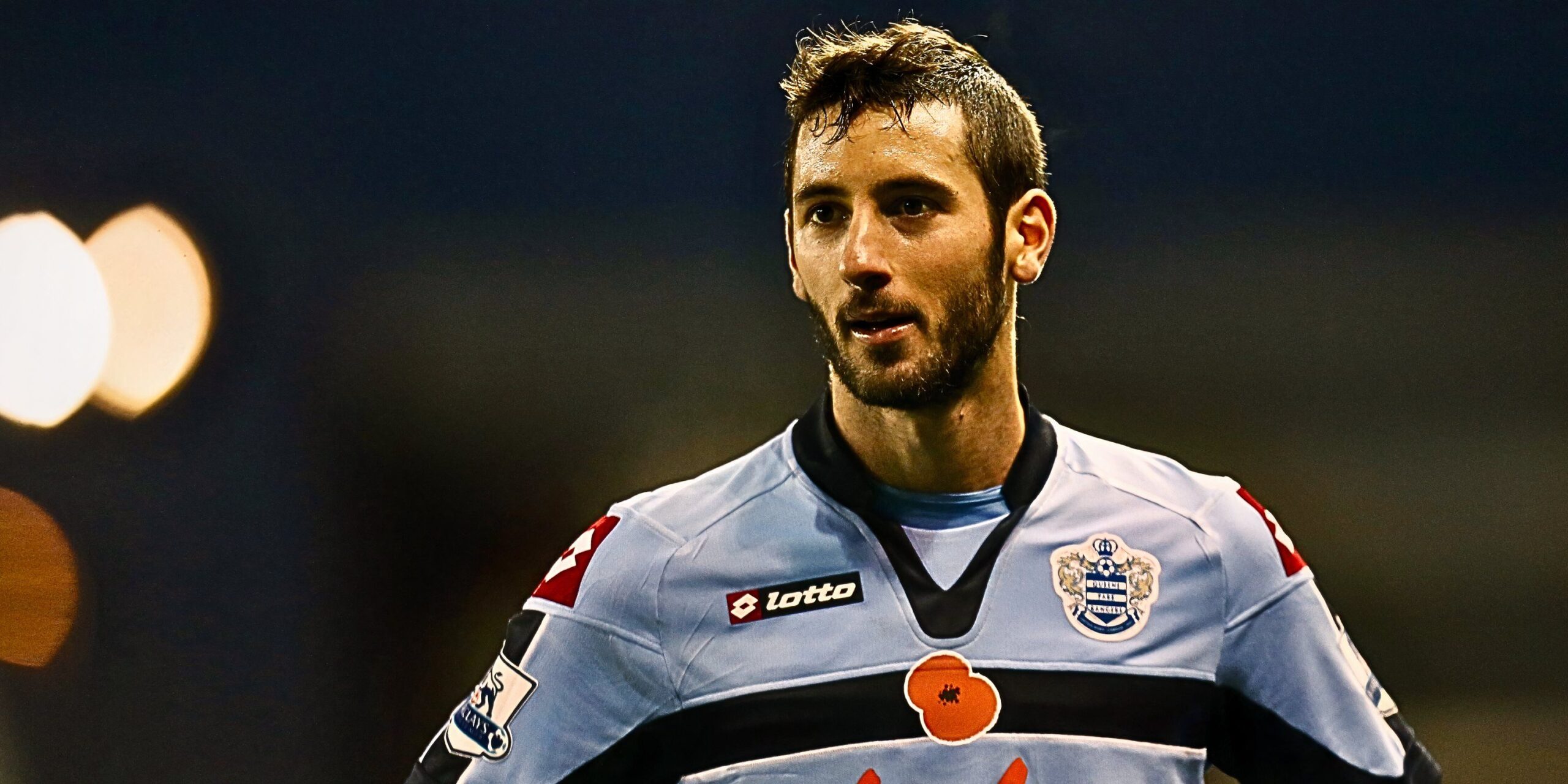
UPDATE: Queens Park Rangers’ £9 million investment in midfielder Esteban Granero is under intense scrutiny following a dismal performance during his tenure at the club. The transfer, made during the summer of 2012, was expected to elevate QPR in the Premier League, but it turned into a significant disappointment.
Granero, arriving from Real Madrid, was touted as a key player to help QPR establish themselves in England’s top flight. However, the Spaniard’s time at Loftus Road quickly spiraled into one of the club’s most notable flops. QPR’s struggle began immediately, as they went winless in their opening 16 matches of the season.
The situation worsened when manager Mark Hughes was replaced by Harry Redknapp in November 2012. Granero’s initial promise faded, and he found himself sidelined, making only 12 appearances in the remainder of the season. His performance was hampered by a hamstring injury, but even when fit, he was often left on the bench.
Granero’s arrival was part of a broader strategy by QPR, which had seen the club splurge on multiple players following a takeover by Tony Fernandes. While the intent was clear— to build a competitive squad— the execution fell short. The club’s scattergun approach to recruitment was evident, leading to a lack of cohesion on the pitch.
“Granero’s time at QPR was marked by high expectations but ultimately disappointing results,” said a club spokesperson.
QPR’s financial investment in Granero drew comparisons to their earlier signings, like Julio Cesar and Rio Ferdinand, both of whom also failed to deliver consistent performances. The club’s reliance on high-profile players rather than strategic squad building resulted in a quick descent, culminating in relegation from the Premier League.
Interestingly, Granero’s style of play may have suited teams like Swansea City, who had embraced a possession-based philosophy under manager Michael Laudrup. In contrast, QPR’s methods seemed outdated, further complicating Granero’s integration into the team.
With QPR’s continued struggles, the implications of this failed transfer extend beyond Granero, affecting the club’s standing in the Championship and their long-term vision. QPR has not returned to the Premier League since suffering two relegations in three seasons.
As QPR faces a crucial period ahead, fans are left to wonder what went wrong with the Granero investment and whether the club can learn from its missteps. The situation underscores the importance of strategic planning in football, illustrating how even the most promising signings can turn into costly errors.
What happens next for QPR remains uncertain, but the need for a cohesive strategy is more urgent than ever. The focus must shift toward rebuilding the squad and ensuring that future transfers are more aligned with the club’s long-term goals.
Stay tuned for further updates as QPR navigates this challenging landscape, with the shadows of past decisions looming large over their future.