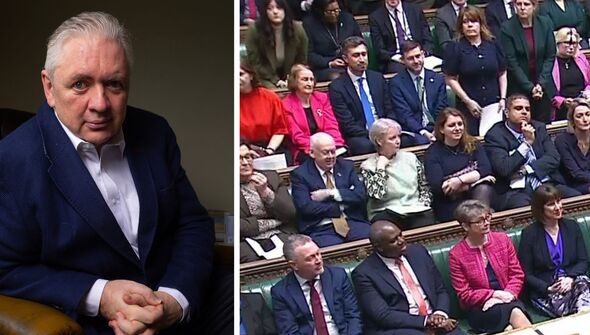
UPDATE: The Labour Party has just announced a surprising shift in its immigration policy, raising eyebrows and sparking outrage across the UK. In a dramatic U-turn, Labour now claims to support tighter border controls, a stark contrast to its previous stance promoting mass immigration as essential for economic and cultural growth.
This unfolding situation comes as the Reform Party surges in the polls, leaving Labour scrambling to regain public trust. Labour’s Home Secretary, Shabana Mahmood, unveiled a new border policy that echoes the tougher immigration measures of the centre-left Danish government, which has reportedly brought asylum claims to their lowest level in 40 years. Among the proposed measures are significant cuts in handouts for asylum seekers and expedited removals, a direct contradiction to previous accusations that such policies are racist and inhumane.
The Labour Party’s drastic pivot is particularly striking given that the UK has seen a staggering 944,000 new arrivals in 2023 alone. Critics, including Labour’s own members, are voicing their discontent. Zarah Sultana labeled the new policy as “straight out of the fascist playbook,” while Nadia Whittome condemned it as a betrayal of decency and compassion.
However, many argue that the current immigration system has been overwhelmed, allowing a significant influx of young men who often reside for extended periods in costly accommodations funded by taxpayers. This complex landscape of immigration has consistently been marked by political maneuvering, with politicians accused of treating voters like fools.
The Labour government’s new approach aims to counter the narrative that they have opened the floodgates to immigration. Yet, the challenge remains formidable. Mahmood faces intense opposition from various groups including activists, legal experts, and academics, all advocating for a more open immigration strategy. This resistance is partly fueled by the government’s own funding of pro-immigration organizations, such as Migrant Help, which received £47 million in public funds last year, further complicating Labour’s reform efforts.
In light of these developments, the political atmosphere is charged. Emily Spurrell, Chair of the Association of Police and Crime Commissioners, recently warned that nationalistic symbols, like St George’s flags, could foster division rather than unity. This sentiment underscores the delicate balance Labour must navigate as it attempts to redefine its image and policies amidst a changing political landscape.
As public scrutiny intensifies, the question remains whether Labour’s newfound stance will resonate with its traditional voter base or if it will be seen merely as an opportunistic ploy to stem the tide of Reform Party support. The immediate future of UK immigration policy hangs in the balance, with eyes across the nation watching closely for further developments.
Stay tuned for more urgent updates as this story unfolds.