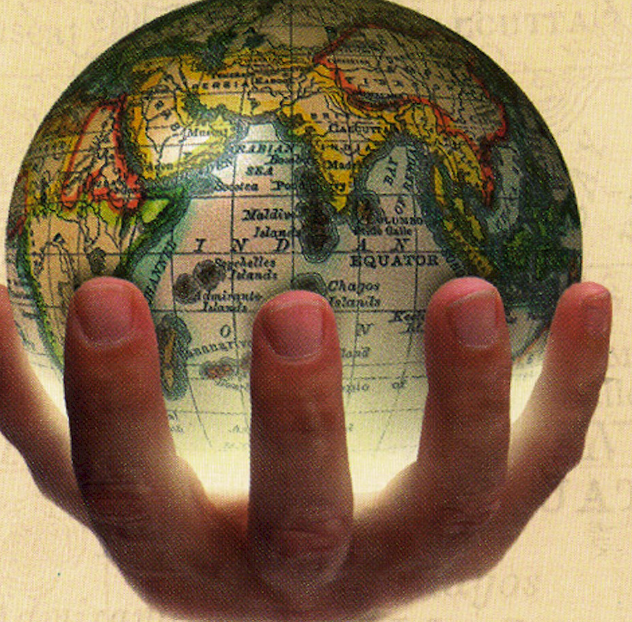
URGENT UPDATE: New analysis reveals a staggering shift in global wealth concentration, raising alarms for economic stability worldwide. Recent findings indicate that a mere 147 firms now control a shocking 40% of wealth in the global network, according to the Swiss Institute of Technology. This trend poses immediate risks for economies as investment and employment decisions increasingly fall into the hands of a select few.
The S&P 500 index is facing unprecedented concentration risks, with experts like Nuriel Rubini highlighting that the wealthiest 10% of Americans hold an astonishing 90% of stock capital in the United States. This concentration is not merely a statistic; it reflects a critical vulnerability in the economy, escalating fears of a potential crisis.
The latest data shows that 737 companies control an overwhelming 80% of total market value, primarily driven by tech giants often referred to as the “Magnificent 7.” These companies dominate the market, leading to greater dependency on the tech sector, which could amplify risks if a bubble were to burst.
The implications are profound. Economists warn that such concentration increases systemic vulnerabilities, as a downturn in the tech sector could have catastrophic effects on the entire economy. As markets react to these developments, authorities are urging vigilance.
This alarming trend was previously outlined by The Economist on April 11, 2020, which identified three key trends reshaping the global business environment: rapid adoption of new technologies, inevitable withdrawal from free global supply chains, and a worrying rise of well-connected oligopolies. Since the 1990s, two-thirds of American industries have become more concentrated, setting the stage for a highly interconnected and precarious financial landscape.
Analysts suggest that the current economic climate mirrors historical patterns of imperialism, where capital concentration leads to political and economic dominance. This scenario raises questions about the lessons learned from past imperialist endeavors and whether current leaders are equipped to handle similar challenges today.
Officials are advocating for increased scrutiny and regulatory measures to ensure that such concentration does not proceed unchecked. As this story develops, observers are urged to keep an eye on how policymakers respond to these urgent economic challenges.
Stay tuned for further updates as we continue to track the potential impact of this wealth concentration on global economies. The conversation around economic equity and stability is more critical than ever.