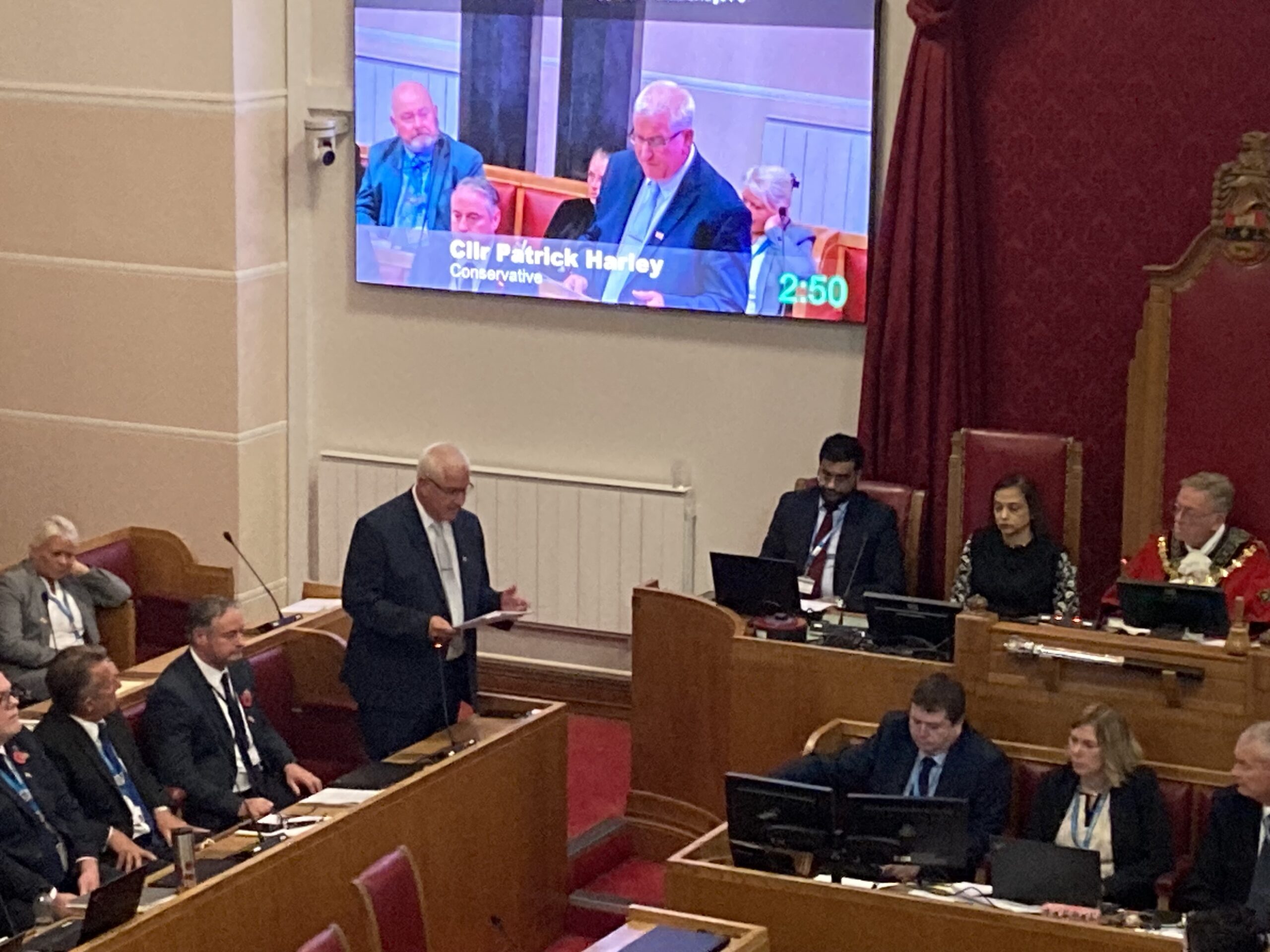
UPDATE: Dudley Council has just approved a significant 4.99% council tax increase, raising the average band ‘D’ property tax to £2,145. This decision comes as the council faces a dire financial settlement, the second worst in the West Midlands, forcing officials to act urgently.
The council convened on November 1, 2023, to address pressing budget concerns, ultimately opting for a tax rise that is set to continue for the next five years. Councillor Patrick Harley, leader of Dudley Council, expressed disappointment, stating they aimed for a 3% increase but could not due to financial constraints imposed by the government.
In a move to ease some community burdens, the council will also reinstate two hours of free parking in town-centre car parks and introduce pop-up tips in Sedgley and Netherton. This budget passed with crucial support from the Liberal Democrat group, which secured a series of amendments focusing on local priorities.
Councillor Ryan Priest, leader of the Liberal Democrats, defended their approach, emphasizing the need to prioritize the wards they represent. “We will always put our constituents first,” he stated, as the council grapples with balancing community needs against a backdrop of fiscal austerity.
Despite the approval, not all voices were heard. An amendment proposed by Labour finance spokesperson Councillor Shaukat Ali aimed to appoint 10 community protection officers and additional youth workers to combat rising anti-social behavior but was defeated. Labour also sought a 10% cut to the council’s £28.20-a-month Telecare service and called for the appointment of a ‘pothole czar’ to address road safety concerns.
Councillor Adam Aston, leader of the Labour group, criticized the council’s approach, stating, “Deep and dangerous potholes should be repaired within seven working days,” highlighting urgent infrastructure needs.
The council’s financial officer cautioned against the Labour amendments, indicating they could jeopardize the council’s finances. Councillor Phil Atkins, a Conservative, accused Labour of recklessness, claiming their proposals could add £8.5 million to the budget unsustainably.
Councillor Pete Lowe, leader of the Black Country Party, expressed concerns about the democratic process, labeling the deal a “farce” that could lead to ward councillors pursuing self-serving amendments. Yet, he acknowledged the grim financial outlook, stating, “The whole point of reserves is that the money is for a rainy day, and it is pouring down outside now.”
As the council navigates these decisions, the impact on local residents is clear. Many will feel the pinch of increased taxes while hoping that the return of free parking and additional services will alleviate some of their financial burdens.
What’s next? Residents will be closely watching how these changes affect their communities and whether further amendments will be proposed as the council struggles to balance budget constraints with essential services.