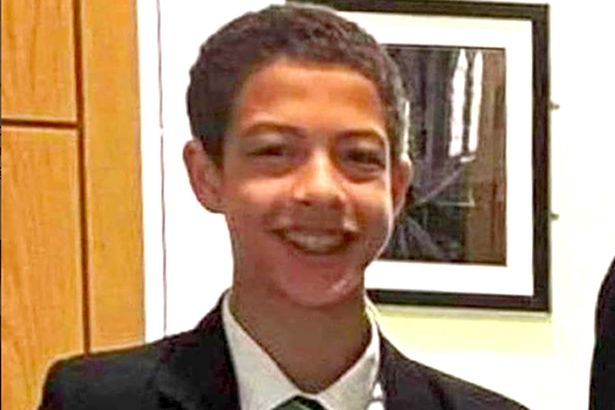
UPDATE: A coroner’s inquest reveals that a heart transplant patient, Thomas Morrell, could have been transferred to the Freeman Hospital sooner, potentially improving his chances of survival. The findings emerge as urgent questions about patient care protocols arise following Morrell’s tragic death on December 3, 2024.
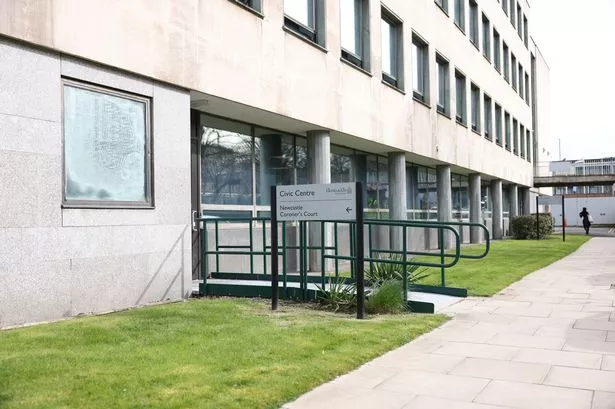
During the inquest held on November 7 at Newcastle Coroner’s Court, Assistant Coroner Thomas Crookes indicated that earlier recognition of Morrell’s deteriorating health could have allowed for a quicker transfer from Scarborough Hospital, where he was initially admitted on October 8, 2024. Morrell, who suffered from hypertrophic obstructive cardiomyopathy, was treated for abdominal issues before it became clear he was in heart failure.
The coroner emphasized that there were “opportunities to intervene” earlier in Morrell’s treatment which might have altered the outcome, although he confirmed it could not be definitively stated that these interventions would have saved his life. Crookes stated, “There may have been opportunities to intervene at an earlier juncture prior to him reaching end-stage heart failure.”
Morrell’s treatment journey saw him utilize an ECMO device before a much-anticipated heart transplant. However, complications during the surgery—including massive bleeding—ultimately compromised the functionality of the new heart, leading to irreversible damage.
The inquest highlighted a significant oversight: there had been a three-year gap in heart scans prior to Morrell’s admission, which the coroner noted could have led to earlier detection of his condition. Previous echocardiograms in 2019 showed no significant changes, but a subsequent cardiac MRI in 2021 revealed concerning developments in his heart’s condition.
In response to the findings, the coroner has issued a formal notice aimed at “preventing future deaths,” urging the York and Scarborough Teaching Hospitals NHS Trust to reassess its protocols for managing patients with hypertrophic obstructive cardiomyopathy. Crookes pointed out a critical lack of standardized operating procedures for referring patients in similar circumstances, which could have been pivotal for Morrell.
A spokesperson for the trust expressed condolences to Morrell’s family and acknowledged the concerns raised, stating, “The Trust is reviewing the Report to Prevent Future Deaths and will provide a full response to the coroner in due course.”
As the healthcare community grapples with these findings, the implications for patient care in similar cases are profound. Families and advocates are urged to stay informed as more developments unfold from this urgent inquiry into patient safety and protocol adherence.
For real-time updates on this developing story and other breaking news, consider joining our dedicated WhatsApp community. Stay informed with the latest updates sent directly to your phone.