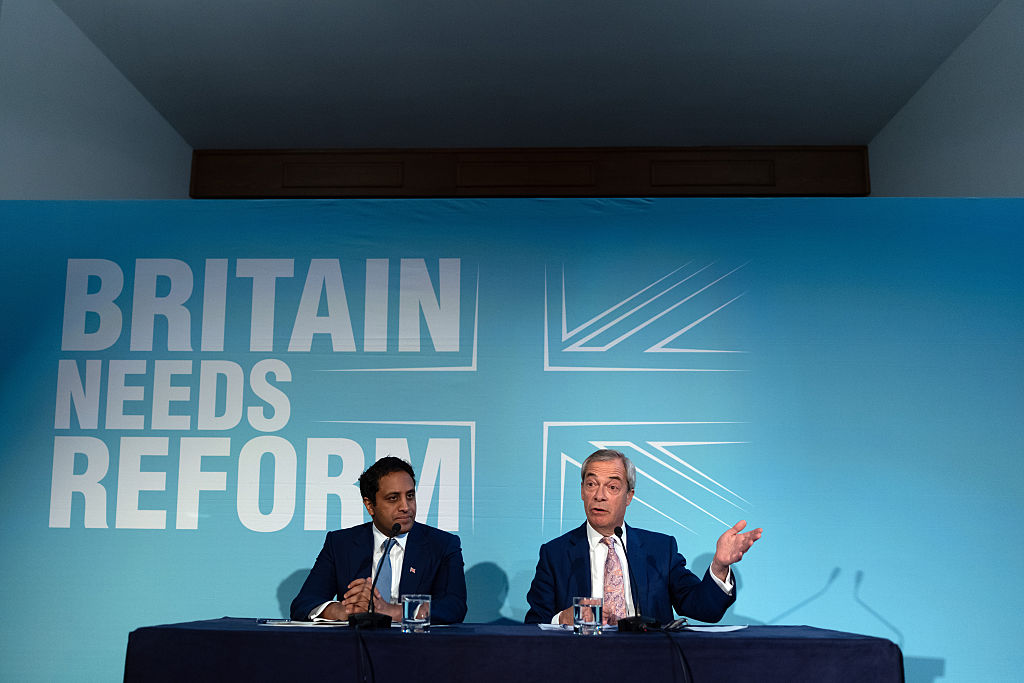
URGENT UPDATE: In an unprecedented move, the UK’s Conservative Party and the Reform Party have launched a joint critique against Labour’s Rachel Reeves, accusing her of excessive taxation due to rampant spending. During simultaneous press conferences yesterday, both parties vowed to dismantle what they deem a bloated government structure.
Former UKIP leader Nigel Farage emphasized the power of bond markets, stating, “the bond markets are enormously powerful as Liz Truss’s government found to their cost.” Farage’s remarks highlight the urgent financial pressures facing the UK as parties prepare for potential policy shifts.
Zia Yusuf, competing for the position of shadow chancellor with Richard Tice, unveiled a series of sweeping reforms aimed at cutting spending significantly. Among the proposed changes are ending Universal Credit payments for EU nationals and raising the NHS surcharge for immigrants from £1,035 to £2,718.
Yusuf also announced drastic cuts to the foreign aid budget, reducing it from £11 billion to just £1 billion, or a mere 0.01 percent of GDP. He stated, “In most of the proposals that we’re announcing, the vast majority of them, it is foreign nationals who are being asked to deal with the difficult decisions and not British citizens.” This approach raises serious concerns about the equitable distribution of fiscal responsibility.
The proposals reflect what critics are calling “fiscal nimbys,” a tendency to demand cuts while shielding one’s own constituency from the consequences. While Reform pushes for aggressive cuts, there seems to be a reluctance to touch certain popular domestic benefits, such as the state pension triple lock and universal pensioner benefits. These measures are viewed as politically risky in the current climate.
Both Farage and Kemi Badenoch have drawn inspiration from Argentine libertarian Javier Milei, who has been praised for his extreme austerity measures. However, they remain cautious about implementing similar cuts, particularly to pensions, which Milei targeted with a 35 percent reduction. In Britain, the triple lock has already cost the government approximately £15.5 billion by 2029-30, raising questions about the sustainability of current policies.
In a surprising turn, Badenoch hinted at potential reforms to the triple lock, stating, “We may have to do something really revolutionary, that’s what we’re working on.” This statement signals a possible shift in Conservative strategy, as both she and Farage are faced with the question of whether they can commit to the kind of radical cuts that Milei has enacted.
As these developments unfold, the political landscape in the UK is poised for significant change. The immediate impact of these proposals could resonate with voters who are concerned about the future of public spending and taxation. Observers will be watching closely to see if Farage and Badenoch can balance their radical rhetoric with the electoral realities they face.
Stay tuned for more updates as this story develops, and watch for official responses from Labour and other parties regarding these bold fiscal proposals.