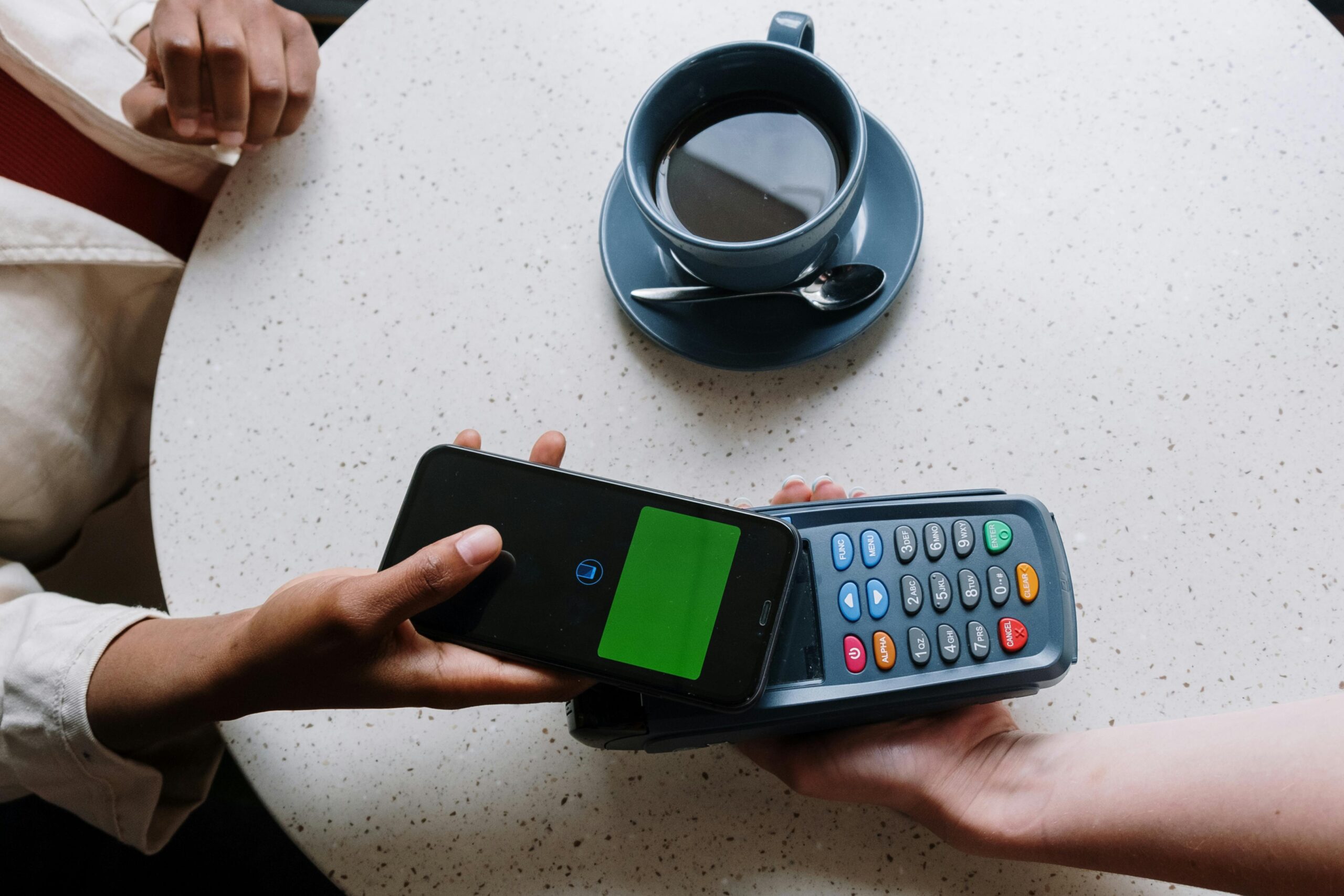
The landscape of business payments is undergoing a significant transformation as companies increasingly adopt digital check payments. This shift away from traditional paper checks to electronic alternatives is driven by the need for faster, more secure transactions. Digital check payments allow businesses to create, share, and deposit checks electronically, streamlining processes and reducing delays.
The Rise of Digital Check Payments
In recent years, the digital check payment system has gained traction, particularly among small businesses, freelancers, and remote teams. This innovation empowers users to generate checks online and send them directly to recipients via electronic communication, eliminating the need for physical paperwork. Instead of mailing a paper check, recipients receive a secure digital version that can be printed or deposited using mobile banking apps.
The process is straightforward: a payer generates a check on a secure online platform, entering essential details like the payee name, amount, date, and bank information. Once created, the check is sent electronically, allowing the recipient to print or deposit it digitally. This method significantly reduces wait times and geographical barriers, enhancing cash flow for businesses.
Benefits of Digital Payments
One of the primary advantages of digital check payments is speed. Instant delivery of payments helps businesses maintain a healthy cash flow and reduces administrative costs by eliminating expenses associated with printing, postage, and manual reconciliation. For remote businesses, this method ensures seamless transactions regardless of location.
Security is another crucial benefit. Reputable platforms implementing encryption, access controls, and audit trails protect sensitive financial information. Unlike paper checks, which are prone to loss or theft, digital records are easier to track and verify. Many businesses also appreciate the sustainability aspect of digital checks, as reducing paper usage lowers their environmental impact.
Industries across the board are adopting electronic check delivery due to its flexibility. Freelancers can receive client payments quickly, property managers use it for rent collection, and healthcare providers rely on it for patient refunds and insurance reimbursements. Even larger enterprises are incorporating digital checks into their accounts payable processes to expedite vendor payments.
Small businesses particularly benefit from simplified bookkeeping. Digital records seamlessly integrate with accounting software, making reconciliation faster and more accurate. In the United States, most banks accept digitally delivered checks, provided they meet standard formatting and security requirements established by organizations such as NACHA.
To maximize efficiency, businesses should verify recipient details before sending payments. Clear communication about how to deposit the check can prevent confusion, while maintaining proper records and using platforms that offer transaction logs enhances transparency. Additionally, limiting access to authorized users and enabling two-factor authentication further strengthens security measures.
As businesses increasingly embrace automation, digital check solutions are poised to become a vital link between traditional banking and modern payment systems. They provide the familiarity of conventional checks alongside the advantages of speed and flexibility without necessitating major changes to existing workflows.
Digital check delivery exemplifies how even long-established payment methods can adapt to meet contemporary demands. By minimizing delays, improving security, and supporting remote operations, this payment method empowers businesses to manage their transactions confidently. As financial technology continues to evolve, adopting electronic payment solutions is becoming essential for businesses aiming to stay competitive in the modern marketplace.