URGENT UPDATE: New insights have emerged about the critical crew rest areas on the Boeing 747-8, highlighting their essential role in maintaining safety and efficiency during ultra-long-haul flights. As airlines expand their long-haul services, understanding how flight crews manage fatigue is crucial for passenger safety.
Crew rest areas are vital for ensuring that flight crews can receive adequate rest during extended flights. With ultra-long-haul routes now exceeding 20 hours, the need for dedicated spaces for crew members is more important than ever. These areas are usually hidden from passenger view and are designed specifically to allow pilots and cabin crew to rest properly while in flight.
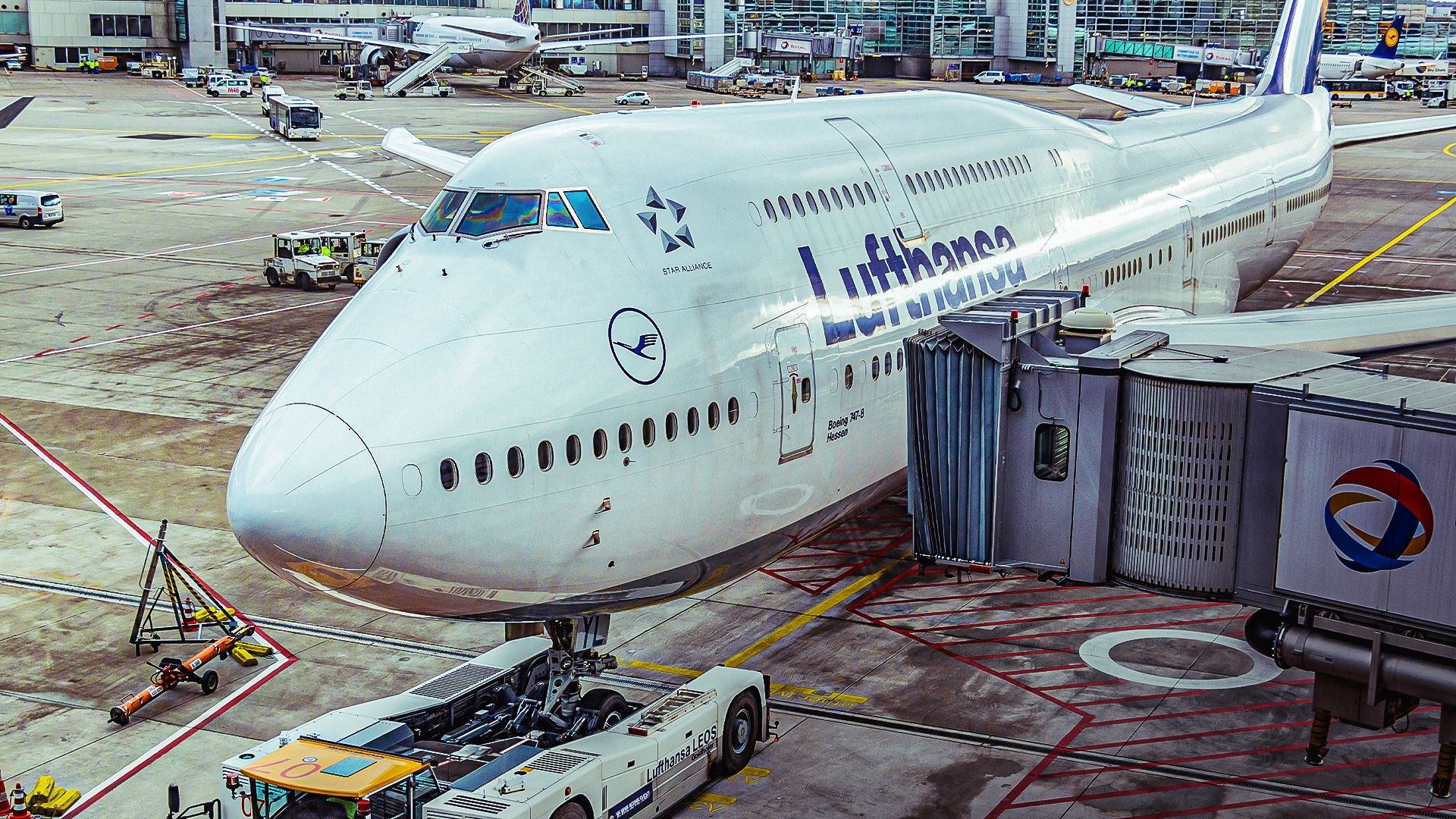
The Boeing 747-8 is a prime example, boasting dedicated rest compartments that are essential for flights that often exceed 10-12 hours. These compartments are located behind crew-only doors to ensure privacy and security. The pilot rest area, situated just behind the flight deck, contains two horizontal bunks designed for comfort during flight, complete with bedding and airflow controls.
Additionally, the cabin crew rest area is located further back on the aircraft, providing multiple bunks for flight attendants to rotate their rest periods. These rest sections adhere to strict safety and fatigue management standards, ensuring crew members receive meaningful rest during long international sectors.
For instance, Lufthansa operates one of the longest nonstop flights with its service from Frankfurt to Buenos Aires, covering approximately 6,198 nautical miles (11,479 km) in about 13 hours 45 minutes. Korean Air features an even longer route from Seoul-Incheon to Atlanta, spanning about 7,172 miles (11,543 km) and taking around 14 hours 30 minutes. These lengthy journeys underscore the importance of crew rest areas in ensuring safe operations.
Aircraft like the Boeing 787 and Airbus A350 also feature crew rest areas designed to enhance comfort and privacy for flight crews. Innovations in these spaces include advanced lighting systems to support circadian rhythms and improved air circulation, which are critical for maintaining alertness during flights.
The future of crew rest areas is rapidly evolving. Airlines are now prioritizing sleep quality and fatigue management, moving beyond mere compliance with regulations. Next-generation rest areas may incorporate smart monitoring systems to track sleep quality and integrate with crew scheduling, allowing airlines to anticipate fatigue before it becomes a problem.
What happens next? As airlines and regulators continue to tighten requirements on rest quality, innovations in aircraft design and crew rest facilities will play a pivotal role in enhancing the safety and well-being of flight crews. The progress in aviation technology is set to transform how crews manage fatigue, making effective rest an essential part of flight operations.
This revelation about crew rest areas comes at a time when passenger awareness of flight safety protocols is growing. Travelers are increasingly interested in how airlines prioritize crew well-being, directly impacting the overall flying experience.
Stay tuned for more updates as the aviation industry adapts to these critical developments.