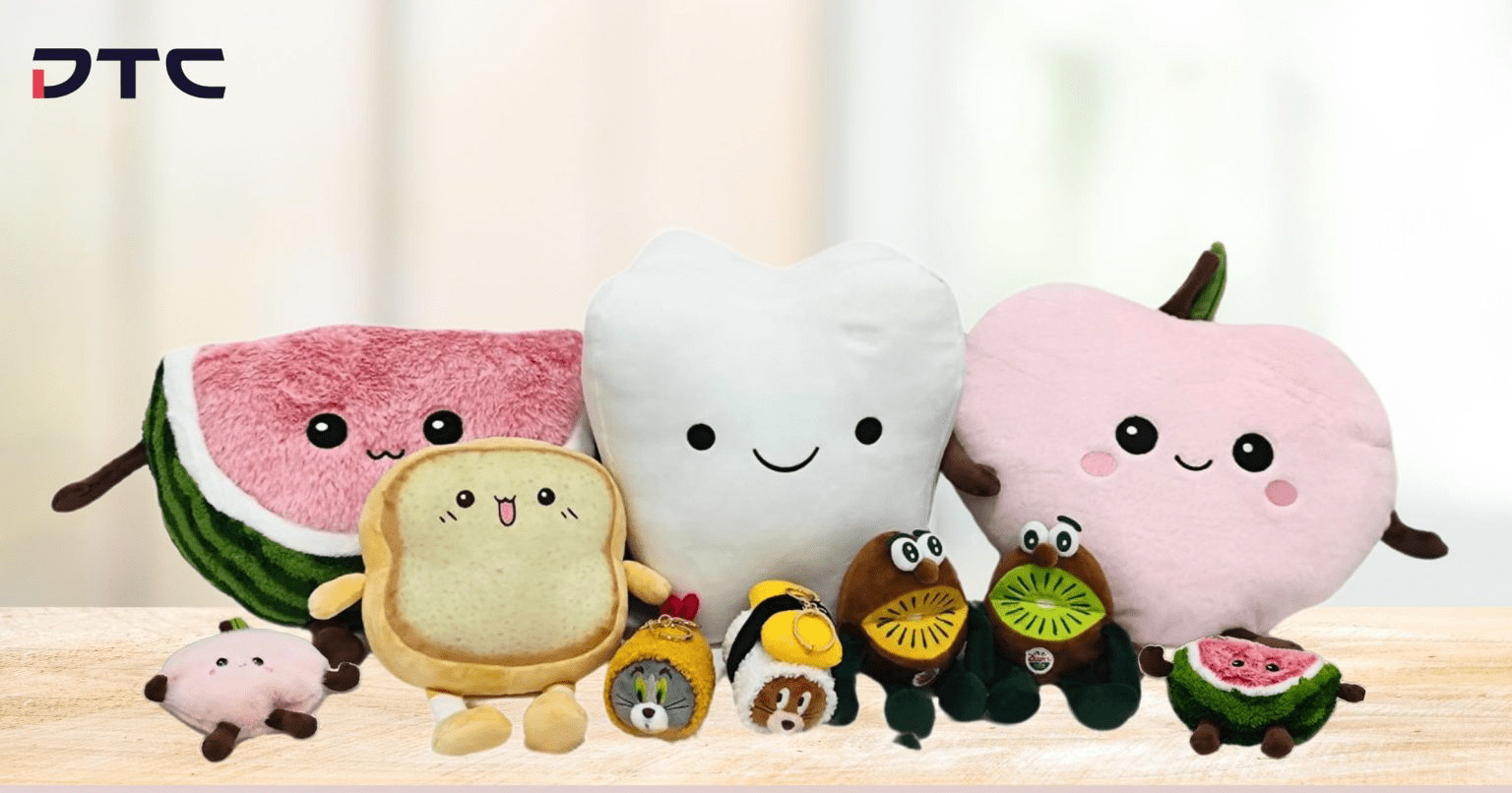
URGENT UPDATE: Innovative techniques are revolutionizing how beloved 2D mascots are transformed into lifelike plushies, capturing the hearts of fans worldwide. Artists are now leveraging advanced design psychology, engineering, and materials science to create plush toys that resonate emotionally and physically with collectors.
Recent reports reveal that the secret to crafting irresistible plushies lies in a psychological phenomenon known as Kindchenschema, which emphasizes features like big heads, round eyes, and soft shapes. This formula explains why characters such as Kirby, Grogu, and Pusheen have an instant charm and connection with fans.
However, the transition from screen to plush is not straightforward. Artists face the challenge of maintaining these appealing proportions while avoiding the common pitfalls of falling over or deforming. This complex translation requires expert tweaks to proportions, ensuring the plushies embody the characters’ emotional essence without compromising their structure.
The engineering behind plush design is pivotal. Mascots with oversized heads often require hidden engineering solutions, including weighted bases and internal stabilizers. Such precision ensures that official plushies not only look great but also stand the test of time—unlike cheaper knockoffs that crumble under pressure.
Creating a plush begins with meticulous pattern engineering. Designers break down each character into components: body, head, limbs, and accessories. These parts become flat templates that are stitched into 3D forms. Even minor discrepancies in measurements can lead to a distorted final product.
Premium plush producers are turning to high-quality materials like minky for softness, crystal velvet for a luxurious feel, and faux fur for texture. Some are even experimenting with mixed textures, utilizing gradient fabrics and holographic accents to appeal to the modern collector.
Moreover, the choice of eyes plays a critical role. Many high-end plushies favor embroidery over plastic, as it offers longevity, safety, and a closer resemblance to the original character. This attention to detail allows plushies to maintain a “living” quality, essential for fan engagement.
Manufacturers are also focusing on durability. Plushies must endure the rigors of play, from being squeezed during gaming sessions to being carried around by children. Key manufacturing checks include strength testing for seams, hypoallergenic stuffing, and ensuring no detachable small parts pose safety risks.
In today’s eco-conscious market, ethical production is paramount. Fans increasingly seek plushies made under fair labor practices and sustainable material sourcing. This shift reflects a broader trend within fandom culture, where consumers are more aware of the origins of their merchandise.
The allure of limited-run plushies has sparked a frenzy among collectors, driving unboxing videos and TikTok trends. Campaigns like Quby Blind Boxes and licensed Disney plush lines showcase how timely releases can lead to sellouts and explosive resale markets. Fans are not merely purchasing toys; they are investing in their fandom identities.
For creators hoping to bring their characters to life, partnering with experienced plush manufacturers has become essential. These professionals manage everything from character interpretation to quality control, ensuring the final product is not only visually appealing but also emotionally resonant.
In conclusion, the science of cute is more than just artistry; it’s a meticulous process that combines psychology, engineering, and ethical practices. As the demand for quality plushies grows, fans can look forward to more captivating designs that honor their favorite characters. Expect to see significant developments in the plushie market as artists and manufacturers continue to innovate, creating connections between fans and their beloved mascots that transcend the screen.