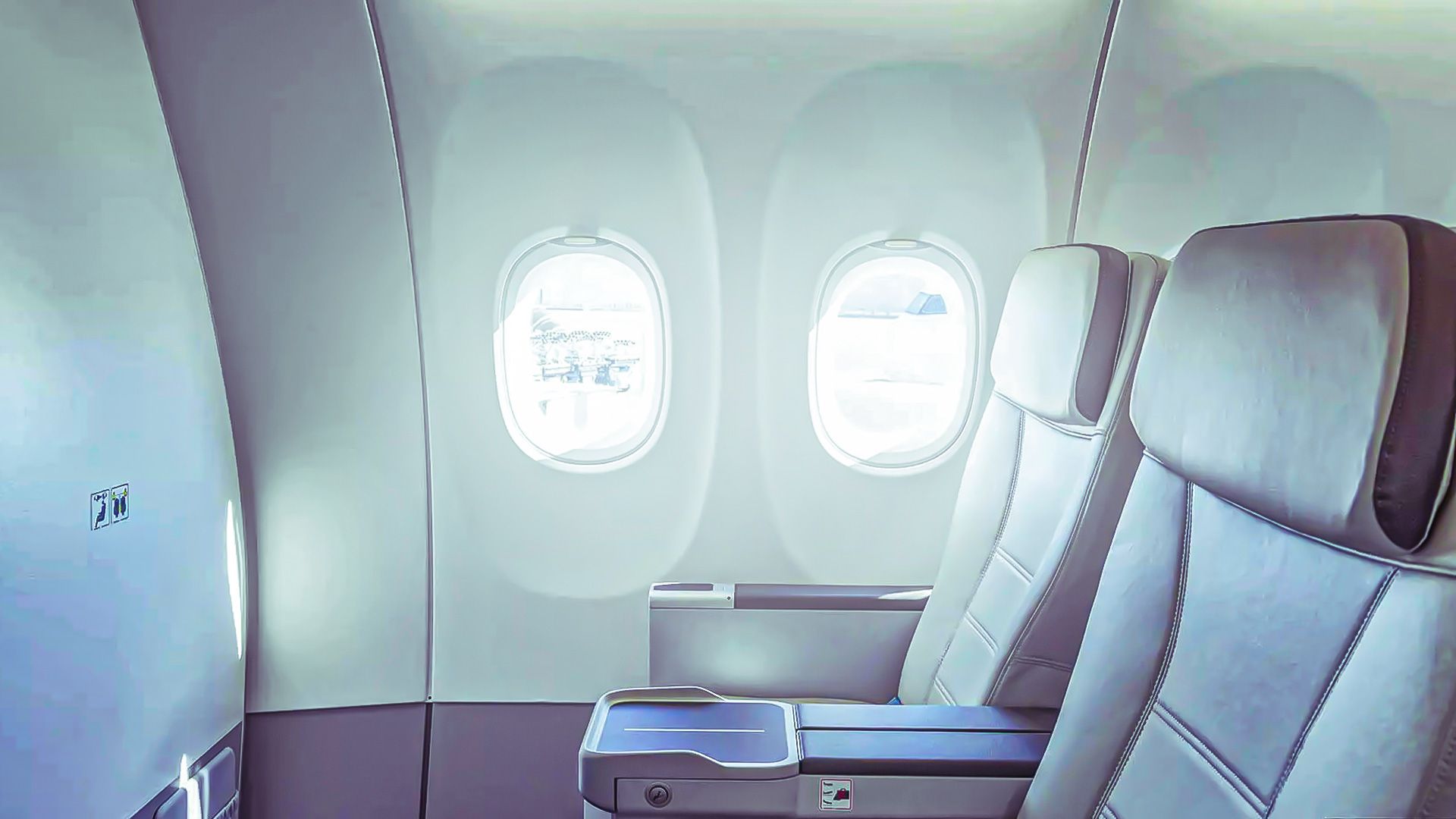
URGENT UPDATE: The new Airbus A321XLR is reshaping long-haul travel with its groundbreaking lower cabin altitude feature, confirmed to significantly enhance passenger comfort. This innovative aircraft, connecting cities like Madrid to Boston and London to Delhi, is set to elevate the flying experience for travelers worldwide.
The A321XLR maintains a cabin altitude of approximately 6,000 feet, a notable improvement from the typical 8,000 feet found in older models. This engineering achievement promises less fatigue and better hydration for passengers, making long flights more bearable. By simulating a cabin environment closer to ground-level air quality, the A321XLR stands out in the aviation industry.
Airbus has invested heavily in technology to ensure this level of comfort without sacrificing fuel efficiency. The aircraft’s advanced pressurization systems, airflow control, and humidity regulation are designed to replicate the comfort of widebody jets in a single-aisle configuration. According to Airbus engineers, extensive testing has shown that cabin pressure remained stable during long-haul flights, providing a relaxing atmosphere for passengers.
Passengers flying on the A321XLR can expect a unique experience, as the aircraft’s Airspace cabin features integrated lighting and sound insulation that enhance the overall sense of space and comfort. This meticulous attention to detail extends to seat placement and panel curvature, which are optimized to ensure consistent pressure throughout the cabin.
While this lower cabin altitude offers significant physiological benefits, it also required a complete rethinking of the aircraft’s environmental control systems. Engineers had to find a balance between comfort and operational efficiency, leading to the use of advanced composite materials that are both lightweight and strong. This innovation allows the A321XLR to maintain a consistent cabin altitude while flying at altitudes above 35,000 feet.
Notably, early test passengers on long-haul routes have reported feeling more alert upon arrival, with fewer symptoms of jet lag, headaches, and eye dryness. This could be a game-changer for business travelers and anyone undertaking lengthy flights.
Airbus confirms that the A321XLR’s pressurization system is designed to automatically adjust to maintain optimal conditions, minimizing ear discomfort and reducing physical strain on both passengers and crew. The environmental control unit employs real-time sensors to monitor pressure and temperature, ensuring a consistently pleasant cabin atmosphere throughout the flight.
This innovative approach to cabin design could set new standards for the aviation industry. As airlines increasingly prioritize passenger well-being, the A321XLR demonstrates that comfort and environmental responsibility can coexist.
Looking ahead, Airbus plans to apply the lessons learned from the A321XLR to future aircraft models, aiming for even higher standards in cabin design. With lower cabin altitudes and improved humidity controls becoming essential features, passengers can expect a more comfortable flying experience across all Airbus aircraft.
As the A321XLR prepares for its commercial debut, the aviation industry watches closely. This aircraft not only represents a significant technological advance but also signifies a shift in passenger expectations. The future of long-haul travel is here, and it promises to be more comfortable than ever before.
Stay tuned for further updates on the A321XLR and its impact on global travel.