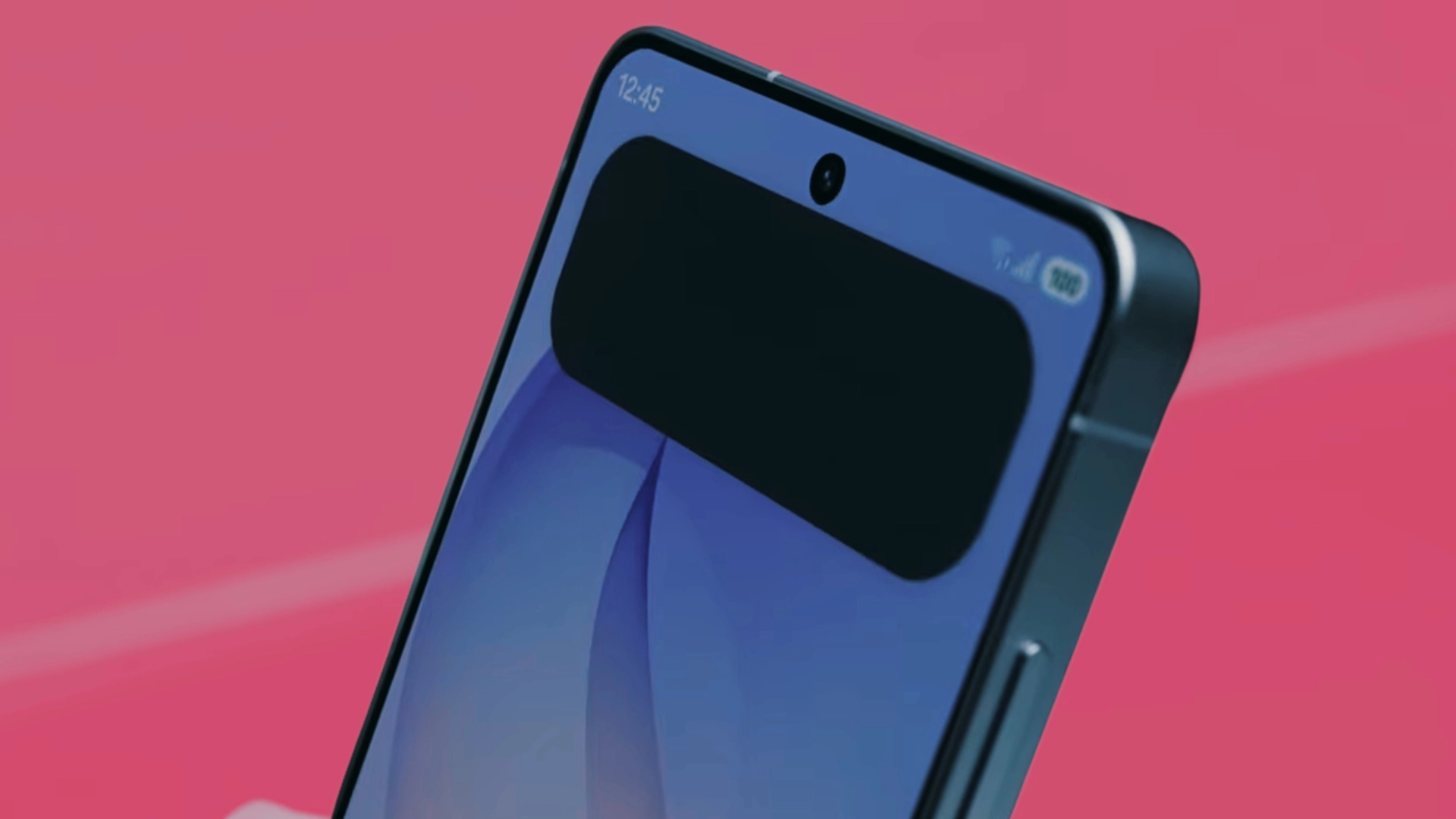
Samsung recently launched the highly anticipated Galaxy S26 Ultra, introducing a significant advancement in smartphone privacy with its new built-in Privacy Display feature. This innovation is designed to enhance user security without compromising the quality of the visual experience commonly associated with Samsung’s OLED technology.
Understanding the Technology Behind Privacy Display
The Galaxy S26 Ultra incorporates what Samsung refers to as “Flex Magic Pixel” technology. Unlike traditional privacy screen protectors that diminish screen clarity and viewing angles, this new feature is integrated directly into the phone’s pixel structure.
When the device is used in its standard mode, users enjoy the vibrant display for which Samsung is renowned. However, a simple toggle in the quick settings panel allows the screen to shift its functionality. This adjustment restricts light dispersion, effectively limiting visibility from side angles while maintaining a clear image for the user viewing the screen directly.
The User Experience and Its Benefits
Privacy concerns are increasingly relevant in today’s interconnected world. Many individuals have experienced the discomfort of trying to access sensitive information in public spaces, such as checking bank balances on flights or reading confidential emails on public transport. The Galaxy S26 Ultra addresses this issue by enabling users to activate the Privacy Display only when needed.
This on-demand privacy feature can be particularly appealing for those who often find themselves in crowded environments. Additionally, Samsung has incorporated granular controls that allow automation of this function. Users can configure the Privacy Display to activate automatically when opening specific applications, such as banking apps or work-related emails. The “Partial Screen Privacy” mode is especially noteworthy, allowing notifications like incoming texts to remain obscured while keeping the rest of the display fully visible.
Early reviews indicate that while the Privacy Display is highly effective in bright settings, it may come with minor trade-offs. Users have noted a slight decrease in peak brightness when the feature is activated, and some have observed a cooler, blueish tint in the “Maximum Privacy” mode. Despite these minor drawbacks, the overall innovation represents a substantial improvement over conventional plastic privacy filters, which tend to degrade the display quality continuously.
The Galaxy S26 Ultra is currently available for pre-order at a starting price of approximately $1,300. For consumers prioritizing both privacy and display quality, this model presents a compelling option that stands out in the competitive smartphone market.