The Rolls-Royce Trent 7000 has emerged as a leading powerplant for the Airbus A330neo, establishing a reputation as the world’s most reliable widebody engine. With its combination of cutting-edge technology, operational efficiency, and a robust support network, the Trent 7000 is a model of modern aviation engineering. In this article, we delve into its design evolution, performance metrics, and sustainability credentials, offering insights valuable to industry professionals and aviation enthusiasts alike.
Design and Technological Innovations
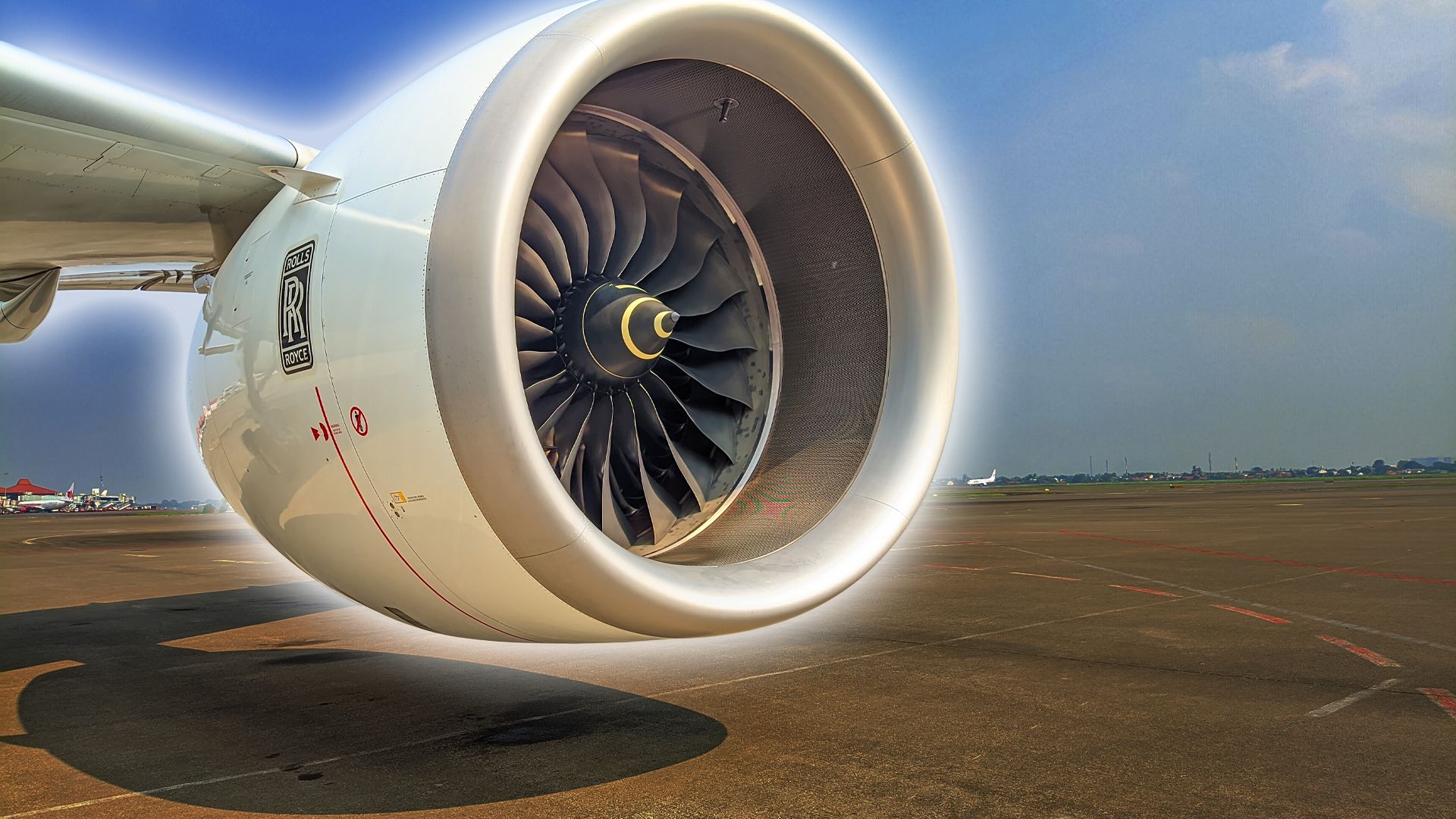
The Trent 7000 is rooted in the advanced design of the Trent XWB core and the ten-stage intermediate compressor from the Trent 1000. This engine utilizes a three-shaft architecture that allows for independent optimization of each compressor stage, enhancing efficiency and reducing mechanical stress. First unveiled at the Farnborough International Airshow in July 2014, the engine completed its first test run in November 2015 and received certification from the European Union Aviation Safety Agency (EASA) in July 2018.
With a bypass ratio of 10:1 and an overall pressure ratio of 50:1, the Trent 7000 achieves a significant improvement in fuel efficiency and noise reduction. The engine features a 112-inch (2.85 meters) hollow titanium fan, which contributes to a remarkable 14% reduction in fuel burn per seat compared to its predecessor. Despite a weight increase of 628,317 lbs (285 kg) over the Trent 700, the thermal-coated high-pressure blades and advanced turbine clearance control systems enhance stability during low power operations, improving fuel performance on short-haul flights.
Market Position and Competitive Analysis
In the current aviation market, the Trent 7000 competes against major players, with market shares of 55% for General Electric (including CFM), 26% for Pratt & Whitney, and 18% for Rolls-Royce. The Trent 7000 stands out due to its three-shaft architecture, which enables optimized performance at various operational levels. This design contrasts with two-shaft engines like the GE GEnx and the upcoming GE9X, which, while simpler to build, may lack some efficiency at part-load conditions.
The Trent 7000 also showcases advancements in fuel consumption and noise reduction. Compared to the earlier Trent 700, this engine reduces specific fuel consumption by about 11% while halving noise emissions, cutting take-off and approach levels by 6 dB. Rolls-Royce reports a dispatch reliability of approximately 99.9% since entering service, significantly reducing unscheduled removals thanks to enhanced blade coatings and health-monitoring systems.
Operators benefit from Rolls-Royce’s TotalCare program, which bundles maintenance and support services under a fixed-cost contract. This proactive approach allows airlines to forecast maintenance needs accurately, optimizing operational uptime and minimizing unexpected disruptions.
Airlines such as Vietjet Air and Cathay Pacific have reported dispatch reliability exceeding 99.9%, even as flight utilization rises above 4,500 flight hours annually.
Real-world performance data indicates that the Trent 7000 has logged over 1 million flight hours since its entry into service in late 2018. Despite initial concerns regarding availability and maintenance, Rolls-Royce has addressed these issues, reporting no in-flight disruptions and a significant reduction in maintenance hours compared to older engine models.
Sustainability and Future Developments
Environmental performance remains a cornerstone of the Trent 7000’s design. It not only complies with current CO2 and noise regulations but also offers a 14% reduction in fuel burn per seat compared to previous generation engines. Rolls-Royce has committed to certifying the Trent 7000 for 50% sustainable aviation fuel (SAF) blends, with plans for 100% SAF certification in the future.
The engine’s design incorporates features that minimize CO2 emissions per passenger while also supporting advanced recycling initiatives, recovering 98% of materials at the end of its operational life. This commitment to sustainability positions the Trent 7000 as a leading choice for airlines pursuing aggressive decarbonization targets.
Looking ahead, Rolls-Royce continues to invest over £1 billion in enhancing the operational efficiency of its Trent family. The integration of UltraFan research aims to further improve thermal efficiencies and reduce emissions. Innovations such as new coatings and additive-manufactured components are expected to enhance predictive maintenance capabilities, ensuring that the Trent 7000 remains a competitive powerplant as the aviation industry evolves.
In summary, the Rolls-Royce Trent 7000 exemplifies a successful blend of innovative design, operational excellence, and environmental responsibility, solidifying its position as a benchmark in the widebody engine market. As the aviation industry faces increasing pressure to improve efficiency and sustainability, the Trent 7000 is well-equipped to meet these challenges and support its operators well into the future.