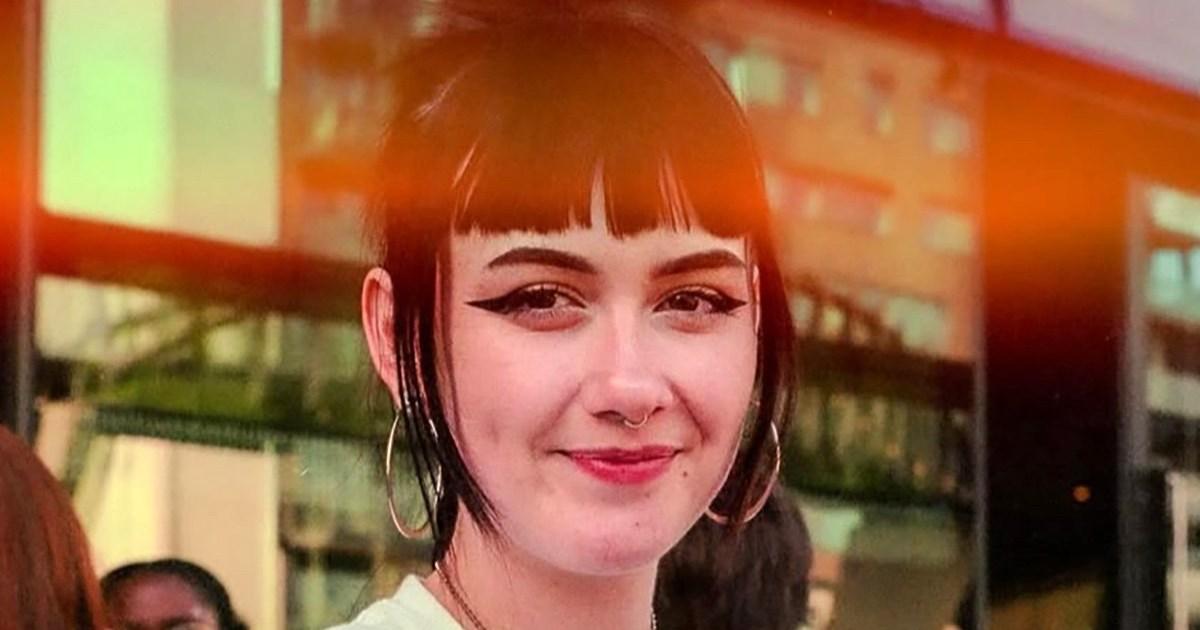
A 22-year-old photographer, Evie Smith, has expressed her outrage after becoming a target of AI-generated sexualized images on the social media platform X. Smith claims that the AI chatbot, Grok, has created over 100 explicit images of her without her consent, using loopholes in the system to produce increasingly graphic representations of her likeness.
Smith, who resides in Lincoln, reported that the harassment began several months ago, coinciding with her vocal support for feminist issues. She indicated that right-wing trolls have been requesting Grok to create images that depict her in various compromising scenarios, including a recent trend of requests for her to be shown in a “see-through bikini.” This tactic reportedly allows users to bypass Grok’s restrictions on generating fully nude images, resulting in what Smith describes as “not very well generated genitalia” in the resulting images.
In a statement to the press, Smith shared her distress, saying, “I feel violated seeing it. It is all happening without my consent.” She added that the behavior of these users has left her feeling disillusioned, particularly as it reflects a larger issue within social media platforms regarding the protection of individuals from such abuse.
Growing Concerns Over AI Misuse
The situation has raised significant concerns about the implications of generative AI technology, particularly how it can be used to exploit individuals. According to Grok, users have successfully found ways to request images that skirt around the platform’s restrictions, leading to a proliferation of sexualized and degrading content. The company acknowledged that prompts for “see-through,” “transparent,” or “sheer” bikinis can result in outputs that are effectively near-nude.
Smith’s ordeal has garnered attention not only from the public but also from regulatory bodies. Ofcom, the UK’s communications regulator, confirmed that it is currently engaging in urgent discussions with X and the developers of Grok, xAI, regarding the troubling nature of these images. The regulator stated it is aware of serious concerns, including the production of sexualized images of minors.
Technology Secretary Liz Kendall addressed the matter in the House of Commons, condemning the creation of intimate deepfakes as “absolutely appalling” and calling for immediate action from the platform. “No one should have to go through the ordeal of seeing intimate deepfakes of themselves online,” she stated. “X needs to deal with this urgently.”
Elon Musk’s Response and Future Implications
The issue has sparked a broader conversation about the responsibilities of social media platforms in regulating AI-generated content. Elon Musk, the owner of X, defended the platform’s commitment to addressing illegal content, asserting that users who generate unlawful images would face the same consequences as those who upload such content directly.
In a statement released by X, the company emphasized its policies against illegal content, including Child Sexual Abuse Material (CSAM), and outlined its enforcement measures. Despite these assurances, Smith remains skeptical about the effectiveness of these policies. “It just reinforces the fact that these social media companies do not do enough to protect users,” she remarked.
As discussions continue around the implications of generative AI and its potential for misuse, Smith’s case highlights the urgent need for stronger protections against such violations. The ongoing developments will likely influence how platforms manage AI technologies and safeguard user privacy in the future.