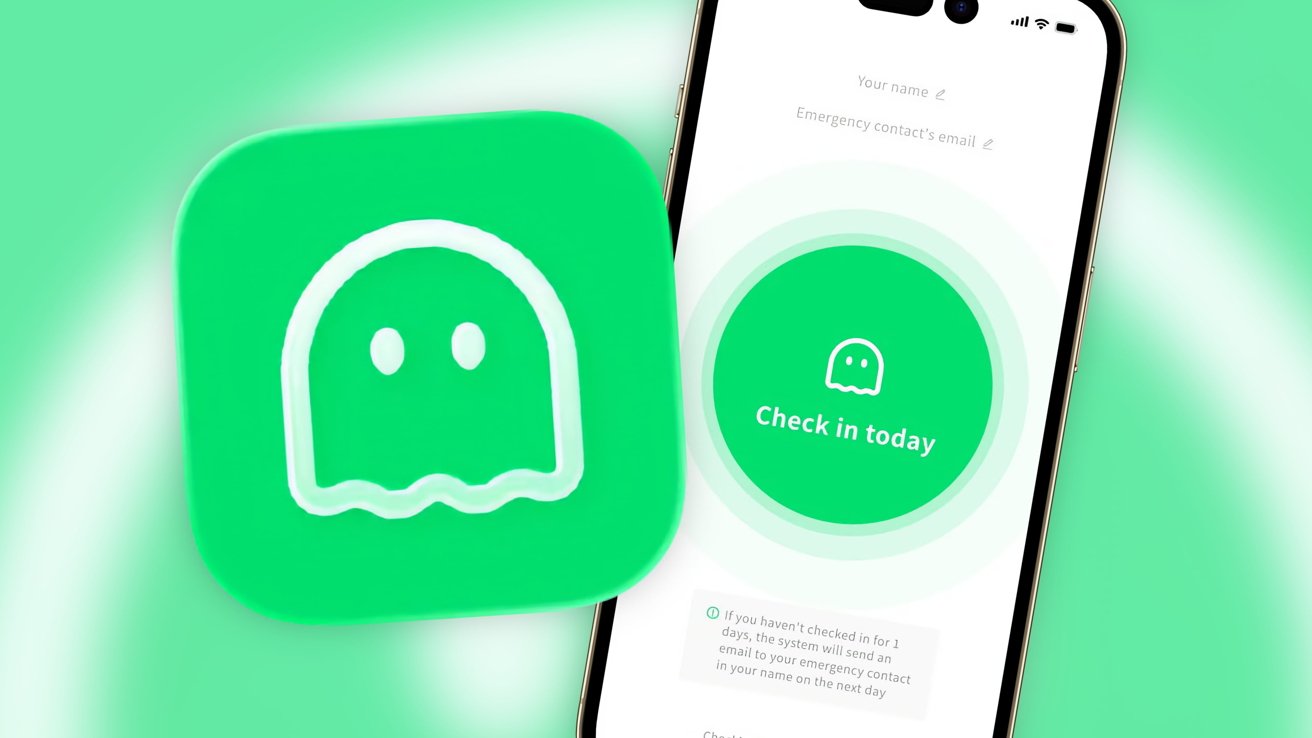
The app “Are You Dead?” has gained significant attention in China, providing a valuable service for individuals living alone. Designed as a daily check-in tool, the app alerts family members if users fail to confirm their safety each day. This innovation addresses the rising concerns surrounding loneliness and isolation, particularly in urban areas.
Launched in May 2025, the application, known locally as Si-le-ma, has quickly ascended the charts within the App Store. Its unique name, which can be translated to “Are You Dead?”, has drawn both curiosity and criticism. The app serves as a modern “dead man’s switch,” a concept that allows individuals to signal their well-being or alert others in case of emergencies.
The need for such a service underscores a troubling trend in contemporary society. While technology has made it easier to communicate, many people report feeling increasingly isolated. According to a report by BBC News, “Are You Dead?” provides a minimal yet reassuring connection for families concerned about their loved ones who live independently.
Users of the app are required to check in daily. If they fail to do so, the app automatically notifies designated contacts, ensuring that family members are informed about their status. The simplicity of the app’s functionality is one of its biggest draws, as it offers peace of mind without overwhelming users with complex features.
China’s rapidly urbanizing environment has contributed to a growing number of individuals living alone. In major cities, the phenomenon of solitary living is becoming more common, and traditional family structures are evolving. As a result, solutions like “Are You Dead?” are becoming increasingly relevant, providing a practical means of maintaining familial connections.
While some may find the app’s name unsettling, its purpose is clear: it aims to foster safety and connection. The innovative approach taken by Demumu highlights the potential for technology to address social issues in novel ways. In a world where loneliness can have serious implications for mental and physical health, this app offers a simple yet effective solution.
The app’s success has prompted discussions about the broader implications of technology in addressing emotional well-being. As more individuals recognize the importance of mental health, tools like “Are You Dead?” could pave the way for further innovations aimed at combating isolation.
In conclusion, “Are You Dead?” stands out as a crucial resource for individuals living alone in China, helping to bridge the gap between isolation and connection. As technology continues to evolve, applications that prioritize human safety and well-being will play an increasingly vital role in society.