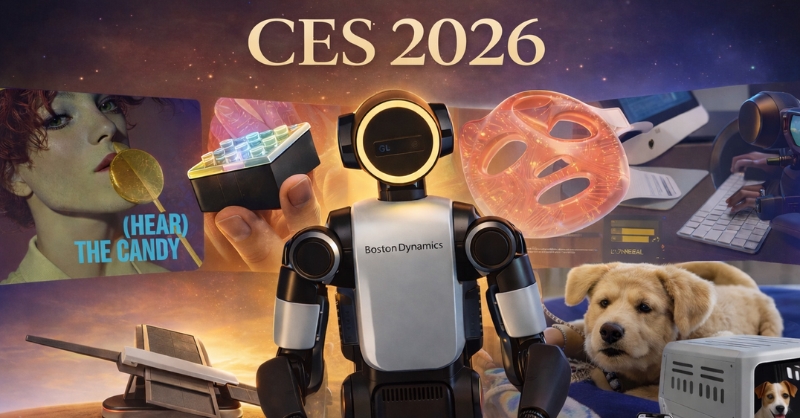
The Consumer Electronics Show (CES) 2026 showcased a remarkable array of innovations that highlight a significant shift in consumer technology. This year’s event emphasized the integration of intelligence into everyday objects, moving beyond mere computing power to create products that enhance daily life. From edible audio devices to robots designed for household chores, CES 2026 presented a blend of creativity and practicality.
Groundbreaking Innovations at CES 2026
One of the most talked-about products was the Lollipop Star, an unexpected hit at the event. This seemingly ordinary lollipop utilizes bone-conduction technology, allowing users to experience sound vibrations transmitted through the jawbone directly to their inner ear. This innovative approach provides an immersive audio experience without the need for traditional earbuds or speakers. The potential applications of this technology are vast, including accessibility enhancements and new forms of entertainment.
Another standout was Jackery’s ambitious foray into extraterrestrial technology with its Solar Mars Bot. This autonomous robot is designed to deploy and manage solar panels in extreme environments, including potential settings on Mars. While still a conceptual project, the Solar Mars Bot reflects Jackery’s vision of expanding its expertise in portable power to intelligent energy solutions, aligning with the broader trends seen at CES.
LEGO introduced its Smart Bricks, which integrate sensors and connectivity into standard LEGO elements. This advancement allows the bricks to respond to movement and interaction, enhancing play without the need for screens. Demonstrated through a themed Star Wars set, the technology fosters creativity and storytelling, potentially bridging physical play and digital interactions in educational contexts.
Robotics and Health Innovations
The evolution of pet technology was highlighted by AI Tails, which addresses a critical issue faced by pet owners: monitoring feline health. This AI-powered feeding and drinking station analyzes food intake and behaviour patterns, using machine learning to detect signs of illness. By providing insights through a user-friendly app, AI Tails positions itself as a proactive tool for pet health management.
From household chores to advanced robotics, LG unveiled its CLOiD robot, showcasing significant advancements in home automation. CLOiD is capable of performing a variety of tasks, such as cooking, laundry, and dishwashing, using sophisticated object recognition and manipulation techniques. This prototype represents LG’s commitment to creating autonomous systems that enhance the smart home experience.
In the realm of personal care, L’Oréal introduced its flexible LED Face Mask, which uses red light therapy to address skin concerns. The mask is designed for comfort, encouraging regular use, which is essential for effective skincare. Expected to launch in the coming year, this product exemplifies L’Oréal’s ongoing efforts to merge beauty with advanced technology.
CleverK9 showcased a revolutionary concept in pet care with its smart crate that includes temperature monitoring and ventilation control. This innovative design ensures pets remain safe and comfortable, particularly during travel. The crate not only serves as a housing solution but also provides alerts to owners about unsafe conditions, reflecting a growing trend in pet-focused technology.
Another intriguing product was the Gen 3 smart ring from RingConn, which offers users real-time health alerts through vibrations. This proactive approach to health monitoring signifies a shift in wearable technology from passive data collection to immediate feedback, allowing users to respond to biometric changes promptly.
The emotional connection between humans and technology was highlighted by Tombot’s lifelike robotic puppy, Jennie. Designed for companionship, particularly for seniors facing loneliness or anxiety, Jennie mimics the behaviours of a real pet while providing comfort without the responsibilities associated with live animals. This innovation reflects a broader trend towards creating technology that prioritizes emotional well-being and human interaction.
Lastly, Boston Dynamics announced the upcoming production of its redesigned Atlas humanoid robot. This shift from research to industrial deployment marks a significant milestone in robotics. The new Atlas, featuring enhanced efficiency through electric systems, is designed for structured environments, such as factories, where it can assist with physically demanding tasks.
Overall, CES 2026 emphasized a transformative approach to technology, where innovation merges seamlessly with everyday life. The diverse array of products unveiled serves as a testament to the evolving landscape of consumer technology, promising exciting possibilities for the future.