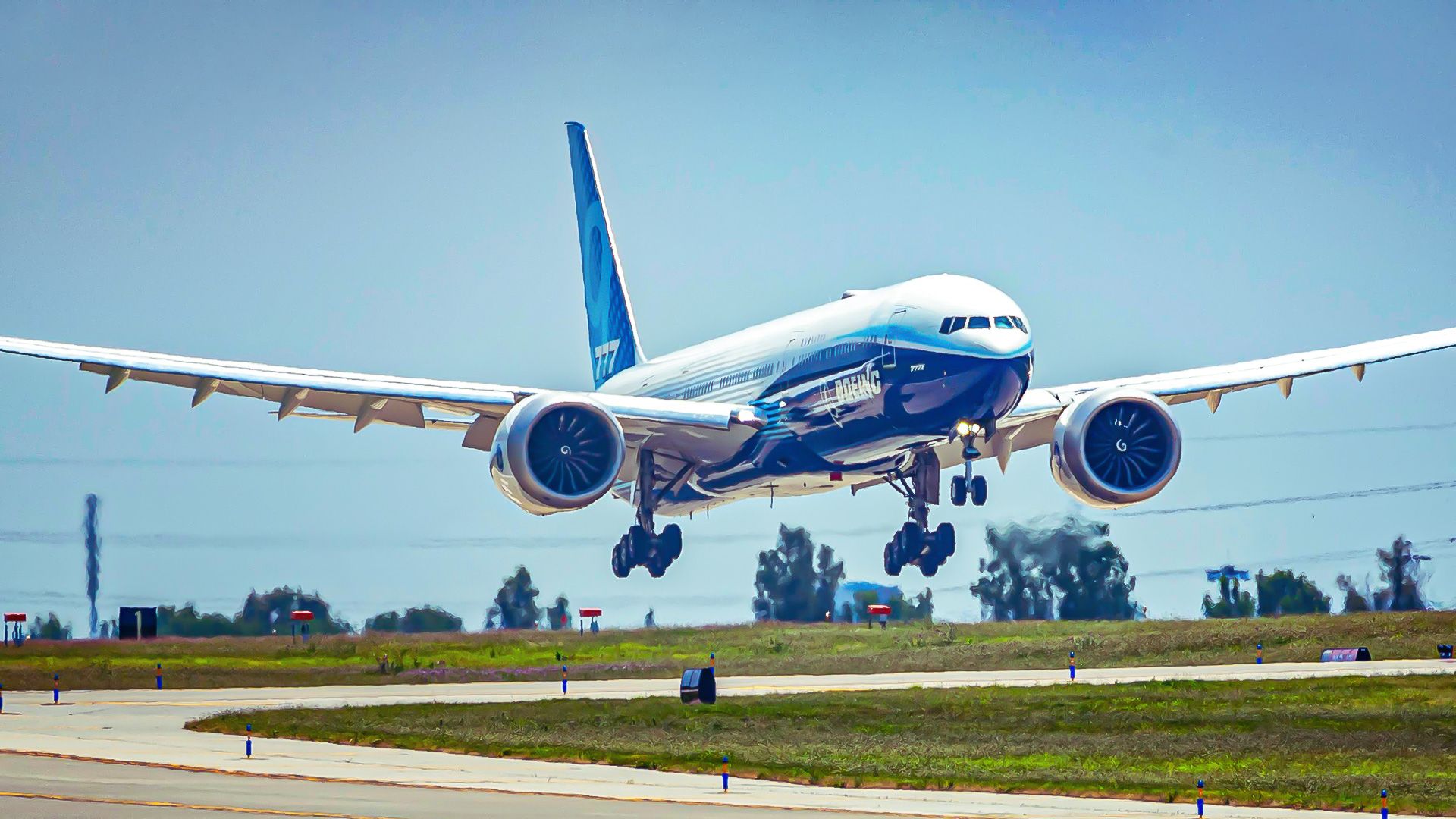
Boeing’s long-awaited 777X aircraft program faces significant delays, with the first deliveries now set for 2027. Despite already producing at least 26 units of the 777X, the company has decided that these early-built aircraft will not be the first to enter service. Instead, Boeing plans to prioritize newer models that meet evolving production standards. This strategy aims to streamline the delivery process and minimize further setbacks.
The 777X program has experienced setbacks since its inception, with the initial certification date originally projected for 2020. As of now, the aircraft remains in the certification process, which is expected to culminate in FAA approval within the next couple of years. The 777X is poised to be the largest twin-engine commercial airliner, offering airlines a remarkable combination of range and passenger capacity, making it ideal for long-haul operations.
Production Challenges and Current Status
Recent reports from The Seattle Times indicate that a total of 32 Boeing 777X aircraft are currently parked at Paine Field, Washington. These aircraft are in various stages of production, with some already allocated for testing and certification. The assembly of the 777X has been a complex process, with Boeing utilizing four specific airframes for certification purposes, ensuring they can undergo extensive testing.
Boeing’s decision to manufacture several aircraft prior to certification is not unprecedented. The company adopted a similar strategy during the development of the 787 Dreamliner. The rationale behind this approach is twofold: it allows Boeing to conduct necessary flight tests and promotional activities while also mitigating delivery delays. The company estimates that having pre-built aircraft ready will save at least six months of production time post-certification.
Strategic Shift in Delivery Plans
Boeing’s Vice President of Commercial Marketing, Darren Hulst, confirmed that the oldest 777X aircraft will not be delivered first. Instead, newer models produced to the latest production standards will take precedence. This change is necessary given the minor design modifications that have emerged during the certification process. For instance, in 2024, Boeing identified issues with the thrust links of its test aircraft, leading to a temporary grounding for redesign.
This proactive delivery strategy ensures that airlines receive aircraft that meet the final certified standards, eliminating the need for subsequent modifications and reducing the risk of operational disruptions. Customers like Lufthansa, expected to be the launch customer with 27 firm orders, will benefit from this approach.
Boeing has faced numerous challenges throughout the development of the 777X. The impacts of the COVID-19 pandemic, alongside internal scrutiny following the 737 MAX incidents, have heightened regulatory pressures and necessitated a thorough examination of safety protocols. These factors, combined with ongoing technical issues related to the GE9X engines, have contributed to the extensive delays.
Despite these hurdles, the 777X remains a critical component of many airlines’ future fleet strategies. Once certified, it is expected to offer significant advancements in fuel efficiency and passenger comfort, providing a valuable asset for carriers looking to modernize their fleets.
Boeing anticipates an initial production rate of three to five aircraft per month, with plans to deliver to airlines including Emirates, which has ordered 270 777X units, and Qatar Airways with 124 orders. As the company navigates the final stages of certification, the aviation industry watches closely, eager for the debut of this next-generation widebody aircraft.