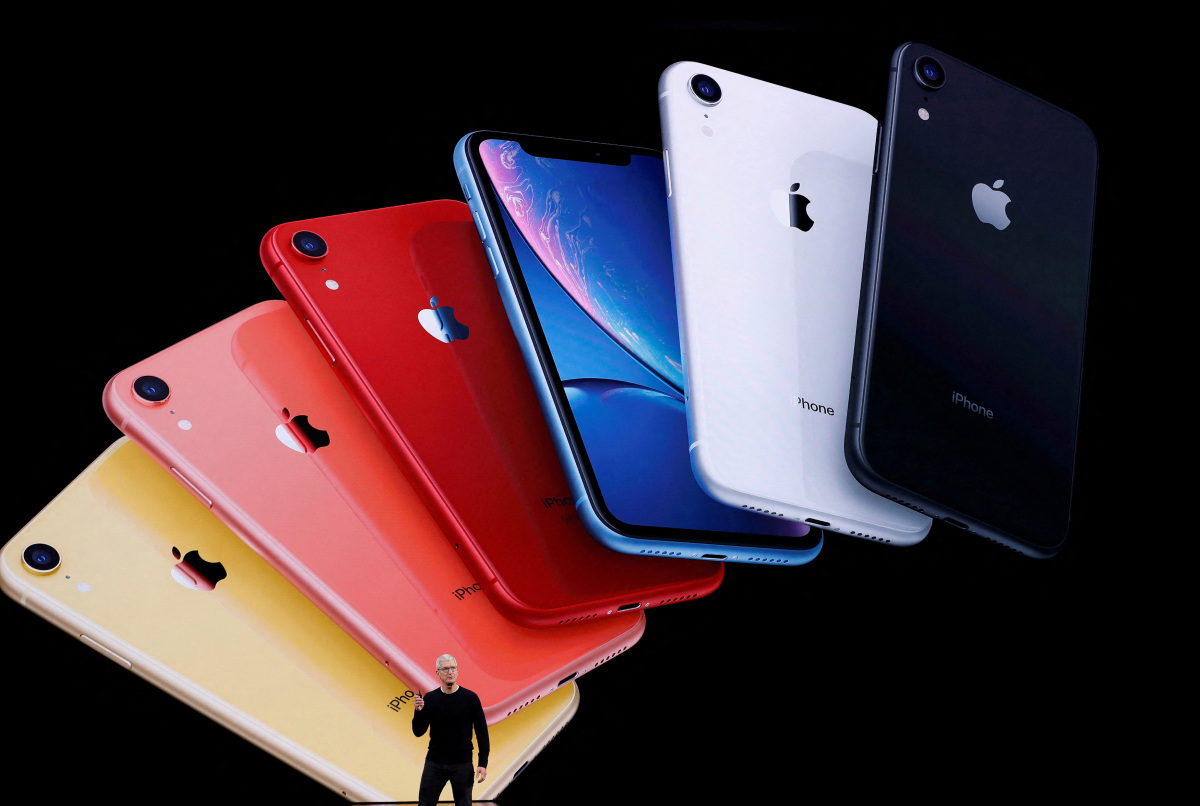
Apple has officially updated its vintage device list, marking the iPhone 11 as one of the models transitioning into this new lifecycle phase. As of March 2026, users of the iPhone 11 will encounter limitations on repairs and support services, reflecting Apple’s policy on older devices. This update signifies a significant shift for many consumers who have relied on this once-popular smartphone.
What Vintage Status Means for Users
Once a device is classified as vintage, as is now the case with the iPhone 11, Apple ceases all technical assistance for that model. This policy also means that certified technicians can no longer order new components for repairs. Apple defines vintage products as those that have been off the market for more than five years but less than seven years. As a result, the iPhone 11, which was released in September 2019, has officially reached this threshold.
While vintage devices may still receive repairs if parts are available, the reality is that once supplies run out, these models become effectively obsolete. Devices that have been out of circulation for over seven years are categorized as obsolete, leading to a complete halt in hardware repairs globally.
Implications for Repair Options
For users still relying on vintage devices like the iPhone 11, the challenges can be significant. Apple has stopped providing genuine components needed for repairs, which affects everything from battery replacements to screen repairs. If a user requires assistance for an obsolete model, their only option may be to seek help from independent repair shops that utilize non-Apple parts or components sourced from other used devices.
This approach allows Apple and its certified repair shops to focus on maintaining current hardware as new technology emerges. As older generations of devices are phased out, accessing support becomes increasingly difficult for consumers. Users are advised to check where their devices stand on Apple’s vintage and obsolete lists to understand what official support, if any, remains available.
Currently, the list of devices categorized as vintage includes several models, while those deemed obsolete have no official support. This systematic approach ensures that Apple’s resources are dedicated to newer products, making it crucial for users to consider upgrading if they depend on their devices for daily use.
As Apple continues to evolve its product lineup, the transition of the iPhone 11 into vintage status serves as a reminder of the rapid pace of technological advancement and the importance of staying informed about device support options.