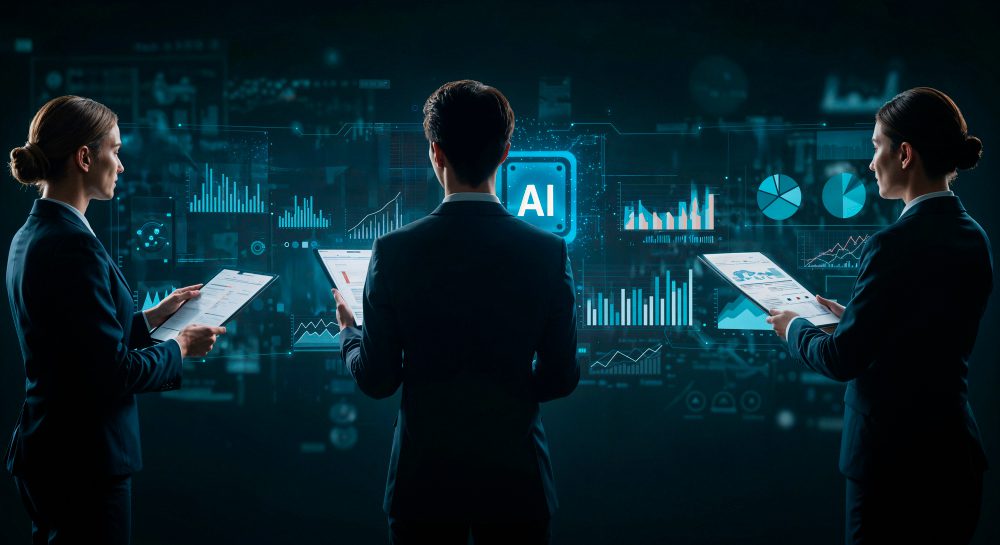
Artificial Intelligence (AI) is reshaping digital marketing, transforming how brands engage with customers and optimize their visibility. The integration of AI across various marketing channels—including search engine optimization (SEO), content creation, and paid advertising—has become essential for businesses aiming to maintain a competitive edge. Companies that embrace these innovations are not only enhancing their marketing strategies but also improving performance metrics significantly.
AI’s Influence on SEO Strategies
The landscape of SEO has undergone significant changes due to AI advancements. Search engines now utilize machine learning algorithms to comprehend user intent, context, and behavior, moving beyond simple keyword matching. This evolution has altered how content is assessed and ranked.
AI-driven algorithms evaluate factors such as dwell time, user engagement, and semantic relevance to determine the quality of content. Consequently, modern SEO is focused less on technical manipulation and more on delivering authentic value to users. Content creators must provide clear and comprehensive answers to user inquiries, aligning closely with search behaviors.
AI tools assist marketers in identifying ranking opportunities by analyzing search trends and competitor performance. Predictive insights enable brands to create content proactively, adjusting strategies before rankings decline. Additionally, automation in technical SEO—such as site audits and error detection—enhances both efficiency and accuracy.
Transforming Content Creation and Optimization
Content creation has witnessed one of the most pronounced impacts from AI. While AI cannot fully replace human creativity, it significantly enhances research, structure, optimization, and scalability. AI-assisted tools can generate topic ideas, optimize headlines, and analyze content for readability, tailoring it to specific audience segments.
The personalization capabilities of AI are particularly noteworthy. Brands can now provide dynamic content experiences based on user behavior, preferences, and intent, leading to increased engagement and improved conversion rates. Many organizations are collaborating with content marketing agencies, particularly in regions like Dubai, to merge AI insights with human expertise, ensuring that content remains both authentic and optimized for performance.
AI also plays a crucial role in maintaining content relevance. By recommending updates to existing pages, businesses can ensure long-term SEO value and sustained rankings.
AI’s impact extends into paid media, where automation has become increasingly prevalent. Platforms such as Google Ads and various social media networks now rely on machine learning to streamline bidding, targeting, and ad placements. AI analyzes user behavior in real time to display the most pertinent advertisements to the appropriate audience at optimal moments.
This shift reduces the amount of manual guesswork involved in campaign management. AI-driven automation prioritizes performance metrics such as conversions and engagement rather than mere clicks or impressions. A significant advantage is the ability to identify and rectify issues before they lead to campaign failures. AI can detect underperforming creatives and audience fatigue early on, allowing marketers to adjust their strategies promptly, which enhances return on ad spend and minimizes budget wastage.
The reliance on AI presents several strategic benefits across digital marketing channels. These include improved accuracy in audience targeting, faster decision-making through real-time data processing, enhanced personalization in content and advertising, and predictive insights that inform long-term strategies. As businesses leverage these advantages, they can scale their marketing efforts while maintaining consistency and performance.
While AI offers powerful tools for marketing, it is essential to strike a balance between automation and human insight. Successful strategies combine AI-driven data with human creativity, emotional intelligence, and strategic thinking. AI excels in pattern recognition and optimization, but human marketers provide vital context, storytelling, and brand voice. Over-reliance on automation without appropriate oversight risks leading to generic messaging or misaligned campaigns.
As AI technology continues to evolve, its influence on digital marketing is expected to intensify. Innovations such as voice and visual search, predictive content delivery, and hyper-personalized advertising are becoming increasingly mainstream. Search engines and advertising platforms will reward brands that prioritize user experience, relevance, and trust.
Investing in AI-driven marketing today positions businesses for long-term growth. By adopting smarter tools and data-driven strategies, brands can navigate a rapidly changing digital landscape. AI is not merely changing the methods of marketing; it is redefining what effective marketing looks like. Organizations that understand and harness AI’s potential are poised to lead the next era of digital success.