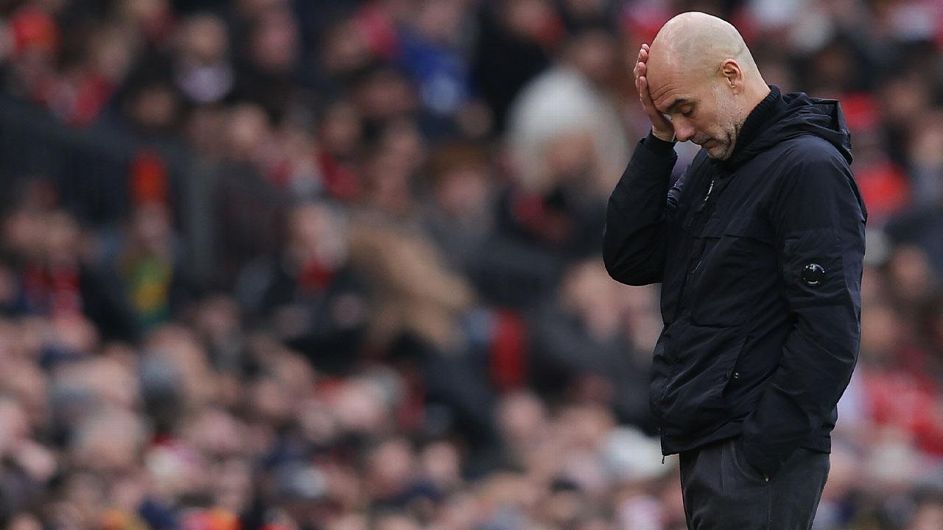
In a highly charged Manchester derby on October 29, 2023, controversy surrounded a challenge by Manchester United defender Diogo Dalot on Manchester City’s Jérémy Doku, raising questions about the adequacy of the Video Assistant Referee (VAR) system in the Premier League. The incident occurred just ten minutes into the match, which ended with Manchester United securing a 2-0 victory.
Referee Anthony Taylor showed Dalot a yellow card for what he deemed a reckless challenge, a decision later confirmed by VAR official Craig Pawson. The challenge caught Doku high on the knee, prompting discussions among fans and analysts about whether a red card would have been a more appropriate sanction.
The key incident unfolded when Dalot arrived late to challenge Doku, leading to significant concern over the nature of the contact. Taylor’s initial decision was based on the live assessment of the situation, during which he categorized the challenge as reckless rather than dangerous. This perspective played a crucial role in the VAR review process.
Pawson, reviewing the footage, faced the challenge of determining whether the contact was excessive or merely glancing. Ultimately, he chose not to advise Taylor to reconsider his decision, as he felt the evidence did not warrant an on-field review. This decision, however, has prompted debate about the effectiveness of VAR in addressing potentially dangerous plays early in a match.
Critics argue that Dalot’s challenge was not only late but also concerning in terms of player safety. The challenge’s timing and context — occurring in a high-stakes derby — added to the complexity of the decision-making process. Many feel that such infractions should carry a heavier penalty to deter reckless behavior on the pitch.
The incident is part of an ongoing discussion regarding the standards of officiating in the Premier League, particularly concerning the application of VAR. With the technology in place to assist referees, the expectations for accuracy and consistency have increased substantially. As VAR continues to be a source of contention, this incident highlights the need for clearer protocols and perhaps a reevaluation of how player safety is prioritized in the decision-making process.
As the dust settles from the derby, the conversation surrounding Dalot’s challenge will likely persist, serving as a reminder of the fine line referees must navigate in their roles. Whether the decision to issue a yellow card will be viewed as a correct one in the long run remains to be seen, but it has certainly sparked vital discussions about the future of officiating in football.