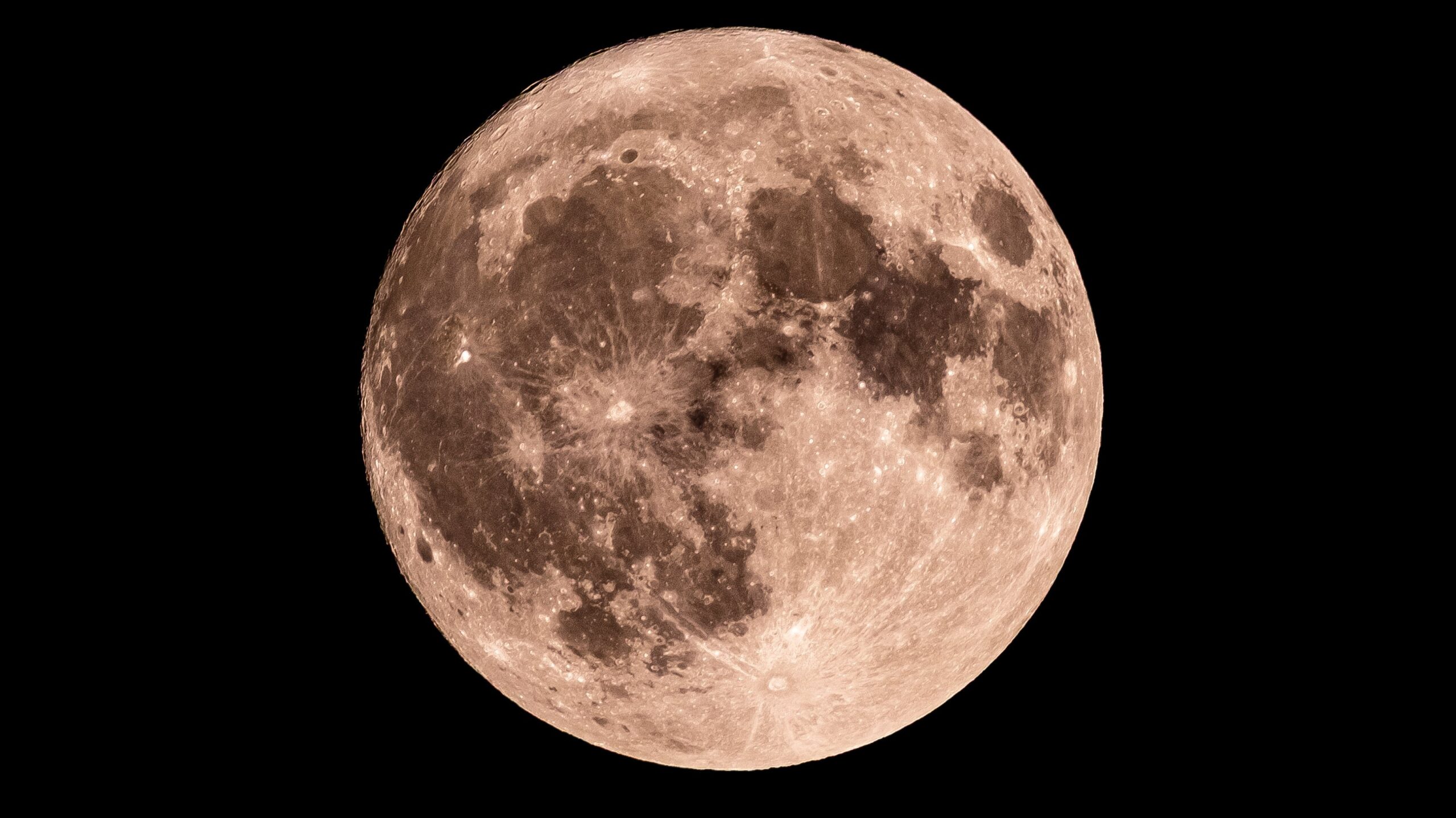
As of January 4, 2024, the Moon is in the Waning Gibbous phase, with approximately 98.6% of its surface illuminated. This phase follows the Full Moon, indicating that the Moon will gradually diminish in brightness each night as it approaches the New Moon.
Understanding Moon Phases
Moon phases are a result of the Moon’s orbit around the Earth, which takes about 29.5 days to complete a full cycle, known as the lunar cycle. During this period, the visible portion of the Moon changes due to the varying angles of sunlight striking its surface. According to NASA, the Moon always presents the same side to Earth, but the amount of reflected light alters throughout the cycle.
The lunar cycle consists of eight primary phases:
– **New Moon**: The Moon is positioned between the Earth and the Sun, rendering it invisible to the naked eye.
– **Waxing Crescent**: A small sliver of light appears on the right side in the Northern Hemisphere.
– **First Quarter**: Half of the Moon is illuminated on the right side, resembling a half-moon.
– **Waxing Gibbous**: More than half is lit, but it is not yet full.
– **Full Moon**: The Moon’s entire face is illuminated, making it fully visible.
– **Waning Gibbous**: The illumination begins to decrease on the right side.
– **Third Quarter (or Last Quarter)**: Another half-moon, but now the left side is lit.
– **Waning Crescent**: A thin sliver of light remains on the left side before the Moon goes dark again.
Upcoming Lunar Events
Looking ahead, the next Full Moon is set to occur on February 1, 2024. Each phase of the Moon has its own significance and influence, often noted in various cultures and traditions around the world.
Understanding these lunar phases not only enriches one’s appreciation of the night sky but also serves as a reminder of the dynamic nature of our celestial neighbor. Whether for scientific purposes or personal interest, the Moon continues to captivate observers across the globe.