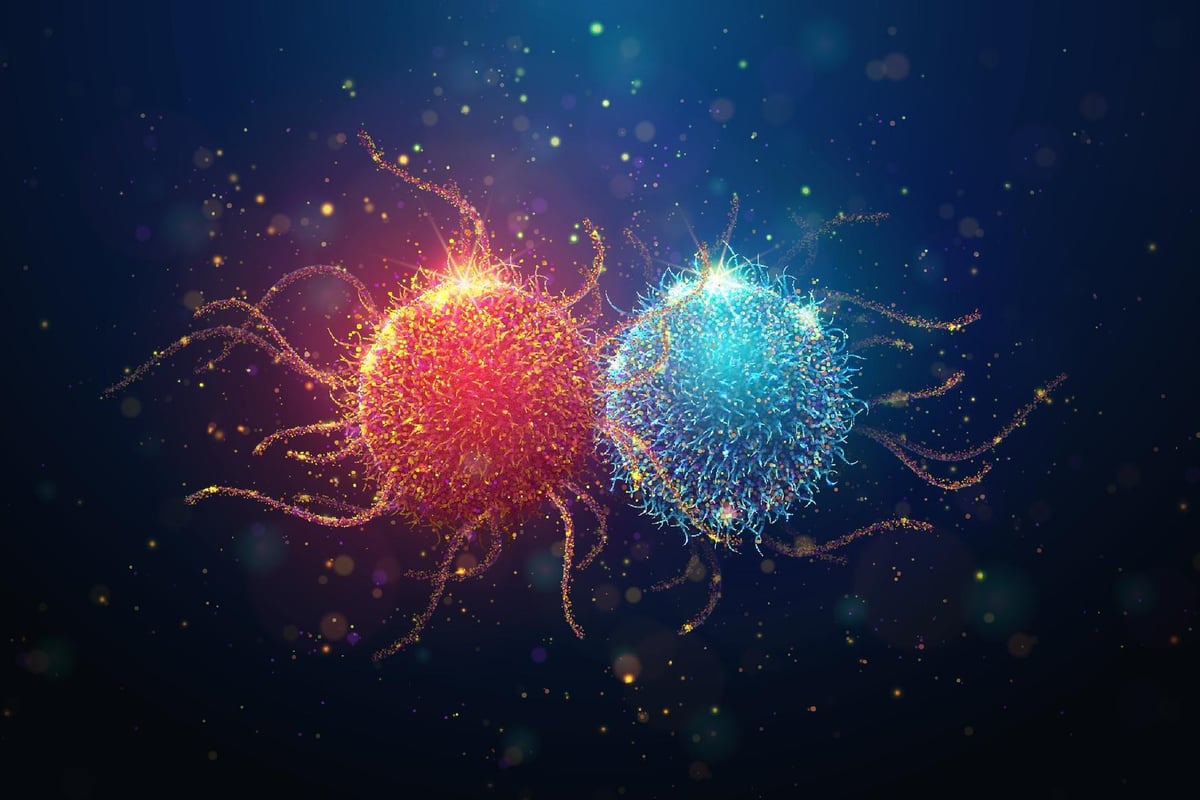
Scientists at the University of Glasgow have developed a technique that could significantly enhance the effectiveness of cancer-fighting cells, known as T-cells. This innovative approach aims to revive these cells, which often become “exhausted” during prolonged battles against tumors. The findings, published in a recent study, suggest a promising avenue for improving cancer treatments.
The research team, in collaboration with Cancer Research UK, focused on understanding the mechanisms behind T-cell exhaustion. They discovered that certain pathways within these immune cells could be manipulated to restore their functionality. By targeting these pathways, the scientists found they could reinvigorate T-cells, potentially enabling them to mount a stronger defense against cancer.
This breakthrough has significant implications for cancer therapies. Traditional treatments often struggle to maintain the effectiveness of T-cells, leading to a diminished response over time. The ability to enhance these cells could pave the way for more effective immunotherapies, providing new hope for cancer patients worldwide.
Research Methodology and Key Findings
The study utilized advanced techniques in immunology to analyze T-cell behavior in various environments. The researchers applied specific inhibitors that modulate the exhaustion pathways. Their findings revealed that the revitalized T-cells not only showed increased proliferation but also enhanced cytotoxic activity against cancer cells.
According to Dr. Anna Smith, lead researcher at the University of Glasgow, “Our study indicates that we can effectively rejuvenate T-cells, which could be crucial for improving patient outcomes in cancer therapy.” This statement highlights the potential for clinical applications, where revitalized T-cells could be integrated into existing treatment protocols.
The implications of this research extend beyond theoretical frameworks. If clinical trials validate these findings, the enhanced T-cells could become a standard component of immunotherapy treatments, potentially benefiting thousands of patients.
Future Directions and Clinical Applications
The research team is now preparing for the next phase, which involves conducting clinical trials to test the efficacy of the rejuvenated T-cells in patients undergoing cancer treatment. They anticipate that initial trials might begin as early as 2024, pending regulatory approvals.
The potential commercial applications of this research are also noteworthy. Pharmaceutical companies could explore partnerships to develop therapies based on these findings, potentially leading to innovative treatments that could change the landscape of cancer care.
This research exemplifies the ongoing efforts within the scientific community to combat cancer more effectively. By focusing on the immune system’s capabilities, scientists are redefining how cancer treatments can be approached, emphasizing the importance of restoring natural defenses rather than solely relying on external therapies.
As the study progresses, the involvement of organizations like Cancer Research UK will be vital in facilitating further research and ensuring that promising discoveries translate into real-world solutions for patients battling cancer. The outcome of this research could very well mark a significant step forward in the fight against this pervasive disease.