Tonight, January 13, skywatchers can observe the Moon in its Waning Crescent phase. As the lunar cycle progresses toward its conclusion, only 24% of the Moon will be illuminated. This phase marks a gradual reduction in visibility, leading to complete darkness by the next New Moon on January 29.
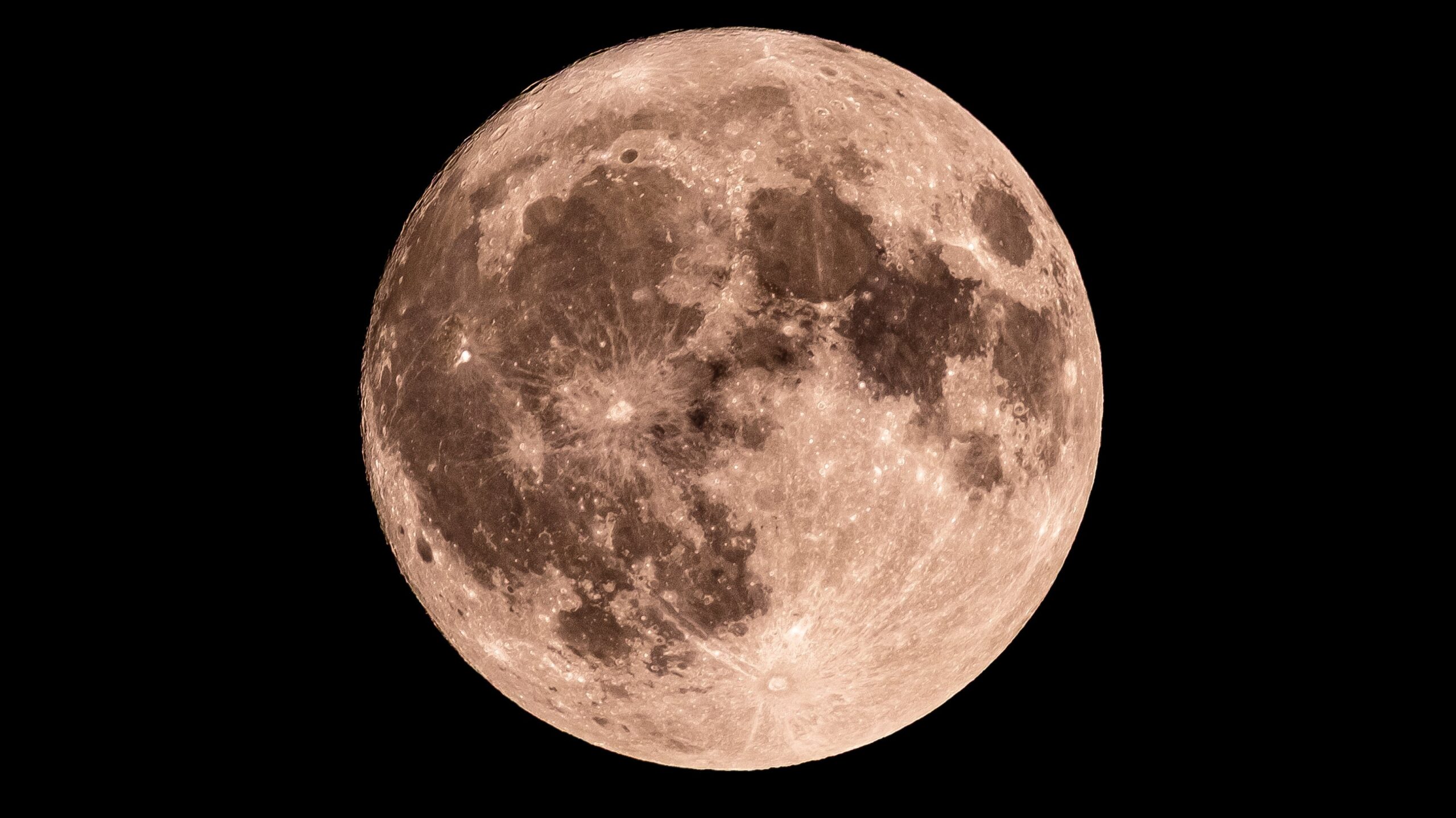
For those eager to catch a glimpse of the lunar features, viewing opportunities remain accessible. Even without specialized equipment, observers can spot prominent features such as the Kepler Crater and the expansive Oceanus Procellarum. For enhanced visibility, a pair of binoculars can reveal additional details, including the Grimaldi Basin and the Mare Humorum. Those equipped with a telescope will enjoy an even richer experience, potentially viewing the Apollo 12 landing site and the Schiller Crater.
Understanding Lunar Phases
The Moon’s phases result from its orbit around Earth, which takes approximately 29.5 days to complete. During this period, the Moon transitions through eight distinct phases, each characterized by varying degrees of illumination based on its position relative to Earth and the Sun. The eight phases include:
– **New Moon**: The Moon is positioned between Earth and the Sun, rendering it invisible from our perspective.
– **Waxing Crescent**: A small crescent of light appears, growing larger on the right side in the Northern Hemisphere.
– **First Quarter**: Half of the Moon is illuminated, presenting a classic half-Moon appearance.
– **Waxing Gibbous**: More than half of the Moon is lit, approaching fullness.
– **Full Moon**: The entire face of the Moon is illuminated and fully visible.
– **Waning Gibbous**: The illumination begins to decrease from the right side.
– **Third Quarter (or Last Quarter)**: Another half-Moon, but this time the left side is lit.
– **Waning Crescent**: A thin crescent remains illuminated on the left before the Moon becomes dark again.
According to NASA, the shifting illumination is due to the angle of sunlight hitting the Moon as it orbits Earth. This consistent cycle has captivated humanity for centuries and remains a source of fascination for amateur astronomers and casual observers alike.
Upcoming Lunar Events
Looking ahead, the next full Moon will occur on February 1, following the recent full Moon on January 3. As lunar enthusiasts gear up for future observations, the current Waning Crescent phase provides an excellent opportunity to engage with the night sky, whether through telescopes, binoculars, or simply by observing with the naked eye.
These celestial events highlight not only the beauty of our natural world but also the intricate dynamics of our solar system. Whether you are a seasoned astronomer or a curious newcomer, tonight’s Moon offers a chance to connect with the cosmos.