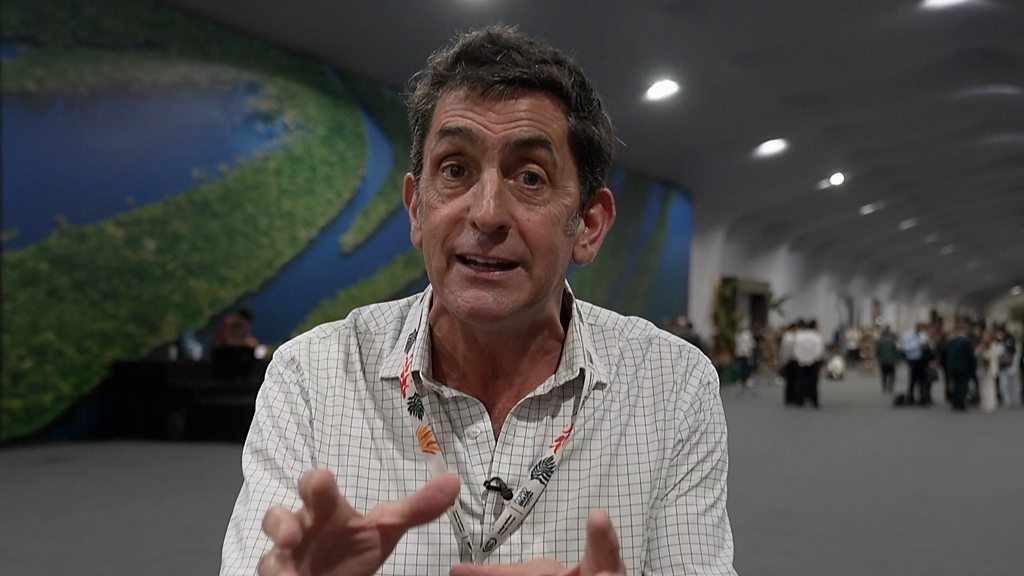
The 30th Conference of the Parties to the United Nations Framework Convention on Climate Change (COP30) wrapped up on December 15, 2023, in Dubai, United Arab Emirates. Delegates from nearly 200 countries gathered to negotiate and assess commitments to combat climate change. The discussions centered around ambitious targets aimed at limiting global temperature rise and enhancing climate resilience.
The conference showcased a mix of optimism and skepticism regarding the outcomes. Many participants praised the progress made in drafting new international agreements, while others questioned the feasibility of the commitments established. The focus was primarily on enhancing the implementation of the Paris Agreement, which aims to keep global temperature increases well below 2ºC above pre-industrial levels.
One of the most notable announcements came from the United Nations Secretary-General, António Guterres, who emphasized the urgency of immediate climate action. He stated, “We are at a critical juncture. The world needs to step up investment in renewable energy and sustainable practices.” His remarks underscored the pressure on nations to transition away from fossil fuels and invest in green technologies.
Key Outcomes and Pledges
During the two-week event, several countries presented new pledges to enhance their climate commitments. For instance, Germany announced a funding boost of €2 billion for climate adaptation projects in Africa, aiming to support vulnerable communities facing the impacts of climate change. Similarly, Canada committed to reducing emissions by 40% from 2005 levels by 2030, a target that aligns with the global push for more stringent environmental regulations.
Other notable discussions included the establishment of a global carbon market, which aims to facilitate trade in carbon credits among countries. This initiative is designed to help countries achieve their emissions targets more efficiently. While some delegates expressed support for this approach, concerns were raised about the potential for loopholes that could undermine the overall effectiveness of the climate agreements.
The importance of financial support for developing nations was also a significant theme at COP30. Many representatives highlighted the need for developed countries to fulfill their pledge of providing $100 billion annually to assist developing nations in their climate efforts. This funding is crucial for enabling poorer countries to adopt sustainable practices and mitigate the effects of climate change.
Challenges Ahead
While the conference concluded with a sense of progress, the path forward remains challenging. Critics argue that many of the commitments made lack enforceability and could lead to insufficient action. David Attenborough, the renowned broadcaster and environmentalist, voiced this concern, stating, “It is imperative that nations act decisively and transparently; mere promises will not save our planet.”
The urgency of the situation was echoed by scientific reports released prior to the conference. According to the latest findings from the Intergovernmental Panel on Climate Change (IPCC), global temperatures are projected to rise by as much as 3ºC by the end of the century if current trends continue. This alarming prediction has heightened the stakes for immediate and effective action from world leaders.
As governments return home, the real challenge lies in translating the commitments made at COP30 into tangible actions. The next conference, COP31, is scheduled for November 2024 in Cairo, Egypt, where participants will reconvene to assess progress and set further goals.
In conclusion, COP30 in Dubai marked a significant moment in the global fight against climate change. While ambitious targets were set, achieving these goals will require sustained effort and cooperation among nations. The clock is ticking, and the world is watching closely as commitments turn into actions in the coming years.