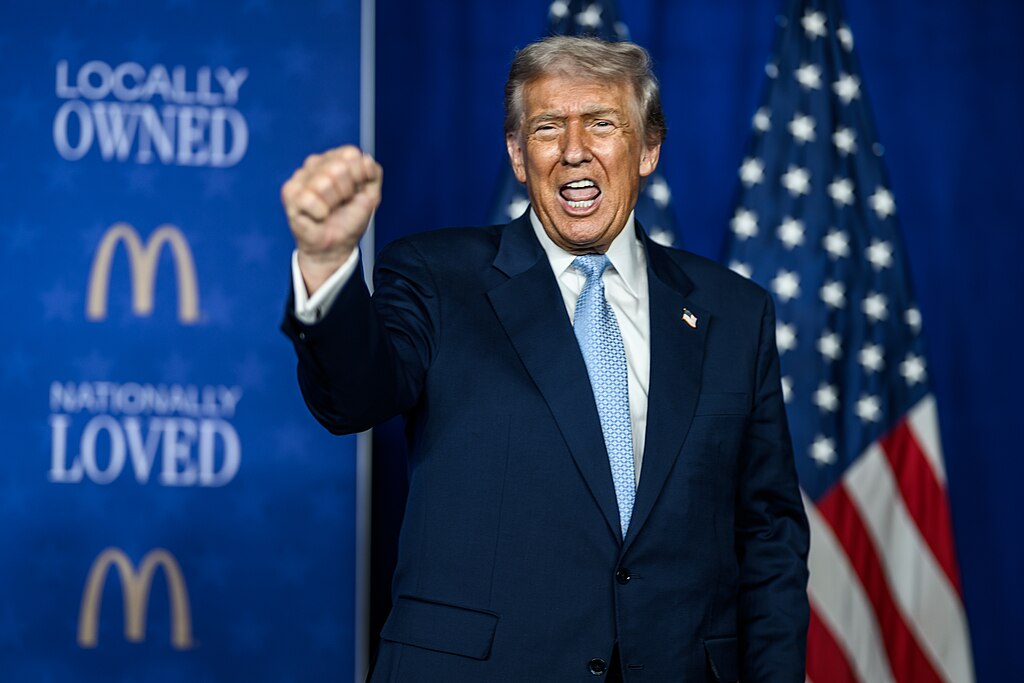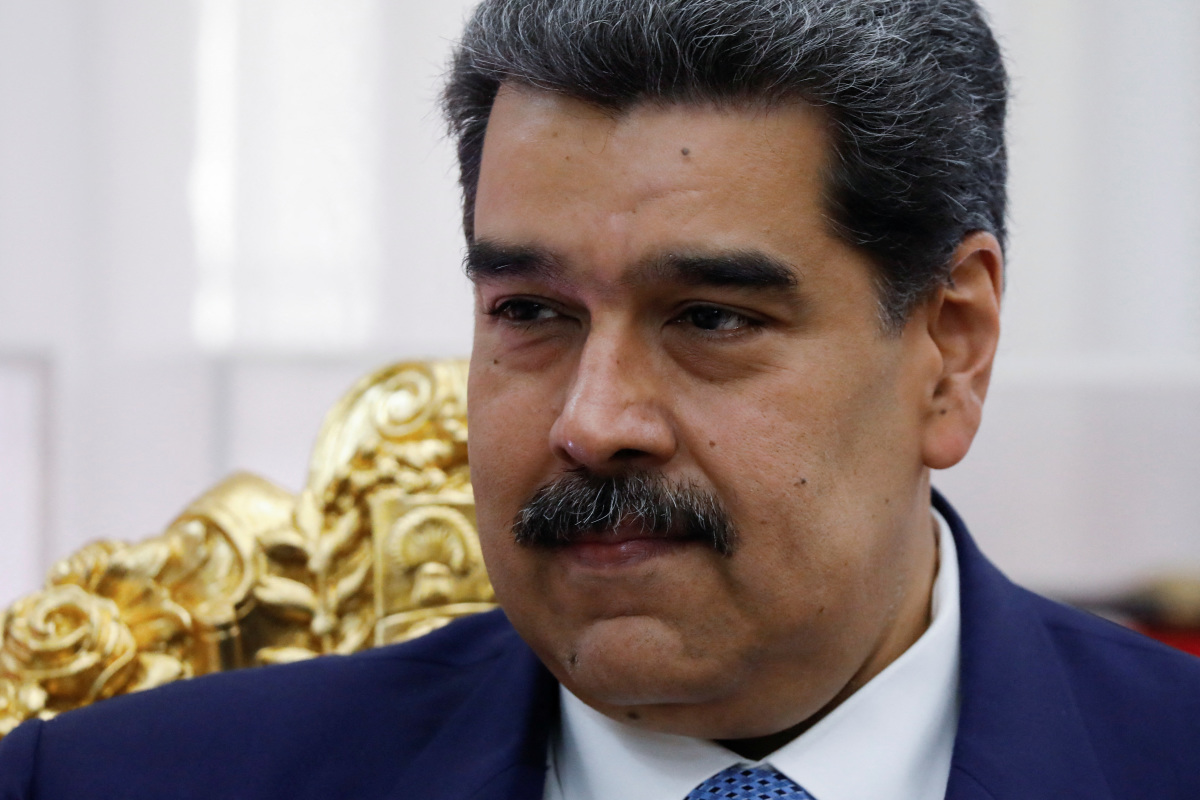
In a dramatic escalation of military engagement, the United States conducted a military operation in Venezuela during the early hours of January 3, 2026. This operation resulted in the capture of President Nicolás Maduro and his wife, with President Donald Trump announcing the details shortly thereafter on social media. The operation marks a significant shift in U.S. policy towards Venezuela, moving from targeted strikes against drug trafficking to direct action against the country’s leadership.
Explosions were reported across Caracas and several other areas, indicating the intensity of the military campaign. Trump’s post on Truth Social proclaimed that the U.S. had executed a “large scale strike” against Maduro and confirmed their capture. Verified video footage from the region showed the chaos following the strikes, with smoke rising and sounds of explosions echoing throughout the night.
Venezuela’s acting Vice-President Delcy Rodríguez responded swiftly on state media, demanding “proof of life” for Maduro and his wife, whose current status remains unconfirmed. Reports indicated that many streets in Caracas were eerily quiet, with local power outages contributing to an atmosphere of uncertainty.
Background to the Military Action
This sudden military strike was the culmination of several months of increased pressure by the U.S. on Venezuelan leadership. Since August 2025, the U.S. had been ramping up military operations in the Caribbean, deploying warships and thousands of troops. This operation, referred to as Operation Southern Spear, initially targeted drug trafficking routes and vessels. The land strike in Venezuela marked an unprecedented development, following air and naval strikes against alleged drug trafficking operations.
Critics of the operation have raised concerns regarding its legality under U.S. law, questioning whether Congress was properly consulted prior to such extensive military engagement, as required by the War Powers Resolution.
Venezuelan officials reacted defiantly to the U.S. operation. Defence Minister Vladimir Padrino López denounced the action as “the most criminal military aggression,” accusing the U.S. of seeking regime change to exploit Venezuela’s natural resources. The Venezuelan government called on its citizens to resist what it termed “imperialist aggression” and urged them to mobilize in defense of the nation.
International Reactions and Implications
The international community has been quick to respond to the developments in Venezuela. Countries such as Cuba and Iran have condemned the U.S. military action, while neighboring governments express concern over the potential destabilization of the region. The Organisation of American States and the United Nations have been urged to convene emergency sessions to address the escalating tensions.
In Colombia, officials have expressed deep concern over the reports of explosions and unusual military activity in Venezuela. The Colombian government is closely monitoring the situation, recognizing the risks associated with direct military intervention in the region.
As the situation unfolds, analysts warn that the capture of Maduro could provoke violent reactions from loyalist militias and irregular forces within Venezuela. The Venezuelan government has repeatedly stated its commitment to defending its sovereignty, potentially mobilizing reserve militias organized under the Bolivarian Militia program.
The coming weeks will be critical in determining whether this military action marks the beginning of a longer conflict. The potential for a Venezuelan counter-response or a broader escalation in hostilities could significantly impact relations within the Western Hemisphere. This incident represents not just a military operation but possibly the opening act of a much more complex chapter in U.S.-Latin American relations.