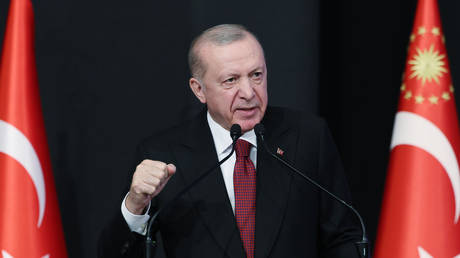
Turkey’s aspirations regarding nuclear capabilities have recently gained significant attention as President Recep Tayyip Erdogan signals a potential shift in the country’s strategic posture. Ankara warns that a selective approach to Iran’s nuclear ambitions could trigger a regional arms race, fundamentally altering the security landscape of the Middle East. The situation is complex and charged, as Turkey navigates a path where deterrence might become the only viable strategy.
Historically, discussions around Turkey’s nuclear ambitions have lingered in strategic circles, but recent developments have intensified this dialogue. The Middle East is increasingly characterized by competition and insecurity, prompting Turkey to reconsider its defense posture. Turkey’s foreign policy has evolved from a cautious approach to one that actively engages in regional conflicts, mediating in crises such as the ongoing situation in Ukraine and the recent conflict in Gaza.
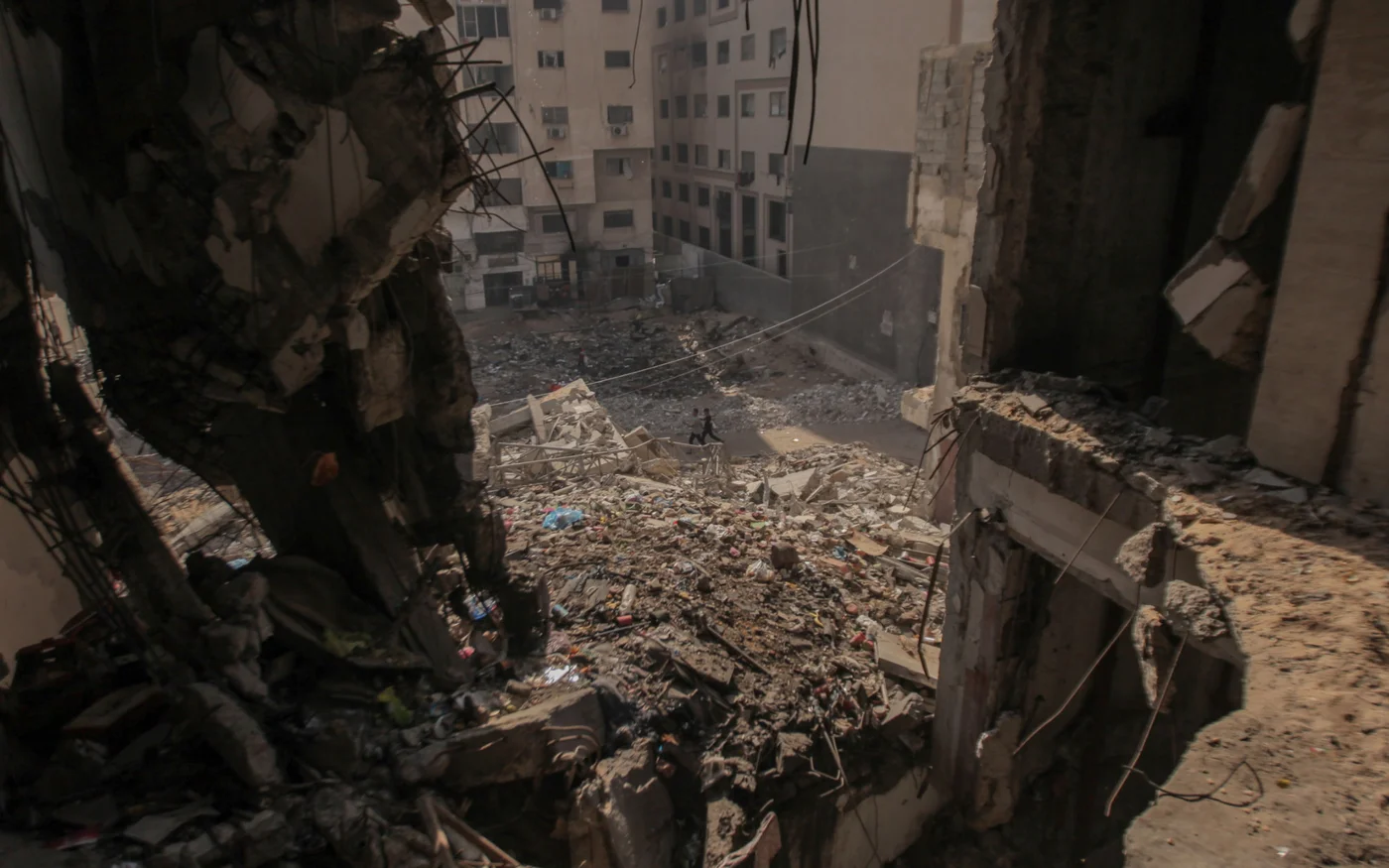
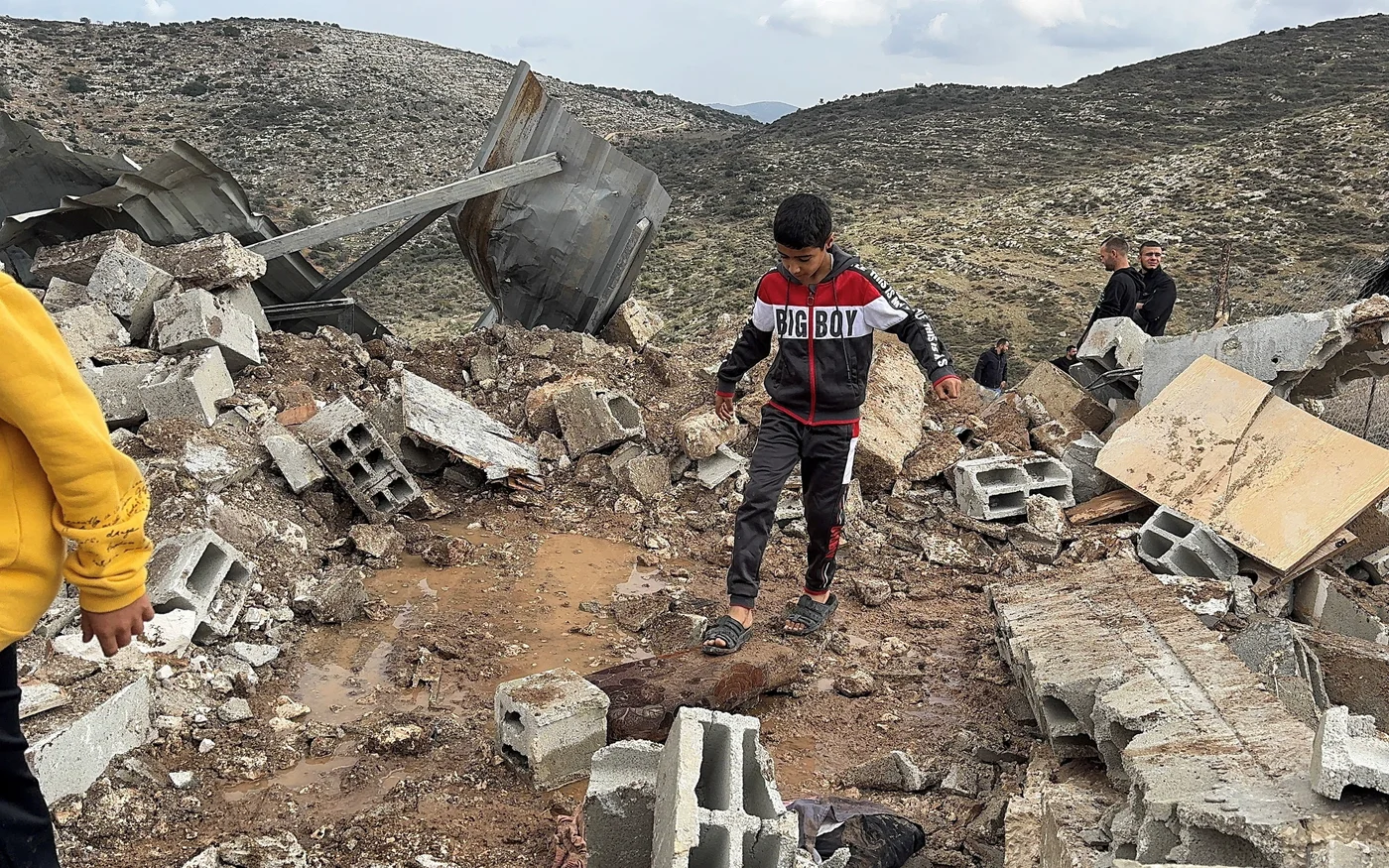
Erdogan’s foreign policy narrative emphasizes an international order that he deems unjust, famously stating that “the world is bigger than five,” referring to the United Nations Security Council. This sentiment reflects a growing frustration with perceived double standards in nuclear policy, particularly regarding states like Israel, which is widely believed to possess nuclear weapons without formal acknowledgment. Erdogan’s criticisms have heightened following the violence in Gaza that erupted in March 2023, where he called attention to Israel’s nuclear capabilities and questioned the inconsistency in global enforcement of nuclear regulations.
The crux of the matter lies in Turkey’s perception of a fractured security architecture in the region. With the United States and Israel increasing pressure on Iran, Turkish leaders have cautioned that should Iran advance its nuclear capabilities, it could prompt neighboring countries, including Turkey, to pursue similar paths. Erdogan has positioned Turkey as a mediator advocating for de-escalation, emphasizing diplomatic solutions over military intervention.
The implications of Turkey pursuing nuclear capabilities are substantial. Should Turkey decide to develop nuclear weapons, it could trigger a destabilizing arms race in the region. The current dynamics suggest that if nuclear capability becomes synonymous with security, states in the Middle East may feel compelled to follow suit. The notion of possessing nuclear weapons as a deterrent could lead to a precarious security environment, where miscalculations are likely, and conventional conflicts could escalate rapidly.
Turkey’s advancement toward nuclear capability would not be a straightforward endeavor. As a signatory to the Nuclear Non-Proliferation Treaty, Turkey would face significant political and economic repercussions should it pursue an overt weapons program, including potential sanctions and isolation from global trade networks. The country is intricately linked to international markets, and any significant shift in its nuclear policy would have far-reaching consequences.
Despite these challenges, Turkey possesses foundational elements necessary for a civil nuclear program. The nation’s investment in nuclear engineering and technology, highlighted by the Akkuyu Nuclear Power Plant project in collaboration with Russia, demonstrates Turkey’s commitment to developing a nuclear infrastructure. The presence of domestic resources, such as uranium and thorium, further positions Turkey as a state capable of transitioning from peaceful nuclear activities to a more ambiguous weapons posture if it chooses.
Turkey’s nuclear ambitions have the potential to reshape the geopolitical landscape, not only in the Middle East but also in Europe. A nuclear-armed Turkey would alter the balance of power and challenge the existing frameworks that govern its relationships with Western allies. Traditionally, Turkey has navigated its position within NATO and maintained economic ties with Europe, yet acquiring nuclear weapons could shift this dynamic, granting Ankara greater autonomy and influencing its regional behavior.
Furthermore, discussions surrounding potential nuclear arrangements among Middle Eastern states, particularly between Pakistan and Saudi Arabia, indicate a shifting strategic dialogue. Saudi Arabia’s leaders have hinted at the possibility of developing their own nuclear capabilities if Iran were to succeed in acquiring a bomb. This evolving narrative underscores the urgency of the situation, as regional powers consider their security options in a landscape increasingly defined by uncertainty.
The urgency of Turkey’s nuclear conversation is both a warning and a call to action for the international community. As regional tensions escalate and the traditional rules of engagement appear to falter, it is essential to restore credibility to non-proliferation efforts. The challenge lies in addressing the asymmetries that fuel Turkey’s grievances while ensuring that all nations feel secure without resorting to nuclear arms.
In conclusion, Turkey’s nuclear aspirations reflect broader trends in a rapidly changing geopolitical landscape. The potential for a nuclear-armed Turkey raises critical questions about regional security and the future of international non-proliferation efforts. As Ankara navigates its options, the implications for stability in the Middle East and beyond cannot be overstated. The international community’s response will determine whether the region can avoid a catastrophic arms race and maintain a semblance of order in an increasingly volatile environment.