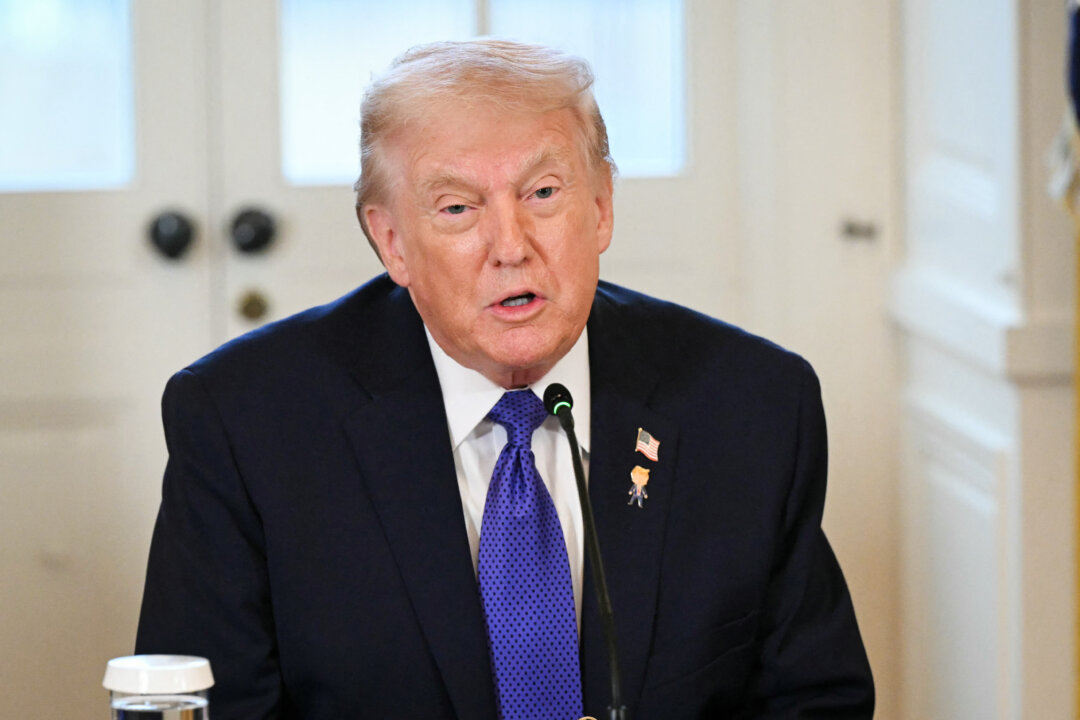
On January 16, 2024, President Donald Trump indicated that he may impose tariffs on countries that oppose the United States’ plan to acquire Greenland. Speaking during a rural health roundtable at the White House, Trump emphasized the importance of Greenland for national security. His remarks came amid ongoing discussions between U.S. and Danish officials regarding the proposed acquisition.
“I may put a tariff on countries if they don’t go along with Greenland,” Trump stated, highlighting the administration’s commitment to securing the territory. This statement underscores a significant shift in diplomatic strategy as the U.S. seeks to solidify its interests in the Arctic region.
U.S.-Danish Discussions Intensify
The comments by President Trump follow a meeting held on January 14, 2024, between U.S. officials and their Danish counterparts. Vice President JD Vance and Secretary of State Marco Rubio met with Lars Lokke Rasmussen, Denmark’s Foreign Minister, and Vivian Motzfeldt, Greenland’s Foreign Minister, to discuss the potential acquisition. This high-level dialogue reflects the growing U.S. interest in Greenland, which has strategic military significance and valuable natural resources.
Despite the contentious nature of the proposal, the discussions aim to clarify the U.S. intentions and explore mutual benefits. Analysts suggest that Greenland’s vast mineral resources and its strategic location in the Arctic could greatly enhance U.S. interests in the region.
Implications of Tariffs on International Relations
The prospect of tariffs introduces a new layer of complexity to U.S.-Danish relations. If implemented, such tariffs could strain ties with countries that might express disapproval of the acquisition. The implications extend beyond trade, potentially affecting geopolitical alliances and partnerships.
The idea of leveraging tariffs as a diplomatic tool is not without precedent. Previous administrations have utilized trade measures to influence foreign policy. However, Trump’s approach may provoke backlash from allies and adversaries alike, raising questions about the long-term impact on international cooperation.
As the situation develops, the responses from Denmark and other nations will be closely monitored. The outcome of these discussions could set a significant precedent for U.S. dealings in the Arctic and beyond, influencing future diplomatic and trade relationships.
With the U.S. administration signaling a firm stance, the focus now shifts to how other nations will react to this proposal and its potential consequences for global trade practices. The conversation surrounding Greenland is likely to remain a focal point in international relations in the coming months, as both sides navigate the complexities of this unfolding situation.