President Donald Trump‘s administration has announced a comprehensive review of thousands of refugee cases in Minnesota. The initiative, launched by the Department of Homeland Security (DHS) and U.S. Citizenship and Immigration Services (USCIS), aims to conduct new background checks and verify refugee claims. This effort, referred to as Operation PARRIS—which stands for “post-admission refugee reverification and integrity strengthening”—began in mid-December.
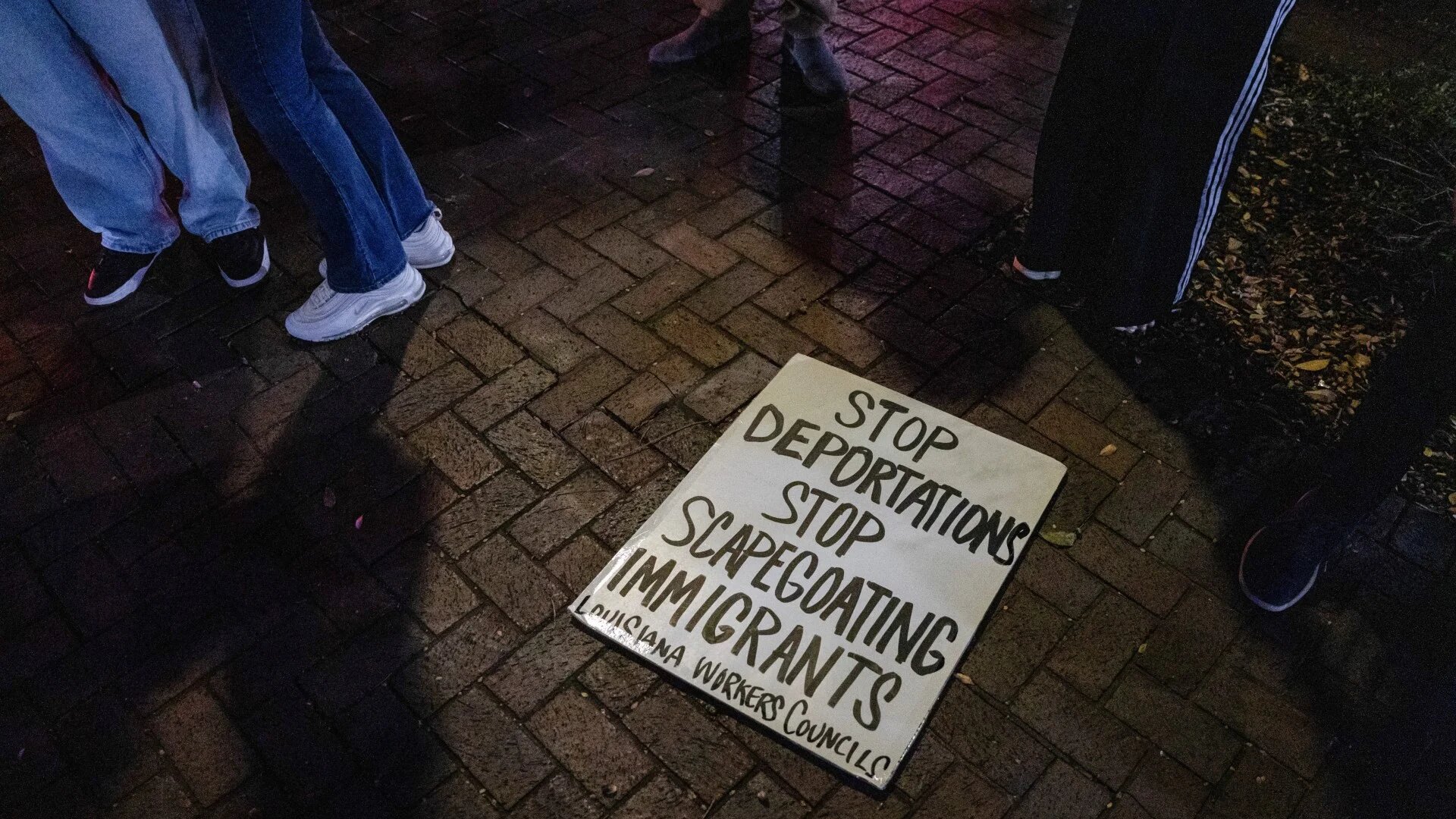
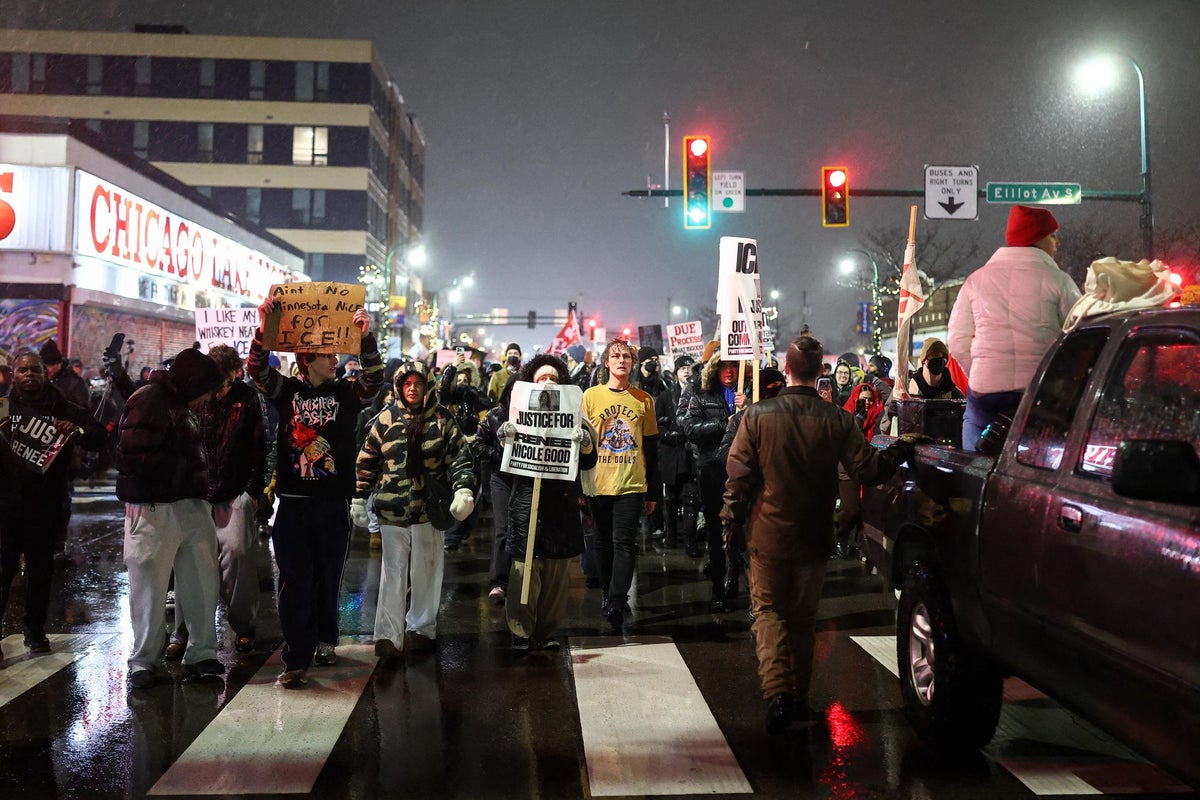
The announcement coincided with a violent incident in Minneapolis, where an Immigration and Customs Enforcement (ICE) agent, identified as Jonathan Ross, fatally shot Renee Nicole Good, a 37-year-old woman. This incident has ignited protests not only in Minneapolis but also in cities such as Boston, New York, and Washington, D.C.. Following the shooting, DHS Secretary Kristi Noem confirmed that ICE operations would continue in the area.
Focus on Refugee Verification
Operation PARRIS will initially concentrate on the approximately 5,600 refugees in Minnesota who have yet to obtain lawful permanent resident status, often referred to as Green Cards. According to the DHS statement, officials have begun referring cases to ICE as part of this initiative. A DHS official described Minnesota as “ground zero for the war on fraud,” highlighting the administration’s focus on the state amidst a growing fraud scandal that has persisted for years.
The Trump administration has increasingly targeted Minnesota due to allegations of fraudulent activities connected to its refugee population. In a statement, a DHS spokesperson emphasized, “This operation in Minnesota demonstrates that the Trump administration will not stand idly by as the U.S. immigration system is weaponized by those seeking to defraud the American people. American citizens and the rule of law come first, always.”
Many individuals charged in connection with these fraud cases are of Somali descent, leading Trump to assert that Somali immigrants have “ripped off that state.” He has previously used derogatory language regarding Somali immigrants, further intensifying the controversy. Minnesota is home to the largest Somali community in the United States, with most individuals of Somali descent in the country being U.S. citizens, according to data reviewed by the Minnesota Reformer.
Local Responses and Community Impact
Local officials, including Minnesota Governor Tim Walz, have criticized the rhetoric employed by Trump and his allies. Walz remarked, “You commit fraud in Minnesota, you’re going to prison. I don’t care what color you are, what religion you are. Anybody who wants to help us in that, we welcome that.” He further condemned the demonization of entire populations, asserting that such actions undermine the safety and security of the state.
As the review of refugee cases unfolds, the implications for Minnesota’s Somali population and broader refugee community remain uncertain. With ongoing protests and heightened scrutiny from federal authorities, the situation in Minnesota reflects broader national debates surrounding immigration, security, and community integrity.
The administration’s actions are likely to continue drawing attention as they navigate the complex landscape of refugee verification and public sentiment in the coming months.