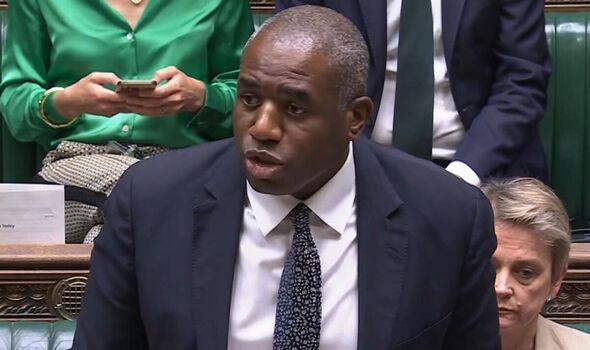
In a recent statement, Stewart Douglas, a prominent advocate for housing reform, emphasized the urgent need for government subsidies to support self-build housing projects. This call comes against the backdrop of rising housing costs and a growing demand for affordable housing options in the UK.
Douglas believes that providing direct financial assistance to self-builders can significantly enhance the accessibility of home ownership for many individuals and families. According to his analysis, self-build initiatives not only empower citizens to take control of their housing situations but also stimulate the local economy by creating jobs and supporting local businesses.
Financial Impact of Self-Build Initiatives
The self-build housing sector has been gaining traction over the past few years, with many potential homeowners seeking alternatives to traditional housing markets. Douglas pointed out that, as of March 2024, the cost of purchasing a home in the UK has surged, making it increasingly difficult for first-time buyers to enter the market. He argues that targeted subsidies could alleviate this burden, allowing more people to participate in self-build projects.
Research indicates that self-build homes can be 20% cheaper than conventional properties. This cost difference is primarily due to reduced overhead expenses and the ability for builders to tailor their projects to their financial capacities. Douglas suggests that government-backed financial support could be structured as low-interest loans or grants, making it easier for aspiring self-builders to finance their projects.
Broader Implications for Housing Policy
The implications of Douglas’s proposal extend beyond individual homeowners. He argues that increasing the availability of self-build homes can address the broader housing crisis facing the UK. With a shortage of affordable housing options, many communities are experiencing increased pressure on their local resources. By encouraging self-build projects, local governments can help alleviate some of these challenges.
In addition to financial support, Douglas advocates for streamlined regulations to make the self-build process more accessible. Current bureaucratic hurdles often deter interested individuals from pursuing their projects. Simplifying these regulations could further enhance the attractiveness of self-build housing as a viable option for home ownership.
In conclusion, Stewart Douglas’s call for government subsidies highlights a critical opportunity to reshape the housing landscape in the UK. With rising prices and a pressing need for affordable homes, direct support for self-builders could be a pivotal step toward creating a more inclusive housing market. As discussions surrounding this issue continue, the potential for self-build initiatives to transform the housing sector remains significant.