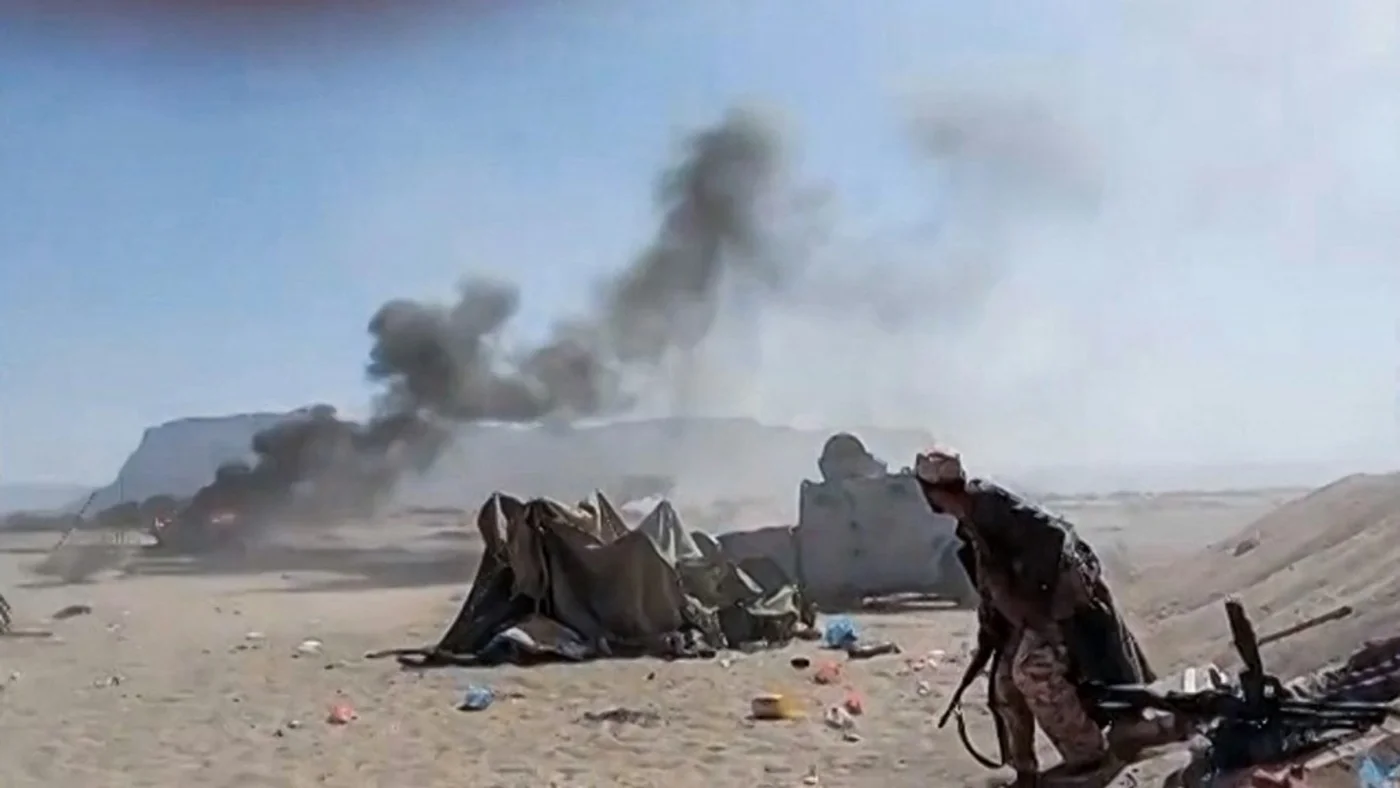
The recent military strike by Saudi Arabia against Iran-backed forces in Yemen has ushered in a significant shift in the political landscape of the Red Sea region. This incident is not merely a tactical engagement; it represents a critical turning point that underscores the fragility of alliances built over the last decade. The Saudi attack highlights the disintegration of a structure that operated under the misconception that chaos could be managed without repercussions for those perpetuating it.
This military action stems from a stark realization: maintaining a weakened Yemen fosters armed groups that threaten to transform Saudi Arabia’s southern border into a persistent point of vulnerability. This situation mirrors the challenges faced by southern borders with Yemen and northern borders in relation to Iran. Rather than a show of strength, the strike signals deep-seated fears regarding previously reliable instruments of influence becoming future threats.
The implications for the United Arab Emirates (UAE) are profound. The strike has exposed a critical strategic weakness. Unlike other regional powers with historical significance and demographic depth—such as Cairo or Baghdad—the UAE lacks the symbolic capital necessary to project enduring influence. Its reliance on indirect control through ports, maritime routes, and private security has proven effective during a period of regional instability but may falter as exhausted states begin to reclaim their sovereign capacities.
In this evolving context, the UAE faces a pressing dilemma: how to respond to this military action. It must consider whether it can retain its role as a shadow player in a landscape that increasingly demands direct involvement. The Red Sea has transformed from a mere maritime corridor into a battleground for power redistribution, with various regional actors vying for control.
Israel is not seeking to occupy the Red Sea but rather aims to undermine Arab sovereignty in the region. This strategy has created a “sea of indecision,” characterized by indirect military bases and fragile alliances with states seeking protection rather than agency. Concurrently, Iran seeks to leverage instability to its advantage, employing the Houthis and other factions as tools to exert pressure on Gulf states.
With the backdrop of these geopolitical maneuvers, Israel’s recent actions reflect a calculated approach to reshape the dynamics of the Red Sea. Control over the Bab al-Mandeb Strait is crucial; whoever controls this vital waterway can dictate shipping routes and apply pressure on regional players. Modern conflicts are increasingly waged through recognition, logistics, and the establishment of influence networks, often disguised as counterterrorism efforts or investment.
Israel’s overarching strategy does not aim to directly dismantle Arab states but rather to erode their sovereign capacities, transforming them into fragmented entities reliant on external powers. This model is evident in the Israeli approach to various territories, which seeks to create functional units that operate without traditional statehood. The emphasis on normalization with certain Arab states has integrated them into an Israeli-led security framework, wherein roles as funders or intermediaries are distributed.
As the UAE connects these fragmented regions to Israeli interests, traditional Arab powers like Egypt, Algeria, and Syria struggle to assert their influence. The potential for continued military escalation in Yemen looms, which may lead to broader regional confrontations threatening vital shipping routes and prompting Egypt to bolster its involvement in safeguarding the Suez Canal and surrounding corridors.
In light of these developments, Egypt faces significant challenges. The division of Sudan, the instability in Libya, and the concession of strategic islands such as Tiran and Sanafir contribute to a precarious situation. These factors severely limit Egypt’s ability to maintain its historical role as a regional stabilizer, compelling it to seek new alliances or enhance international security presence to ensure stability in the Red Sea.
The current circumstances mark a crucial transition from a Middle East where crises were merely managed to one where territorial control and sovereignty are actively contested. As various powers vie for influence, the consequences of failing to fill the existing vacuum are becoming increasingly apparent. The harsh reality is that those who neglect to secure their interests may find their positions usurped by others, fundamentally altering the balance of power in the region.