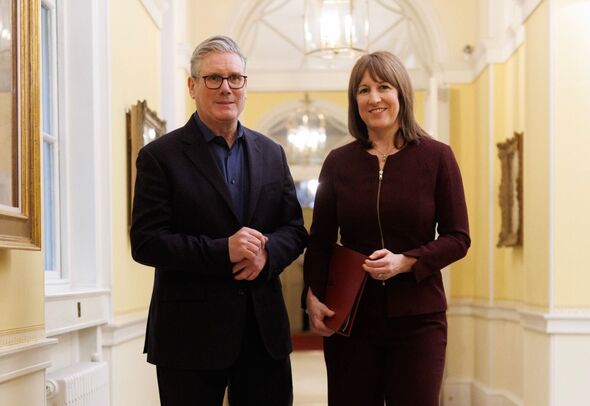
Rachel Reeves, the UK Chancellor, is under significant pressure ahead of the upcoming Budget as she faces warnings regarding proposed changes to pension taxation. Critics assert that any move to implement stealth tax increases could result in severe electoral consequences for the Labour Party. With the Budget scheduled for March 2024, Reeves is expected to announce a two-year freeze on tax thresholds, a measure that could leave pensioners up to £800 poorer annually and potentially subject an additional half a million older adults to income tax.
Many perceive this approach as a betrayal of Labour’s commitments made during the election campaign, particularly their pledge not to raise taxes for working individuals. The anticipated policy has drawn comparisons to last year’s controversial decision to eliminate the winter fuel payment, which left many vulnerable pensioners struggling during the colder months.
Political Ramifications and Public Response
The implications of these potential tax changes have prompted a strong backlash from the opposition. Kemi Badenoch, the leader of the Conservative Party, has sharply criticized Labour’s track record in safeguarding pensioners’ financial security. She stated, “Last year, Rachel Reeves broke her pre-election promise and snatched away the winter fuel allowance, leaving millions of vulnerable pensioners facing an uncertain winter.” Badenoch warned that the current proposal could lead to the taxation of the state pension for the first time, further jeopardizing the financial stability of older citizens.
A petition opposing the planned tax measures has garnered nearly 200,000 signatures, driven by personal stories such as that of Colette Rogers, a 75-year-old widow. Rogers discovered that the combination of her late husband’s state pension and her own exceeded the tax threshold for the first time, resulting in additional financial strain. Critics, including Dennis Reed, director of the Silver Voices campaign for older adults, argue that taxing the state pension undermines the contributions made through National Insurance over a lifetime.
Reed highlighted the potential impact on approximately 13 million older individuals, stating, “Labour seems in denial about the impact of its plans for extending the freeze on thresholds on millions of retirees.” He emphasized the longstanding agreement between the public and the government that contributions would be rewarded with an untaxed state pension.
Future Budget Plans and Economic Strategy
The proposed changes are part of broader discussions regarding fiscal responsibility as Labour grapples with an estimated £25 billion shortfall in the national budget. Chancellor Reeves is exploring various tax adjustments, including smaller levies on sectors such as gambling and luxury items, yet these measures are unlikely to fully address the financial gap.
In her remarks, Reeves has committed to delivering a Budget that will not revert the country to austerity while making necessary economic choices. She stated, “I will take action to help families with the cost of living, cut hospital waiting lists, and push ahead with the biggest drive for growth in a generation.” Specific measures expected to be included are actions to keep prescription costs below £10, freeze rail fares, and increase both the National Minimum Wage and National Living Wage.
As the Budget announcement approaches, the pressure on Reeves and the Labour leadership intensifies. Observers will be closely monitoring the decisions made, particularly regarding the treatment of pensioners and the broader implications for the party’s electoral prospects. The outcome could significantly influence public sentiment and the political landscape leading into future elections.