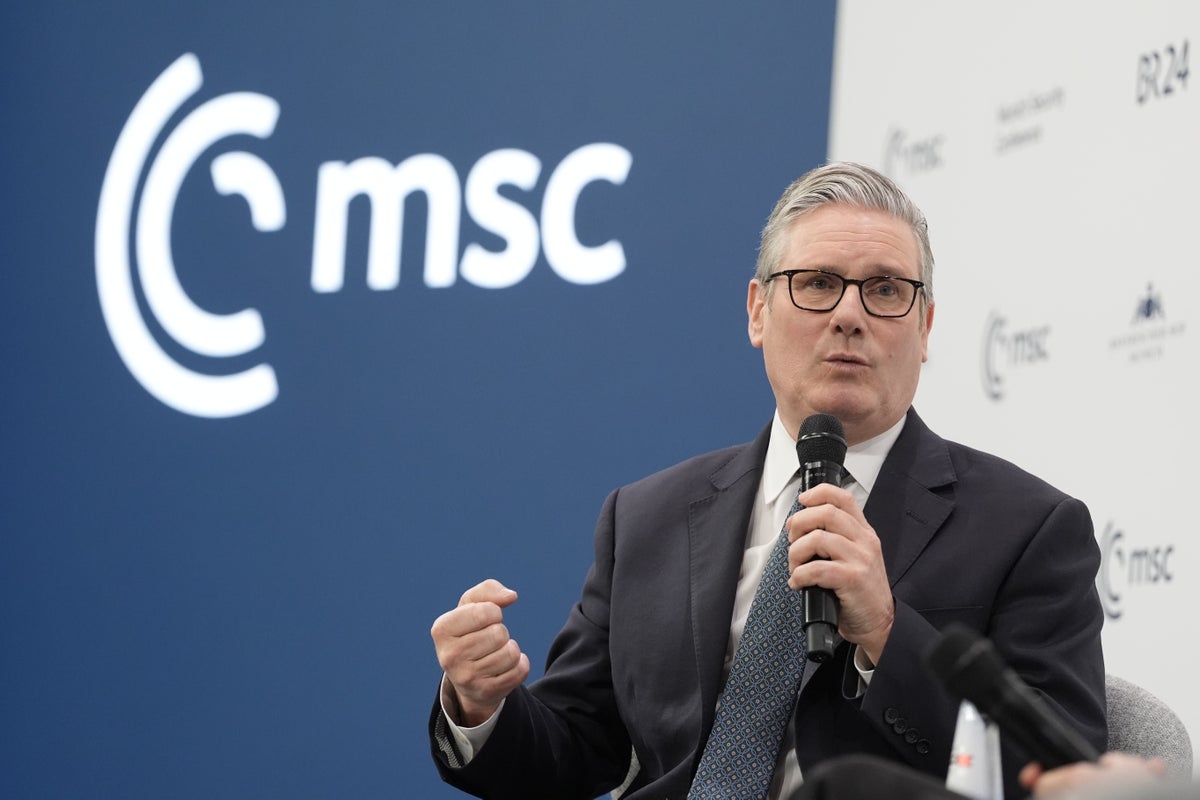
In a significant political development, Keir Starmer, the leader of the Labour Party, is set to address the House of Commons for the first time since Christmas. His appearance at Prime Minister’s Questions (PMQs) comes after he announced a commitment to send British troops to Ukraine in the event of a peace deal, alongside securing assurances from U.S. real estate moguls linked to Donald Trump that the United States will defend Kyiv against potential ceasefire breaches by Russia.
Political Landscape Shifts with U.S. Statements
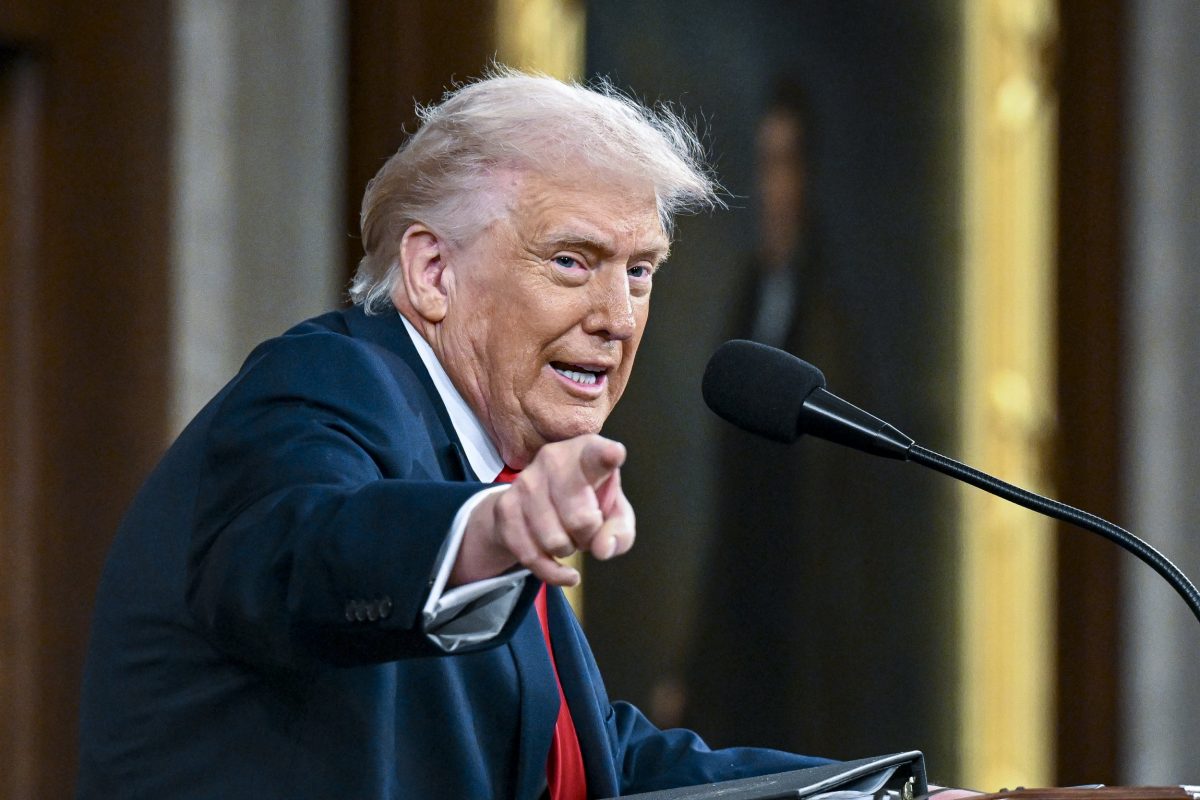
Starmer’s commitments are expected to be scrutinized during PMQs, particularly given the complexity of the current geopolitical climate. The White House recently issued a statement indicating that Trump is still considering various options regarding the future of Greenland, including military action if deemed necessary. This has raised eyebrows among NATO allies, especially following a joint declaration signed by Starmer and Emmanuel Macron, along with five other NATO leaders, urging Trump to refrain from any aggressive moves towards the Danish territory.
The White House’s press secretary, Karoline Leavitt, emphasized that Trump’s administration views “acquiring” Greenland as a national security priority, suggesting that military options are always on the table. This has led to concerns about the implications for NATO unity and the potential impact on international relations.
Starmer’s strategy includes plans for the United Kingdom and France to establish military hubs within Ukraine. This initiative aims to provide support for future operations, should peace negotiations fail. Although the details of the agreement with Ukrainian President Volodymyr Zelenskyy remain confidential, Starmer has indicated that the coalition will work on constructing secure facilities for military assets within Ukraine.
Domestic Reactions and Political Implications
Back in Westminster, the opposition has been vocal about their views on Starmer’s foreign policy stance. Kemi Badenoch, a prominent member of the Conservative Party, often criticizes Starmer for perceived weaknesses in his approach to international affairs. With the recent developments involving Trump, this could provide her with new ammunition for attacks against the Labour leader.
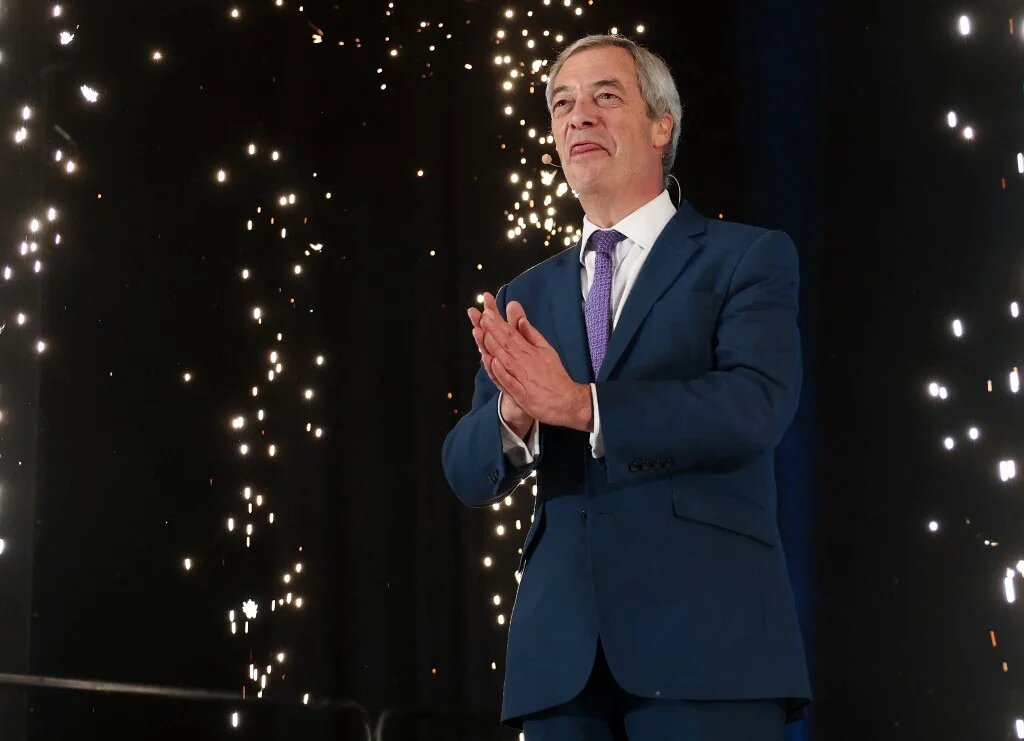
Ed Davey, leader of the Liberal Democrats, also weighed in, urging Starmer to prepare a “plan B” to counter what he termed Trump’s “reckless bullying.” The political landscape is further complicated by comments from public figures like Nigel Farage, who accused Starmer of seeking relevance through his military commitments to Ukraine, suggesting that his actions may be more about political positioning than genuine support for the Ukrainian cause.
The situation remains fluid, especially with reports indicating that U.S. forces may soon target a Russian-flagged oil tanker operating in European waters. This action could escalate tensions further, particularly if it provokes a response from Moscow.
As Starmer prepares for PMQs, the future of Britain’s foreign policy and its military commitments in Ukraine are under intense scrutiny. The decisions made in the coming days could have lasting implications for both domestic politics and international relations in a rapidly changing geopolitical landscape.