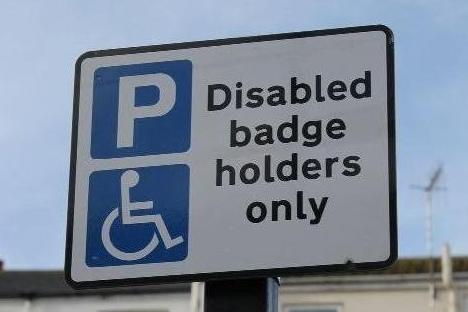
A carer has been fined after using the blue disability badge belonging to an elderly man she previously cared for. The incident highlights the misuse of disabled parking permits, which are intended to assist individuals with mobility challenges.
The woman, whose name has not been disclosed, was caught using the blue badge in a location designated for disabled parking. According to the local authority, the badge was issued exclusively to the elderly man, who has since required alternative care. The fine, amounting to £1,000, emphasizes the seriousness of such misuse and its potential legal consequences.
Details of the Incident
The incident took place in March 2024 and was reported by local officials who monitor the use of disabled parking permits. The carer was seen parking in a disabled space without the elderly man present, prompting an investigation. The council responsible for issuing the badge confirmed that it was only valid when used by the designated individual.
Authorities noted that the misuse of blue badges not only undermines the system designed to assist those with disabilities but also contributes to long waiting times for legitimate users who struggle to find available parking. The local council has expressed a commitment to enforcing regulations surrounding the proper use of these permits.
Legal Implications and Community Response
Legal experts suggest that misuse of a blue badge can lead to significant fines and, in some cases, criminal charges. The carer’s actions have sparked discussion within the community regarding the ethical responsibilities of caregivers. Many residents are calling for stricter regulations and increased surveillance to prevent future incidents.
One local resident commented, “It’s disheartening to see someone take advantage of a system meant to help vulnerable individuals. Everyone deserves access to the resources they need.”
The council is reviewing its policies to enhance monitoring and ensure that blue badges are used appropriately. This incident serves as a reminder of the importance of protecting resources meant for those who genuinely require assistance.