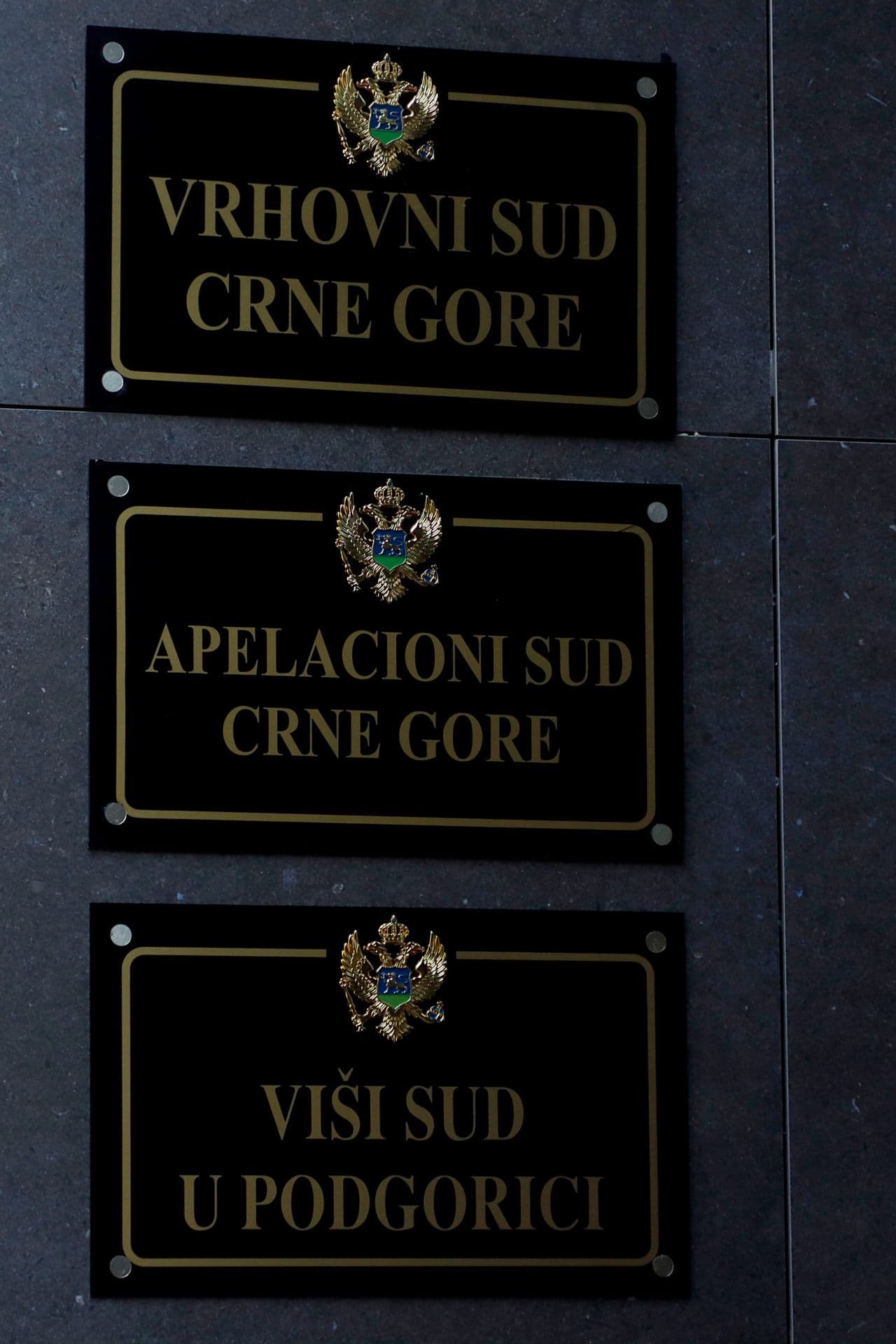
The Appeals Court of Montenegro has upheld a previous ruling that acquitted all defendants in a high-profile case linked to an alleged coup attempt. On December 30, 2025, the court dismissed the appeal from the Special State Prosecutor’s Office (SDT), confirming the earlier judgment made by the Higher Court in Podgorica.
This decision means that the individuals accused in what has been termed the “coup attempt” case will not face any criminal charges. The acquitted defendants include notable figures such as Eduard Shishmakov Vadimovic, Vladimir Popov Nikolajevic, and Bratislav Dikic, among others. They were facing serious allegations, including the formation of a criminal organization and attempted terrorism.
The Higher Court had previously ruled in favor of the defendants, stating that there was insufficient evidence to support the charges brought against them. The Appeals Court’s ruling further solidifies this stance, with judges determining that no substantial procedural violations occurred during the initial trial that could warrant a reversal of the verdict.
According to the Appeals Court, the SDT’s claim that the first-instance verdict resulted from significant procedural errors was unfounded. The court emphasized that all relevant evidence had been duly examined and assessed in the initial proceedings. Thus, the conclusion that the defendants did not commit the alleged crimes was deemed appropriate based on the established factual circumstances.
The SDT had sought to overturn the acquittals on grounds of a significant breach of criminal procedure and misinterpretation of the facts, urging the Appeals Court to order a new trial. However, the court found that the original process was conducted lawfully, which led to its decision to reject the appeal.
This ruling marks a pivotal moment in a case that has captured public attention in Montenegro, reflecting on broader issues of justice and accountability within the nation’s legal framework. The outcome enables the acquitted individuals to move forward without the burden of criminal charges hanging over them.
As the legal proceedings conclude, the implications of this case may resonate throughout Montenegro’s political landscape, raising discussions about state security and the judiciary’s role in addressing alleged threats to national stability.