Indoor laundry drying can be a challenge, especially during winter months. With energy costs rising and many lacking outdoor space, one individual tested five common methods: a tumble dryer, dehumidifier, heated airer, clothes horse, and bathroom extractor fan. The findings revealed that only one method effectively eliminated musty odors.
Testing the Methods
The experiment involved real-life conditions, including winter weather and heavy washes, with items like hoodies and jeans that are notoriously difficult to dry. Each method was evaluated based on drying time, freshness, cost, and the amount of moisture added to the room.
The first method, using the bathroom extractor fan, seemed promising in theory. The idea was to hang clothes in the bathroom and run the fan to reduce humidity. If equipped with a powerful fan, this could keep moisture away from living spaces. Unfortunately, the results were disappointing. The fan in this particular bathroom was inadequate for continuous operation, leading to ineffective drying.
“While the most basic method, it proved to be the least effective at drying clothes,”
the tester reflected, rating it a mere 2 out of 10. The bathroom’s cooler temperatures and limited space further hindered the drying process.
Exploring Other Options
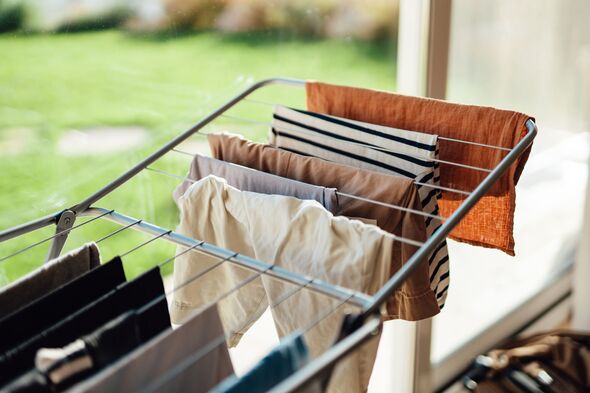
Next was the clothes horse, a budget-friendly option costing around £10. While it requires no electricity, clothes took an excessively long time to dry. Thicker areas remained damp, causing unpleasant odors. The overall score for this method was 3 out of 10, making it the least effective regarding smell.
The heated airer, purchased for £60, promised a faster drying solution. While it outperformed the clothes horse, the tester found that only parts of the clothes dried effectively. The cover designed to retain heat showed minimal impact. Clothes still developed mildew smells, earning this method a score of 4 out of 10.
The dehumidifier emerged as a solid contender, scoring 7 out of 10. It was significantly cheaper to run than a tumble dryer and effectively reduced condensation and mildew. A good-quality model, such as the one from Meaco, made a noticeable difference. However, drying still took one to two days, especially for thicker fabrics, allowing musty smells to develop.
Ultimately, the tumble dryer proved to be the most effective method for drying clothes without unpleasant odors. The tester’s Hotpoint Condenser model completely eliminated musty smells, providing warm, ready-to-wear clothes in a single day. This efficiency is particularly valuable for larger families with frequent laundry needs.
While the tumble dryer is the most expensive option, the convenience it offers makes it worthwhile. The cost of running a tumble dryer is higher than other methods, especially with a condenser model. Regular maintenance, including cleaning filters, is essential for safety and efficiency.
In summary, while multiple indoor drying methods exist, only the tumble dryer consistently delivers fresh-smelling, dry clothes. For those prioritizing efficiency and odor-free laundry, it stands out as the superior option, despite its higher operational costs.